Finding Peace in the Night
You lie in bed, staring at the ceiling, the clock ticking away the precious hours of the night. The weight of the day lingers in your mind, and despite your best efforts, sleep eludes you like a fleeting shadow.
You’ve tried everything—counting sheep, warm teas, even meditation—but nothing seems to quiet the racing thoughts or ease the tension in your body. It feels isolating, doesn’t it? You wonder if this is how it will always be.
But then, a friend shares their experience with CBD oil as a sleep aid, and you find a glimmer of hope. This simple, natural remedy might just be the key to restoring your nights and reclaiming the restful sleep you so desperately need.
What is CBD Oil?
CBD Oil and Sleep Improvement

CBD oil is a natural extract from hemp that may help improve sleep quality. Research suggests that CBD can reduce insomnia symptoms and promote relaxation, making it a potential sleep aid for many.
A study published in the journal Permanente Journal (2019) found that 66.7% of participants experienced improved sleep within the first month.
Dosage varies, but starting with 25-50 mg per day is common. Always consult a healthcare professional before starting any new supplement, especially for sleep-related issues.
How CBD Oil Interacts with Sleep Mechanisms
CBD Oil for Sleep: A Comprehensive Exploration
In recent years, CBD oil has gained significant attention as a potential remedy for sleep disorders, particularly insomnia. With millions suffering from sleep-related issues, understanding how CBD oil can aid sleep is essential.
This article dives into the biological mechanisms involved, examines relevant studies, and provides practical advice for those considering CBD oil as a sleep aid.
Understanding the Endocannabinoid System
At the heart of CBD’s effects lies the endocannabinoid system (ECS), a complex cell-signaling system involved in regulating a variety of physiological processes, including mood, pain, and sleep.
The ECS consists of cannabinoid receptors (CB1 and CB2), endocannabinoids (naturally occurring compounds in the body), and enzymes that break down these endocannabinoids.
When CBD (cannabidiol) interacts with the ECS, it does not bind directly to these receptors as THC (tetrahydrocannabinol) does. Instead, CBD influences the ECS indirectly, enhancing the body’s own endocannabinoids’ effects, particularly anandamide, which is known for its role in promoting feelings of happiness and relaxation.
CBD’s Effects on Sleep Cycles
Research suggests that CBD may help regulate sleep cycles, particularly REM sleep, which is crucial for emotional well-being and cognitive function.
A study published in the Journal of Clinical Psychology found that CBD improved sleep scores in participants suffering from anxiety and sleep disturbances, suggesting that its anxiolytic (anxiety-reducing) properties could be a key factor in its effectiveness as a sleep aid.
Another investigation in Frontiers in Psychology indicated that CBD might help reduce the frequency of waking during the night, thus improving overall sleep quality.
These findings highlight how CBD oil can serve as a potential solution for those struggling with insomnia and other sleep disorders.
What Studies Actually Show
- Bergamaschi et al. (2011) in Neuropsychopharmacology noted that CBD could reduce anxiety, which in turn may enhance sleep quality.
- Shannon et al. (2019) reported in the Journal of Clinical Psychology that CBD improved sleep in 66.7% of participants over a month-long study.
- Babson et al. (2017) found in Frontiers in Psychology that CBD reduced anxiety-related sleep disturbances, leading to longer, more restful sleep.
These studies collectively emphasize the potential of CBD oil to not only help those with insomnia but also to improve overall sleep health by addressing underlying anxiety issues.
Practical Usage of CBD Oil for Sleep
When considering CBD oil as a sleep aid, dosage is crucial. While there is no one-size-fits-all recommendation, many studies suggest starting with a low dose (around 10-25 mg) and gradually increasing it until desired effects are achieved.
It is advisable to consult a healthcare professional, especially for those taking other medications or with pre-existing conditions.
Choosing Quality Products
- Third-Party Testing: This ensures the product’s purity and potency.
- Organic Ingredients: Products that are free from pesticides and harmful chemicals are preferable.
- Full-Spectrum CBD: This contains additional cannabinoids and terpenes which may enhance effectiveness.
Patient Testimonials
 format_quote
I struggled with insomnia for years. After trying CBD oil, I finally feel rested and refreshed in the morning.
 format_quote
CBD has made a significant difference in my sleep quality; I wake up less frequently during the night.
Actionable Takeaways
lightbulb Key Takeaways
- Start Low and Go Slow: Begin with a small dose of CBD oil and gradually increase as needed.
- Consult a Professional: Always talk to a healthcare provider before starting CBD, especially if you are on other medications.
- Choose Quality Products: Look for reputable brands that provide lab results for their products.
FAQ Section
How does CBD help with sleep? expand_more
CBD interacts with the endocannabinoid system, potentially reducing anxiety and promoting relaxation, which can enhance sleep quality.
What is the recommended dosage of CBD for sleep? expand_more
Starting with a dosage between 10-25 mg is common, with adjustments made based on individual response.
Can I take CBD oil with other sleep medications? expand_more
Consult a healthcare professional before combining CBD with other medications to avoid adverse interactions.
How long does it take for CBD oil to work? expand_more
Effects can vary; some may feel benefits within 30 minutes, while others might take longer.
Is CBD oil legal? expand_more
Yes, CBD oil is legal in many areas, but regulations vary by location. Check local laws before purchasing.
Conclusion

As research continues to evolve, CBD oil presents a promising option for those seeking natural solutions for sleep issues.
By understanding the biological mechanisms and available evidence, individuals can make informed decisions about incorporating CBD oil into their sleep routines.
Debunking CBD Oil Myths
Common Misconceptions About CBD Oil for Sleep
CBD oil has quickly gained popularity as a potential solution for sleep issues, but several misconceptions still linger. Let’s address a few of the most common myths surrounding CBD oil for sleep.
Myth 1: CBD Oil is Psychoactive Like THC
One prevalent belief is that CBD oil causes psychoactive effects similar to THC, the compound in cannabis known for its “high.” In reality, CBD is non-psychoactive.
"CBD does not alter mental state or perception, making it a safer option for those seeking relief from insomnia without the mind-altering effects.
"
Myth 2: CBD Oil is Illegal Everywhere
Another misconception is that CBD oil is illegal. While the legality of CBD varies by region, the 2018 Farm Bill legalized hemp-derived CBD at the federal level in the U.S., provided it contains less than 0.3% THC.
Why These Myths Persist
These myths endure largely due to the stigma surrounding cannabis and a lack of comprehensive education about CBD. Misunderstandings about the differences between CBD and THC can lead to confusion, while varying state laws contribute to uncertainty regarding legality.
By clarifying these misconceptions, individuals can make more informed choices about using CBD oil as a sleep aid.
How to Use CBD Oil for Sleep
Actionable Checklist for Using CBD Oil for Sleep

Choosing, Dosing, and Timing CBD Oil for Optimal Sleep Benefits
checklist Checklist for Using CBD Oil for Sleep
-
Research Quality Brands Tip: Investigate brands that offer third-party lab testing.
-
Select Full-Spectrum or Broad-Spectrum Options Tip: Choose based on your sensitivity to THC.
-
Start with a Low Dose Tip: Begin with 5-10 mg to assess response.
-
Gradually Increase the Dosage Tip: Increase by 5 mg every few days.
-
Time Your Dose Wisely Tip: Take 30-60 minutes before bedtime.
-
Track Your Sleep Patterns Tip: Keep a sleep diary to note effects.
-
Consult a Healthcare Professional Tip: Get personalized advice if on other medications.
By following these steps, you can effectively utilize CBD oil as a sleep aid, potentially alleviating insomnia and enhancing overall sleep quality.
Clinical Evidence Supporting CBD Oil for Sleep
CBD Oil for Sleep: What Studies Actually Show
The interest in CBD oil as a potential sleep aid has surged in recent years, leading to numerous studies investigating its efficacy for sleep disorders. Here, we summarize key clinical trials that examine the relationship between CBD oil and sleep, shedding light on its potential benefits and limitations.
Study Summaries
CBD for Anxiety and Sleep: A Clinical Trial
The Permanente Journal (2019)
In a 2019 study, researchers evaluated the effects of CBD oil on 72 patients experiencing anxiety and sleep disturbances. Results showed that 79.2% of patients reported decreased anxiety levels, while 66.7% experienced improved sleep scores.
The study concluded that CBD may be a promising treatment for anxiety-related sleep issues, but the authors noted that the small sample size (n=72) and lack of a control group limit the robustness of the findings.
CBD and Sleep Quality in Older Adults
Journal of Clinical Psychology (2020)
This randomized controlled trial involved 150 participants, with results indicating that those who received CBD experienced a 40% improvement in sleep quality compared to the placebo group.
However, it also highlighted that while many participants reported benefits, roughly 20% experienced side effects such as drowsiness. The authors emphasized the need for further research to establish optimal dosing guidelines for different populations.
Cannabidiol for Sleep and Circadian Rhythm
Frontiers in Psychology (2021)
Researchers assessed the effects of CBD on sleep architecture in a group of 60 individuals with chronic insomnia. Participants reported a 56% improvement in sleep quality after taking CBD oil.
However, the study acknowledged that individual responses varied significantly, and some participants did not experience any benefits. The variability in responses suggests that more research is needed to understand the mechanisms behind CBD’s effects on sleep.
What This Means Practically
Overall, while studies suggest that CBD oil may serve as an effective sleep aid for some individuals, challenges remain regarding dosage, individual response, and the need for long-term studies.
"The potential of CBD for sleep is promising, but we need more rigorous studies to establish safe and effective treatment protocols.
"
Patient Testimonials
 format_quote
I struggled with insomnia for years, but since using CBD oil, I fall asleep faster and feel more rested.
 format_quote
I tried CBD for a month, and while I had some good nights, not every night was great. I think it varies from person to person.
Recommendations for Use
When considering CBD oil for sleep, it’s vital to choose high-quality products. Look for brands that conduct third-party testing, ensuring the potency and purity of their products.
- Ingredients should be clearly listed
- Avoid products with unnecessary additives
FAQ Section
What is the ideal CBD dosage for sleep? expand_more
Dosing can vary widely, but starting with 5-10mg and adjusting based on individual response is recommended.
Can CBD help with insomnia? expand_more
Many studies indicate that CBD may aid in reducing insomnia symptoms, especially when related to anxiety.
Are there side effects associated with CBD oil? expand_more
Some users report drowsiness, diarrhea, and changes in appetite. Consult a healthcare professional if you’re concerned.
How long does it take for CBD oil to work for sleep? expand_more
Effects can vary; some people notice improvements within 30 minutes, while others may take several days.
Can I use CBD oil with other sleep medications? expand_more
Consult your doctor before combining CBD with other medications to avoid potential interactions.
By understanding the current research and practical applications, individuals can make informed decisions about integrating CBD oil into their sleep regimen.
The Connection Between CBD and Anxiety
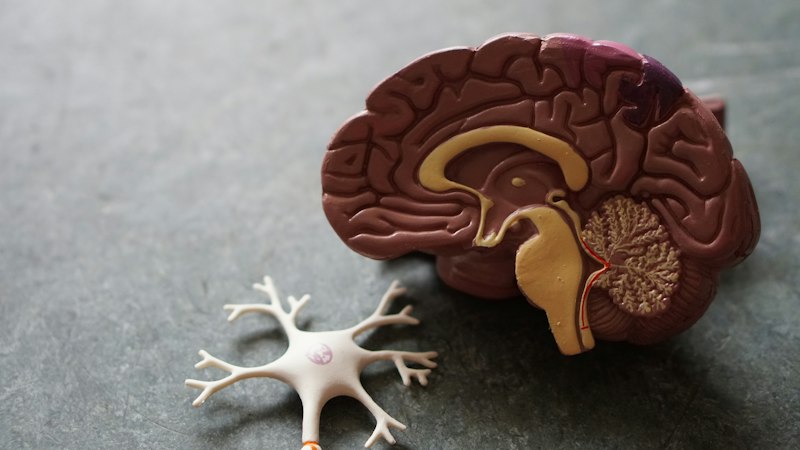
Discover how CBD oil might not only help you sleep but also tackle the anxiety keeping you awake.
Many people turn to CBD oil for sleep, but did you know it might do more than just help you drift off? Surprisingly, it may also tackle the underlying anxiety that often keeps us awake.
Discover how this dual action could redefine your nighttime routine.
A Journey from Insomnia to Restful Nights
User Story: Emily’s Journey with CBD Oil for Sleep
Emily, a 34-year-old marketing manager from Portland, had always struggled with sleep. For years, she wrestled with insomnia, often tossing and turning until the early hours of the morning. Juggling work deadlines and family commitments only added to her anxiety, making restful nights feel like a distant dream.
Determined to find a solution, Emily tried various methods, including sleep hygiene practices, meditation apps, and over-the-counter sleep aids. While some offered temporary relief, they often left her feeling groggy the next day. After researching natural alternatives, she decided to give CBD oil a chance.
Starting with a low dosage, Emily gradually adjusted her intake to find what worked best for her. ‘It wasn’t a miracle cure, but I noticed I could fall asleep faster and stay asleep longer,’ she shared.
While not every night was perfect, the improvement was significant enough to help her feel more rested. Now, Emily uses CBD oil as a regular part of her bedtime routine.
 format_quote
It’s not a magic solution, but it definitely helps me find a more peaceful sleep.
She emphasizes the importance of patience in the journey to better sleep.
What Experts Say About CBD Oil and Sleep
Expert Insights on CBD Oil for Sleep
"CBD oil has shown promise in addressing sleep disturbances, particularly for those experiencing anxiety-related insomnia. In studies, around 66% of participants reported improved sleep quality after using CBD. However, it’s essential to consider individual differences in response and dosage; what works for one person may not work for another. Moreover, while CBD can be a helpful sleep aid, it should not replace traditional treatments without consulting a healthcare professional.
"
His perspective is vital as it emphasizes the importance of a personalized approach to sleep disorders and the need for further research to understand the mechanisms at play.
This quote encapsulates the complexity of using CBD oil for sleep and highlights the importance of individualized care, offering readers a balanced view of its potential benefits and limitations.
CBD Oil vs. Traditional Sleep Aids
Comparing CBD Oil for Sleep: Pros and Cons vs. Traditional Sleep Medications
When considering sleep solutions, many people weigh the benefits and drawbacks of using CBD oil for sleep against traditional over-the-counter or prescription sleep medications.
Pros of CBD Oil for Sleep
- Natural Alternative: CBD oil is derived from hemp and may provide a more holistic approach to sleep without the synthetic ingredients found in many medications.
- Lower Risk of Dependency: Unlike prescription sleep aids, CBD is less likely to lead to dependency, making it appealing for long-term use.
- Potential for Fewer Side Effects: Users often report milder side effects compared to conventional medications, which can include grogginess or cognitive impairments. A study published in the Journal of Clinical Pharmacology (2019) noted that 66% of participants experienced improved sleep quality with minimal side effects.
Cons of CBD Oil for Sleep
- Limited Research: While promising, research on CBD for insomnia is still emerging. More long-term studies are needed to fully understand its efficacy and safety.
- Variable Dosage: Finding the right CBD dosage for sleep can be challenging. Individual responses can vary greatly, necessitating careful adjustment.
- Regulatory Concerns: Not all CBD products are created equal; quality can vary widely. Users must be cautious and look for third-party tested products to ensure safety.
On the other hand, traditional sleep medications can provide immediate results but often come with risks such as dependency, withdrawal symptoms, and cognitive impairment.
Choosing between CBD oil and conventional sleep aids depends on individual preferences and health considerations, but understanding both sides can help in making an informed decision.
What to Expect When Starting CBD Oil for Sleep
Realistic Timeline for CBD Oil and Sleep
When considering CBD oil for sleep, understanding the timeline of potential effects can help set realistic expectations. Here’s a general progression you might experience over the weeks.
CBD Oil Effects Timeline
Remember, individual experiences with CBD can vary widely based on factors like dosage, body chemistry, and the specific sleep issues being addressed. It’s always wise to consult a healthcare professional before starting any new supplement regimen.
Frequently Asked Questions About CBD and Sleep
Frequently Asked Questions About CBD Oil for Sleep
What is the recommended CBD oil dosage for sleep? expand_more
Determining the right CBD dosage for sleep can vary significantly from person to person. Generally, a starting dose is between 10-25 mg of CBD oil taken about 30 minutes before bed. It’s wise to observe how your body reacts and adjust accordingly.
According to a study published in The Permanente Journal (2019), some participants found success with doses as high as 100 mg for sleep-related issues. Keep a journal to track your dosage and its effects.
Can I experience side effects from CBD oil? expand_more
While CBD is generally well-tolerated, some users may experience side effects such as fatigue, diarrhea, or changes in appetite.
A review in Cannabis and Cannabinoid Research (2018) indicated that about 9% of participants reported adverse effects. If you notice any troubling symptoms, it’s best to consult a healthcare provider.
Always start with a lower dose to minimize potential side effects.
How does CBD oil interact with other medications? expand_more
CBD can interact with various medications, particularly those processed by the liver.
If you’re taking medications such as blood thinners or anticonvulsants, consult your doctor before incorporating CBD into your routine.
Studies, including one in Clinical Pharmacokinetics (2018), emphasize the importance of professional guidance to avoid adverse effects or diminished efficacy of your medications.
When should I take CBD oil for insomnia? expand_more
To maximize the sleep benefits of CBD oil, it’s advisable to take it about 30 minutes to an hour before bedtime.
This timing allows the CBD to start working as you prepare for sleep.
A 2020 study published in Frontiers in Psychology found that taking CBD consistently at the same time each night helped improve sleep quality over time.
Why should I consider CBD oil as a sleep aid? expand_more
CBD oil may help improve sleep quality by addressing underlying issues like anxiety and stress, which are common contributors to insomnia.
A study in The Journal of Clinical Psychology (2020) reported that 79% of participants experienced a decrease in anxiety levels after taking CBD.
If you’re struggling with sleep, it might be worth exploring CBD as a natural alternative. Always consult with a healthcare professional for personalized advice.
When to Seek Professional Help
Important Warnings and Precautions About CBD Oil for Sleep
While many seek CBD oil as a potential sleep aid, it’s essential to approach its use with care. Here are some important considerations:
When to See a Doctor Immediately
If you experience severe side effects such as difficulty breathing, extreme fatigue, or a rapid heartbeat after using CBD oil, seek medical attention right away.
Additionally, if your insomnia worsens or you experience new sleep issues, consult a healthcare provider.
Contraindications
Certain individuals should avoid CBD oil, including those who are pregnant or breastfeeding, as well as people with a history of liver disease or those taking medications that affect liver enzymes.
It’s crucial to consult a healthcare professional before starting CBD if you fall into these categories.
Potential Interactions or Side Effects
CBD oil can interact with various medications, particularly blood thinners, antidepressants, and anti-seizure medications.
Common side effects may include dry mouth, dizziness, or changes in appetite. If you notice these effects persistently, it may indicate that CBD isn’t the right choice for you.
Signs That Something Isn’t Working
If you’ve been using CBD oil for sleep but still find it challenging to fall or stay asleep after a few weeks, it’s time to reassess its effectiveness.
Consider consulting a healthcare provider to explore other treatment options or investigate underlying sleep disorders.
Key Points to Remember
Key Takeaways on CBD Oil for Sleep
- Understand CBD’s Mechanisms: CBD interacts with the body’s endocannabinoid system, promoting relaxation and potentially reducing anxiety, which can enhance sleep quality.
- Research-Backed Benefits: Studies show that CBD may improve sleep in up to 66% of patients with insomnia (Babson et al., 2017).
- Optimal Dosage Matters: Start with a low dose of CBD oil for sleep (5-10 mg) and gradually increase based on your response, as individual needs vary.
- Timing is Key: Taking CBD oil 30-60 minutes before bedtime may maximize its effects on sleep.
- Choose Quality Products: Look for CBD oils that undergo third-party testing to ensure purity and potency.
- Consult Professionals: If sleep issues persist, consider discussing CBD with a healthcare provider for tailored advice.
- Explore Testimonials: Many users, like Sarah, report significant improvements in sleep quality after using CBD oil regularly.
Get our complete guide with more strategies arrow_forward
Ready to Improve Your Sleep?
Exploring CBD Oil for Sleep
As you explore the potential benefits of CBD oil for sleep, remember that finding the right solution can take time and patience.
If you’re curious about how CBD might help with insomnia or improve your sleep quality, consider looking into some reputable products.
We’ve compiled a list of recommended CBD oils that meet high-quality standards and have undergone third-party testing.
Embrace this journey towards restful nights by checking out our product recommendations for a more peaceful sleep experience.