


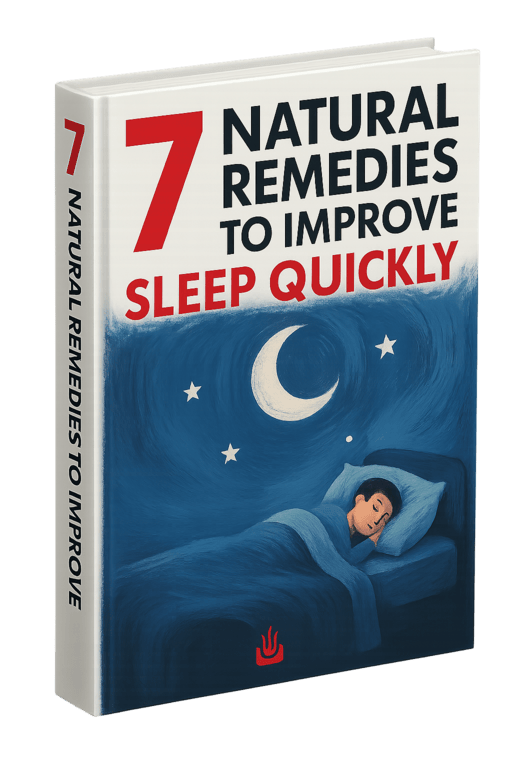

Natural Best Non Addictive Sleep Aid Recommendations
Introduction to the Best Non Addictive Sleep Aid Options
In today’s hectic world, getting a good night’s sleep can feel like chasing a unicorn. With so many of us battling insomnia and disrupted rest, people are turning their eyes toward natural, non addictive alternatives. In this conversation, we’re exploring some top contenders in the realm of natural sleep aids—a way to enjoy sweet dreams without the worry of dependency. Drawing from trusted research, hands-on clinical experience, and real-life stories, this piece is here to guide you toward smarter sleep choices.
Understanding the Need for Natural Sleep Aids
Life’s daily grind is full of stressors that make unwinding at bedtime a real challenge. More and more, folks are realizing that synthetic medications often come with unwanted baggage like side effects or dependency risks. That’s why natural sleep aids, working in harmony with your body’s innate sleep processes, are becoming so popular. They offer a gentle nudge toward relaxation without messing with your overall well‐being—a trend that mirrors the wider move toward holistic healthcare and safer, more organic remedies.
Overview of Best Non Addictive Sleep Aid Ingredients
When it comes to crafting truly effective sleep aids, nature certainly doesn’t disappoint. Many of the best options use a mix of herbal extracts like valerian root, chamomile, and magnolia bark, each with a storied past and plenty of science to back up their calming powers. These ingredients don’t just serve as substitutes for synthetic chemicals—they work together to boost your body’s natural sleep rhythms. As we dig into each ingredient, you’ll see how natural solutions can be a powerful ally in your quest for deep, restorative sleep.
Recognizing the Shift Away from Addictive Sleep Medications
In recent years, folks have been making a clear break from sleep medications that risk addiction. Complaints about morning grogginess, escalating doses, and dependency have pushed both patients and doctors to search for safer alternatives. This change in perspective has sparked a resurgence in natural sleep aids designed to support your body’s needs over the long haul. With more people educated and informed about their choices, the demand for evidence-based natural therapies is only growing. It’s a market that’s really responding to the call for innovation without compromising on safety.
Why Choose the Best Non Addictive Sleep Aid for Better Sleep
Choosing a top non addictive sleep aid isn’t just about nodding off—it’s about transforming your overall sleep quality. Many users find that these natural options don’t just help them fall asleep; they also lead to better concentration, lower anxiety, and a more upbeat mood during the day. Unlike synthetic drugs that can leave you feeling foggy, natural remedies encourage a smooth, gentle transition into a restful night. They work by harmonizing with your body’s internal rhythms and supporting a balanced endocrine system, meaning you can foster healthier sleep patterns without compromising your long-term health.
Benefits of Natural Ingredients Over Synthetic Options
Natural ingredients tend to work hand in hand with your body’s own systems, easing you into relaxation without heavy sedation. On the flip side, synthetic sleep aids may lead to dependency and other side effects that can throw off your entire well‐being. Using ingredients that nature has provided for centuries not only minimizes risks but also builds a more trusting, gradual adjustment process. Plus, these botanical components generally have fewer side effects and mix well with other natural supplements—making them ideal for a long-term sleep solution.
How Non Addictive Aids Enhance Sleep Quality
What’s really cool about non addictive sleep aids is how effectively they promote deep, uninterrupted sleep. Users often rave that these natural compounds don’t just kick in to put you to sleep; they also help maintain stable sleep throughout the night. By improving your sleep cycles—boosting REM phases and overall sleep efficiency—these aids contribute to sharper cognitive function, a stronger immune system, and better moods. In the morning, you might just find yourself waking up feeling more refreshed and mentally clear.
Long-Term Health Implications of Natural vs. Addictive Sleep Solutions
When you stack up natural sleep aids against their addictive counterparts, the benefits over the long term are pretty clear. Prescription sleep medications might work quickly, but they can mess with your natural sleep cycle and leave you dependent on them. Natural sleep aids, however, tend to vibe with your circadian rhythm, paving the way for a balanced and sustainable sleeping pattern. Over time, choosing these non addictive solutions can reduce the risk of long-term dependency while supporting your overall neurological health.
Mechanisms Behind the Best Non Addictive Sleep Aid
Taking a closer look at how natural sleep solutions work reveals a fascinating dance between herbal compounds and your brain’s biochemistry. Many of these ingredients act as mild sedatives, gently coaxing your body into a state of calm. They do this by interacting with neurotransmitters and hormones that govern sleep, making them a perfect match for your body’s innate sleep-promoting machinery. The science behind these remedies isn’t just interesting—it’s a reminder that nature has always had our back when it comes to safe and effective sleep support.
How Natural Ingredients Influence Sleep Cycles
The subtle power of natural ingredients lies in their ability to adjust your sleep cycle without forcing a drastic change. Instead of abruptly inducing sleep, they help nudge your brain through its natural sleep stages, easing you into deep and REM sleep phases gradually. Take valerian root, for example—it’s known for calming hyperactive brain activity, which in turn helps lower stress hormone levels. This gradual transition supports a reset of your body’s internal clock, ensuring that your sleep is as natural and restorative as possible.
Role of Neurotransmitters and Hormones in Inducing Sleep
A key piece of the sleep puzzle is how natural sleep aids interact with neurotransmitters and hormones like GABA and melatonin, which signal your brain to ease into restful sleep. Herbal extras such as chamomile can affect these chemical messengers, promoting a lingering sense of calm that helps you wind down. This blend of traditional wisdom and modern science proves that incorporating naturally derived ingredients into your sleep regimen can lead to better, more balanced sleep patterns.
The Science of Herbal Extracts and Their Sedative Properties
Many cultures have counted on herbal extracts for their sedative powers for centuries, and modern research confirms their benefits. Take magnolia bark, for instance—it has been studied for its ability to lower anxiety by regulating stress hormones. This evidence underscores the idea that these herbal solutions can serve as powerful sleep aids, either on their own or combined with other natural remedies. Of course, everyone’s body is a little different, so considering your own health needs while integrating these ingredients is always a smart move.
Top Natural Ingredients in the Best Non Addictive Sleep Aid
Not every natural ingredient is the same; some have stood the test of time with heaps of research backing their benefits. Among the star players, valerian root, chamomile, and magnolia bark are the go-to choices for many. Each of these ingredients brings something unique to the table, from helping you drift off to ensuring a night of quality, uninterrupted sleep. When you get to know the roles these herbs play, it becomes easier to tailor your sleep routine in a way that respects both your body’s needs and trusted scientific insights.
Valerian Root: Tradition and Efficacy
Valerian root has a long history as a calming herb and is prized for its ability to ease tension and encourage sleep. Modern studies show that the compounds in valerian work by interacting with GABA receptors in your brain, slowing down overactive neural activity so that sleep comes more naturally. Many who add valerian to their nightly regimen notice that it helps them sleep soundly without the morning-after grogginess that sometimes comes with synthetic aids. It’s a perfect blend of old-school tradition and modern research-backed science.
Chamomile: Calmness in a Cup
Chamomile isn’t just the star of a soothing bedtime tea—it’s also a remarkable natural sleep aid. Known for its light sedative effect, chamomile works by soothing your nervous system, easing your mind into relaxation. A warm cup of chamomile tea before bed can be a delightful ritual that signals it’s time to slow down. Studies have shown that chamomile’s active compounds can help lessen the symptoms of insomnia, making it a favorite among those seeking non addictive ways to enhance sleep.
Magnolia Bark: A Natural Calming Remedy
Magnolia bark brings a unique twist to natural sleep aids by blending traditional Eastern medicine knowledge with modern research. It’s renowned for reducing stress and anxiety, working by balancing the body’s stress response to set the stage for better sleep. Many people find that adding magnolia bark to their nightly routine helps them feel more relaxed and secure as they drift off. For anyone after a natural solution that supports emotional balance and deep rest, magnolia bark is a fantastic addition.
How to Integrate the Best Non Addictive Sleep Aid Into Your Routine
Making natural sleep aids work for you is all about building a consistent, mindful routine. It’s more than popping a supplement—it’s about creating an environment where your body is primed for relaxation and rest. Think of it like setting up a pre-bedtime ritual: combining the right dosage with relaxation techniques, and even tweaking your daily habits, can make a big difference. Reducing screen time, sticking to a regular bedtime, and winding down with calming activities can turn your evenings into a rejuvenating wind-down session that works hand in hand with your natural sleep aid.
Recommended Dosages and Timing for Optimal Sleep
When it comes to natural sleep supplements, the right dosage and timing can really make or break your night. Factors like age, weight, and overall health all come into play here. Most experts say that taking your supplement 30 to 60 minutes before bed can give it just the right kick. Of course, everyone’s different—starting with a low dose and gradually adjusting based on how you feel is usually the best approach. This methodical, mindful process helps ensure that your sleep aid meshes perfectly with your natural sleep system, minimizing any unwanted side effects.
Combining Sleep Aids with Healthy Sleep Habits
Getting the best sleep isn’t just about the supplement—it’s about the whole picture. Incorporating natural sleep aids into a routine that includes good sleep habits can really enhance their benefits. Consider carving out a bedtime ritual: reading a book, sipping a calming cup of chamomile tea, or doing some light stretching. Avoiding screens and cutting back on caffeine in the evening can also amplify the effects of your natural sleep aid. Together, these practices build a serene and predictable environment, signaling to your body that it’s finally time to rest.
Monitoring Your Sleep Patterns and Adjusting Use
Keeping an eye on how you sleep can be particularly helpful when using natural sleep aids. Simple tools—like a sleep diary or a wearable tracker—can give you insights into how long it takes to fall asleep, how many times you wake up at night, or how refreshed you feel in the morning. By observing these patterns, you can make small tweaks to your dosage or timing. This proactive approach helps tailor your sleep regimen to match your body’s unique rhythm, leading to a more resilient and balanced sleep cycle over time.
Potential Considerations When Using the Best Non Addictive Sleep Aid
Although natural sleep aids are celebrated for their safety and gentle effectiveness, it’s still important to approach them with a dose of mindfulness. Some folks might experience very mild side effects or notice that certain ingredients don’t sit well with their unique body chemistry. Just like with any supplement, it’s smart to start slow and pay attention to how your body reacts. A cautious, observant approach is key to enjoying the benefits of these natural remedies without any unexpected surprises.
Possible Mild Side Effects to Watch For
While serious side effects are rare, some people might notice a few minor issues when they first start using natural sleep aids. You might experience a bit of daytime drowsiness, a slight stomach upset, or even a light headache as your body adjusts. These reactions are typically mild and tend to fade as your system gets used to the ingredients. If you do notice persistent discomfort, it might be worth reassessing your dosage or talking to a health professional for personalized guidance.
When to Consult a Healthcare Professional
Even though natural sleep aids are generally safe, there are times when checking in with a healthcare professional is a good idea. If you find that sleep disturbances persist or that side effects begin to interfere with your daily life, professional advice can be invaluable. And if you’re pregnant, nursing, or have chronic health concerns, getting expert input will help ensure that your natural remedy won’t clash with any ongoing treatments or medications.
Interactions With Other Natural Supplements
Combining various natural supplements can sound appealing, but it’s important to be cautious about how they might interact. Even though they’re all natural, their biochemical effects can sometimes overlap in unexpected ways. Before mixing different sleep aids or other herbal supplements, it pays to check ingredient lists, do a bit of research, or chat with a trusted health expert. This extra step helps keep your approach holistic and ensures you enjoy the best, healthiest sleep possible.

What’s the Best Non Addictive Sleep Aid? Experts Reveal Their Favorites
Introduction: Discovering the Best Non-Addictive Sleep Aid for a Restful Night
In our whirlwind world, catching a good night’s sleep has become something like finding buried treasure. We’re all on the lookout for a dependable solution that eases our minds into slumber without the fear of getting hooked. As more of us become conscious of maintaining long-term wellness and respecting our natural sleep rhythms, traditional, habit-forming sleep meds are gradually being pushed aside. Nowadays, it’s not about a magic fix—it’s about nurturing a deep, restorative sleep cycle that lasts. This shift in focus really highlights a refreshing change in how we approach rest and recovery.
With conversations increasingly centered on holistic health, it’s no wonder that more people are seeking out alternatives that steer clear of dependency. So, what exactly makes something the best non-addictive sleep aid? The secret lies in gently coaxing your body into its natural cycle without creating a reliance. Whether you’re struggling with the occasional sleepless night or hoping to overhaul your sleep altogether, understanding these options might just open the door to a healthier lifestyle.
Imagine a nightly routine that boosts your overall health, brightens your mood, and gives you a burst of productivity the next day. Picture drifting off as natural soundscapes or soothing herbal blends help calm both your mind and body. The true non-addictive sleep aid works in harmony with your natural rhythms—no harmful side effects, no habit-forming risks. Stick around as we dive into expert insights and practical tips that could completely transform your rest.
Understanding Sleep Aids: Myths and Facts Behind the Best Non-Addictive Sleep Aid
There’s a fair share of tall tales about sleep aids, especially those touted as non-addictive. Some folks worry that any sleep helper is bound to create a dependency or that “natural” simply means less effective compared to synthetic alternatives. Truth be told, recent research is turning these ideas on their head. Studies show that non-addictive sleep aids—be they herbal supplements or alternative therapies—can genuinely boost sleep quality without trapping you in a cycle of dependency.
We’ve long heard the myth that “natural” equals less potent, but modern research is proving otherwise. Many herbal remedies pack specific compounds that play beautifully with your body’s sleep mechanisms. Take certain herbal extracts that interact with your GABA system, for instance—they help calm overly active brain circuits. This ongoing research is carving exciting new pathways for safe, long-term sleep solutions.
When professionals look at the best non-addictive sleep aids, they appreciate those that harness nature’s bounty while upholding rigorous safety standards. Experts in sleep medicine often suggest exploring natural remedies and lifestyle shifts before diving into commercial sleep aids. By debunking myths and focusing on the solid science behind these options, we can make well-informed choices that are based on facts and not mere fads.
Natural Supplements: Expert-Recommended Best Non-Addictive Sleep Aid Options
When it comes to natural supplements, time-tested options like chamomile, valerian root, and passionflower often steal the spotlight. These herbal heroes are celebrated for their gentle, sedative effects—perfect for putting worry at bay on long, stressful nights. Their naturally soothing properties help support your body’s ability to relax and maintain healthy sleep cycles, earning them high praise from experts who recognize them as top non-addictive sleep aid choices.
That said, it’s crucial to get the dosage right. While these remedies have been used safely for centuries, they do require some thought regarding how much to take, potential interactions with other medications, and individual body responses. Experts generally recommend starting low and watching how your body reacts before making any adjustments. With the proper guidance, these natural aids can seamlessly become a part of an effective, balanced sleep routine.
Lifestyle Adjustments: Complementing the Best Non-Addictive Sleep Aid Approach
Beyond supplements, small lifestyle tweaks can go a long way in improving sleep quality. Simple habits like sticking to a regular sleep schedule, creating a calming pre-bedtime routine, and keeping screens at bay make a huge difference. A dark, cool, and quiet room is the perfect setting for a peaceful night’s sleep. These practices dovetail beautifully with non-addictive sleep aids, working together to help you achieve genuinely restorative rest.
The benefits stretch beyond just physical health too—a solid sleep routine can significantly improve mental clarity and emotional wellbeing. Whether it’s progressive muscle relaxation, meditation, or just some deep, mindful breathing, these techniques can serve as the perfect prelude to a serene night. Even jotting down your thoughts before bed can help clear any lingering worries. Combined with trusted sleep aids, these lifestyle adjustments nurture a multi-faceted approach to better sleep.
Consistency is key. Establishing a regular sleep routine along with a supportive sleep environment can truly transform your nights. When you blend these smart daily habits with a reputable non-addictive sleep aid, you’re setting yourself up for long-term success—merging sound science with practical, everyday changes.
Over-the-Counter Alternatives: Choosing the Best Non-Addictive Sleep Aid Products
For many, over-the-counter (OTC) sleep aids are a convenient go-to strategy. These products—often hailed as some of the best non-addictive options—typically feature ingredients like melatonin, magnesium, and herbal extracts known for their calming benefits. They’re designed with safety in mind, easing you into sleep without setting the stage for dependency. Just be sure to read the labels and understand how each ingredient plays its part.
Knowing what’s in your sleep aid is key. Melatonin, for example, signals your body that it’s time to wind down, while magnesium helps relax muscles and nerves. Many users have found that a mix of these natural components offers a well-rounded boost to sleep quality. The absence of harsh chemicals or any reliance on quick fixes is what makes these OTC options stand out as effective, non-addictive sleep aids.
Finding the right product for you might take a bit of trial and error, and sometimes a chat with a healthcare professional. In a market overflowing with choices, focusing on quality and transparent labeling is essential. Starting with a lower dose and gradually adjusting allows you to gauge your body’s response while keeping an eye out for any possible side effects or interactions with other medications. A cautious approach ensures your sleep aid is both safe and effective.
Prescription and Professional Guidance: Aligning with the Best Non-Addictive Sleep Aid Strategy
While natural and OTC sleep aids are riding high in popularity, there are times when prescription options might be your best bet—especially if sleep issues run deep or are tied to other health conditions. Consulting a healthcare professional can bring tailored insights, helping determine if a prescription, non-addictive option might be necessary for your unique situation. Their guidance in tailoring a sleep plan that balances both effectiveness and long-term safety is invaluable.
Regular monitoring and open dialogue with your doctor are key parts of any effective sleep strategy. Even if you’re opting for natural or OTC aids, professional oversight is a smart move, particularly if sleep disturbances keep popping up. Doctors may suggest periodic reviews of your sleep patterns and overall mood to ensure that your routine is on track. This collaborative approach blends modern medical wisdom with natural remedies, ensuring you get the most out of your sleep aid without risking dependency.
Ultimately, balancing effectiveness with a non-addictive approach is an art that often benefits from professional support. Merging lifestyle changes, medical guidance, and when needed, prescription aids into a cohesive plan is the best route to sustainable, quality sleep. Working hand-in-hand with your healthcare provider lays the foundation for lingering improvements in your sleep health.
Conclusion: Embracing Expert Favorites for the Best Non-Addictive Sleep Aid
Navigating the ever-changing landscape of sleep aids reveals that the true secret is balance and thoughtful choices. The best non-addictive sleep aid isn’t about leaning solely on medications—it’s about blending robust scientific research, expert advice, and simple lifestyle tweaks. Along this journey, we’ve debunked myths, explored the science behind natural formulations, and weighed OTC and prescription options in the pursuit of genuinely restorative sleep.
True progress in sleep begins when you support your body’s natural rhythms. Whether it’s integrating herbal supplements like chamomile

Your Complete List of the Best Non Addictive Sleep Aids for a Restful Night
Your Go-To Guide for the Best Non-Addictive Sleep Aids for a Restful Night
Meet Your New Favorite Non-Addictive Sleep Aid
In today’s non-stop world, catching a good night’s sleep can feel almost impossible—even though we all know how important it is. More and more people are discovering that sleep is the secret ingredient to overall wellness, and they’re on the lookout for reliable, non-addictive ways to get the rest they deserve. In this article, we’re diving into some of the top non-addictive sleep aid options on the market today. We’ll explore everything from natural remedies to over-the-counter solutions, so you can decide what’s best for you. Whether stress or a noisy environment is robbing you of sleep, we’re here with trusted tips and expert advice. Let’s see what makes these non-addictive sleep aids so different from other options, and why so many folks are turning to them for a good night’s rest.
So, What Exactly Are Non-Addictive Sleep Aids?
Simply put, non-addictive sleep aids are all about easing you into sleep naturally without the worry of becoming dependent on them. They’re crafted to work with your body’s own rhythms, helping you stay on track with a natural sleep cycle and offering relief from minor sleep disturbances. Unlike some prescription medications that come with a laundry list of side effects, these aids tend to be gentler—they often feature natural herbs and vitamins that calm the mind and relieve stress. Typically, they’re best used for occasional sleep hiccups, making them a great pick for those reluctant to plunge into long-term medication use. This makes them particularly appealing to anyone who struggles with a bit of insomnia or an off-beat sleep cycle now and then.
Why Choose a Non-Addictive Sleep Aid?
Picking a non-addictive sleep aid is like choosing to care for your long-term health while still addressing those pesky sleepless nights. The big win here is the lower risk of building a tolerance or dependency over time. You get to enjoy a smoother transition to sleep without worrying about the side effects that might throw off your daily routine. With a myriad of natural and over-the-counter products at your fingertips, you can experiment and pick out the sleep aid that fits you just right. Many users love these natural options because they offer a way to take control of their sleep habits in a safe, balanced way.
The Rising Popularity of Safer Sleep Solutions
Lately, there’s been a noticeable buzz around safer sleep solutions. And it’s no wonder—people are more aware than ever of the unwanted side effects that often come with prescription sleep aids. Both consumers and health professionals are looking for alternatives that promise a good night’s sleep without any nasty surprises. As more folks turn to natural, holistic approaches for sleep issues, the market has exploded with a variety of non-addictive options designed to meet different needs. This surge in demand is fueling more research and innovation, which means you have an ever-growing selection of products that prioritize both safety and performance.
Understanding Sleep and the Perks of Non-Addictive Aids
The Science Behind Sleep and Its Impact on Health
Sleep isn’t just a time-out—it’s a complex process that plays a vital role in how your brain works, your body heals, and your emotions stay in check. A solid night’s sleep boosts brain function, keeps your mood balanced, and is key to recovery and growth. Research even shows that even minor sleep interruptions can throw off your immune system and metabolism. That’s why choosing the best non-addictive sleep aid is a smart play, not just for immediate rest but for your long-term well-being. In our modern, always-on lifestyle, understanding how sleep works is crucial for finding a solution that really makes a difference.
How Do These Sleep Aids Work Without Creating Dependency?
What’s fascinating about non-addictive sleep aids is that they help nudge your body into relaxation rather than shutting off your brain. Many of these products feature ingredients like valerian root, chamomile, or magnesium—substances known for their calming properties. They help encourage your body to naturally produce melatonin, the hormone that signals it’s time to wind down. Because they’re designed for short-term relief, these aids avoid the risk of your body getting too used to them, keeping your natural sleep cues intact.
Spotting the Signs of Poor Sleep
Sometimes, you might not even realize that your sleep habits need a little help. Daytime sleepiness, feeling cranky, or struggling to concentrate are all telltale signs that your sleep game might be off. Relying too much on caffeine, fiddling with electronics before bed, or having a very irregular sleep schedule can also be red flags. Keeping an eye on these signals can let you know when it’s time to consider a non-addictive sleep aid. Many people find it useful to maintain a sleep journal—it’s a simple way to track patterns and pinpoint which lifestyle habits might be sabotaging a good night’s sleep.
Natural Remedies: Your Best Non-Addictive Sleep Aid Options
Herbal Supplements and Their Impact on Sleep Quality
Herbal supplements have a long-standing reputation for their gentle touch and natural origins. Ingredients like passionflower, lavender, and lemon balm are celebrated as effective non-addictive sleep aids. These botanicals help melt away tension and ease your mind, paving the way for a more peaceful transition to sleep. Backed by clinical studies, they’re increasingly becoming a favorite for those who want to avoid the harsh side effects of some medications. Adding herbal supplements to your nightly routine could be the key to boosting your sleep quality.
Using Food to Enhance Your Sleep Naturally
It turns out that what you eat during the day can have a big impact on how well you sleep at night. Certain foods—that are rich in magnesium and tryptophan, like leafy greens, nuts, and seeds—can actually help your body gear up for sleep. A well-balanced mix of carbohydrates and proteins can also trigger the release of serotonin, a neurotransmitter that sets the stage for restful slumber. Tweaking your diet might just complement the benefits of a good non-addictive sleep aid, offering a more holistic defense against sleepless nights. Keeping a regular meal schedule and avoiding heavy, spicy meals before bed can create an ideal environment for more natural, restorative sleep.
Natural vs. Prescription Sleep Aids: What’s the Difference?
When you compare natural sleep aids with prescription options, it often comes down to weighing a few key pros and cons. Natural remedies tend to come with fewer side effects and a lower risk of dependency, as they work with your body’s own sleep processes rather than pushing you into deep sleep quickly. Prescription medications might be necessary for some conditions, but many find that natural remedies offer a gentler, more sustainable solution for maintaining a steady sleep pattern. This side-by-side look really shines a light on why a natural approach is recommended for those planning on a long-term path to better sleep.
Exploring Over-the-Counter Options for Non-Addictive Sleep Aids
Breaking Down OTC Sleep Aids and Their Key Ingredients
Over-the-counter sleep aids offer a convenient fix when you’re battling the occasional sleepless night. Easily available at pharmacies and many health stores, these products provide mild relief without the deeper interventions that often come with prescription drugs. Checking the label is crucial—many OTC options include melatonin, herbal extracts, or vitamins that encourage relaxation in a natural way. Taking the time to understand the ingredients can help you pick a product that aligns with your health goals and daily habits.
Weighing the Safety and Effectiveness of Non-Addictive Sleep Aids
One of the biggest draws of non-addictive sleep aids is their safety profile. They’ve earned a good reputation because they help manage sleep disturbances without many of the drawbacks seen with heavier medications. Ingredients like melatonin and chamomile have shown they can work effectively without leaving you feeling groggy or overly sedated the next morning. Even so, it’s best to stick to the recommended usage, since even natural remedies can sometimes stir up unexpected interactions with other medications. Overall, the balance of safety and gentle effectiveness makes OTC sleep aids a compelling choice for many.
Lifestyle Tweaks That Complement Non-Addictive Sleep Aids
Optimizing Sleep Hygiene and Your Sleeping Environment
Even the best sleep aid can only do so much if you’re not setting the stage for a good night’s sleep. Simple adjustments—like cozy sleepwear, a darkened room, and keeping noisy distractions at bay—can make a world of difference. Establishing a consistent bedtime ritual tells your brain that it’s time to wind down. Even if you’re popping your favorite non-addictive sleep aid, fine-tuning your sleep environment and habits can significantly boost its effect.
Embracing Stress Management for Deeper Sleep
Let’s face it: stress is one of the worst enemies of sleep. Incorporating stress-busting techniques such as deep breathing, meditation, or a bit of gentle yoga before bed can really set the mood for a calm, uninterrupted night. These practices not only help you relax but also work hand-in-hand with non-addictive sleep aids to create a dual strategy for better rest. In today’s high-pressure world, carving out moments for relaxation is essential, and combining these methods with natural sleep aids can really elevate your overall well-being.
How Exercise and Diet Can Boost Your Sleep Quality
It turns out that keeping active and eating right can have a big impact on your sleep. Regular exercise helps set your internal clock and reduce anxiety, which naturally supports a deeper sleep. Just be sure to schedule your workouts wisely—earlier in the day works best so that your body isn’t too wound up come bedtime. In tandem, a balanced diet that includes plenty of hydrating fluids and nutrient-rich foods can set the stage for a nightly routine backed by your chosen sleep aid. When exercise and diet complement your nighttime habits, you’re forging a well-rounded path to restorative sleep.
Guidance From the Pros on Using Non-Addictive Sleep Aids
Chatting with Healthcare Professionals About Your Sleep Needs
No matter how promising a sleep aid might seem, it’s always smart to check in with a healthcare professional before making it a part of your routine. Doctors and sleep specialists can offer personalized advice on what ingredients or products might work best for you, especially if you’re juggling other health conditions or medications. Taking this professional insight on board ensures that you’re using a non-addictive sleep aid safely and effectively, setting you up for long-term sleep success.
Nailing the Right Dosage and Timing
When it comes to non-addictive sleep aids, getting the dose and timing right makes all the difference. Generally, starting with a lower dose and slowly adjusting as needed is a wise approach. Timing is key—taking your sleep aid too early or too late can throw off your natural sleep cycle. For example, ingredients like melatonin have an ideal window in the early evening to signal that it’s time to prepare for sleep. Tying your dosage into your regular bedtime routines helps maximize the benefits and supports a more natural, robust sleep pattern.
Clearing Up Common Myths and Misunderstandings
It’s not unusual to have concerns over sleep aids, especially when it comes to issues like dependency or side effects. However, it’s important to remember that non-addictive options are made to sidestep these pitfalls. The notion that all sleep aids lead to dependency tends to be more myth than fact, particularly with these carefully formulated remedies. Research and reviews consistently show that when used as directed, they offer temporary relief without long-term consequences. Understanding these key points can help you overcome common worries and select a sleep support strategy that’s both safe and effective.
Mixing Professional Advice with Your Own Experience
While expert recommendations and research give you a solid starting point, your personal experience is just as important in shaping your sleep routine. No two sleep journeys are exactly the same—everyone’s body and lifestyle are unique. That’s why it’s a good idea to work closely with your healthcare provider and perhaps even keep a sleep diary to track what works for you. Combining professional input with your own observations helps create a well-rounded strategy for tackling sleep challenges, ensuring you’re not just following advice blindly but tailoring it to fit your life.
Wrapping It Up: Embrace the Best Non-Addictive Sleep Aid for Restful Nights
As we draw this chat to a close, it’s clear that taking a natural, well-informed approach to sleep is key. By pairing the best non-addictive sleep aid with some smart lifestyle tweaks, you can set yourself up for night after night of truly restorative rest. From natural supplements and dietary changes to easy over-the-counter options, there’s a safe and effective pathway to better sleep without the worry of dependency.
Remember, your journey to better sleep is as unique as you are. Combine expert advice with a mindful look at your own habits, and you’ll soon see the benefits of setting up a sleep routine that really works. A well-rested night is the foundation for a healthier, more energetic day, so take a deep breath, consider your options, and start making those small, positive changes today.
Ready to give your nights a boost with the best non-addictive sleep aid? Start with small, manageable steps—reflect on these insights, check in with your healthcare provider, and try out a few lifestyle tweaks alongside your sleep aid. With a bit of commitment and some careful adjustments, you’re well on your way to a peaceful, rejuvenating sleep that leaves you refreshed and ready to take on the day.

Non-Addictive, Effective: Your Guide to the Best Sleep Aids Available
Introduction: Discovering the Best Non Addictive Sleep Aid
In our whirlwind modern lives, sleep isn’t just another part of the day—it’s a cornerstone for feeling good and staying healthy. We’ve all had those nights of tossing and turning, wondering if there’s a solution that really works without trapping us in dependency. In this guide, we’re diving deep into the world of non addictive sleep aids. We’ll chat about why these options matter, especially when many prescriptions bring along a host of side effects, and why so many people are turning to natural and alternative remedies. Our mission is simple: to help you navigate your sleep aid options and give you the confidence to reclaim your rest, backed by both the latest research and real-life success stories.
Why Non Addictive Sleep Aids Matter
These days, finding a sleep aid that won’t hook you on chemicals is more important than ever. While many prescription options come with a baggage of dependency risks and unwanted side effects, non addictive alternatives work with your body to foster a healthy sleep cycle—now that’s a win for your long-term well-being. Whether it’s stress, bad habits, or just a bad day, having a solution that doesn’t create a cycle of dependency can truly turn things around. Here, we’ll dig into why choosing non addictive remedies gives you a safer, more sustainable route to better sleep, especially if you’ve been burned in the past by traditional meds.
The Rise of Natural Solutions for Sleep
Natural health solutions are booming, and sleep aids are no exception. More folks are embracing plant-based and holistic approaches when the nights just won’t settle. This trend is fueled by an increasing awareness of how non addictive sleep aids can tap into your body’s natural rhythms with fewer side effects. In today’s health-focused world, understanding the science behind these natural methods can empower you to make choices that feel right for both your sleep and your overall lifestyle.
Overview of What Makes a Sleep Aid “Best”
Pinning down what makes a sleep aid the “best” isn’t always cut-and-dry—it takes weighing factors like effectiveness, safety, scientific backing, and real user experiences. When you’re evaluating sleep aids, it’s key to think beyond just the quick fix and also consider their long-term impact on your health. The best non addictive sleep aid is one that delivers on its promise without leaving you with lingering dependency or gnarly side effects. In this guide, we’ll walk you through a range of options, pulling together expert opinions, solid research, and genuine success stories so you can confidently choose your path to nightly peace.
Understanding Sleep Issues and Disorders
Before you dive into any sleep aid, it’s crucial to understand what’s behind your restless nights. Sleep troubles can spring from all kinds of sources—be it your environment, your lifestyle choices, or even emotional and psychological factors. In this section, we break down common culprits that mess with your sleep and also take a look at some common sleep disorders. By linking the dots between stress, anxiety, lifestyle, and sleep, we hope to offer you a clearer picture of why a smartly chosen sleep aid might just be the boost you need.
How Stress and Anxiety Affect Sleep Patterns
Stress and anxiety—our old frenemies—often throw a wrench in our sleep schedules. When your mind is cluttered with worries or tension, it’s tough to make the leap into relaxation mode, leading to disrupted sleep. You might find yourself caught in a loop of racing thoughts at bedtime, which just makes it harder to wind down. Over time, this cycle can intensify, making sleep seem even further out of reach. Addressing these root issues and finding a natural sleep aid that calms rather than adds to your worries can be a real game changer. We’ll explore some strategies that can help you manage stress while fostering a calm nightly routine.
The Role of Lifestyle in Sleep Quality
Your everyday habits have a huge impact on how well you catch your Z’s. Whether it’s drinking caffeine late in the day, keeping erratic sleep hours, or spending too much time in front of screens, lifestyle choices play a big role in your sleep quality. Starting with small, mindful changes—like regular exercise and better eating habits—can provide a solid foundation that works hand-in-hand with the best non addictive sleep aid options. Here, we highlight practical tweaks you can easily weave into your schedule to naturally boost your sleep.
Identifying Common Sleep Disorders
Sleep disorders aren’t one-size-fits-all—they come in many forms and can hit anyone at any time. Issues like insomnia, sleep apnea, restless leg syndrome, and disruptions in your circadian rhythm each bring their own set of challenges. The approach to a non addictive sleep aid can vary depending on what’s causing your sleep problems. Knowing what’s behind your sleepless nights lets you tailor your strategy—whether that’s leaning on natural remedies, adjusting your behavior, or a bit of both. We’ll lay out how these disorders show up and share insights on matching the right product to the right problem.
Evaluating Sleep Aid Options: The Best Non Addictive Sleep Aid Approach
Not every sleep aid is created equal, and finding the right one means taking a close look at your options. There’s a whole spectrum out there—from strong prescription drugs to over-the-counter remedies and an ever-growing list of natural options. In this segment, we’ll compare these different approaches, breaking down how effective they are and what risks they might carry. You’ll gain a deeper understanding of how these aids work and why many experts are leaning towards non addictive solutions. The goal is to simplify your decision-making process, helping you find a sleep aid that fits perfectly with your unique health needs.
Prescription vs. Over-the-Counter Options
While prescription sleep aids can offer quick results, they often come with the risk of dependency and a bevy of side effects. Over-the-counter remedies, on the other hand, are increasingly seen as a simpler and safer choice. They may not offer the immediate punch of a prescription, but for long-term sleep management without the worry of getting hooked, these non addictive alternatives can be just what the doctor ordered. We’ll weigh the pros and cons of each, giving you the insight you need to make a decision that gels with your lifestyle and health goals.
The Science Behind Non Addictive Ingredients
Delving into the science behind non addictive sleep aids reveals a truly fascinating array of naturally derived ingredients. Think of melatonin, valerian root, and chamomile—all components that help ease your body into a restful state without the dreaded dependency. Research shows that these ingredients work by gently nudging your body’s natural sleep-wake cycle into gear, calming your mind and signaling it’s time to unwind. As we break down the science, you’ll see why many experts favor these natural methods over more potent, harsh alternatives. It all comes down to evidence-based approaches that champion healthy, sustainable sleep.
Comparing Efficacy and Safety Profiles
The road to better sleep is paved with choices, each offering its own mix of benefits and potential drawbacks. When hunting for the best non addictive sleep aid, it’s essential to look at both how well a product performs and how safe it is over the long haul. Many over-the-counter and natural options are celebrated for their minimal side effects, making them a smart choice for those seeking relief without compromise. We’ll provide clear, expert-backed comparisons to help you pick the sleep aid that best complements your lifestyle and health.
Natural Alternatives: Exploring the Best Non Addictive Sleep Aid Remedies
With ongoing research shining a light on nature’s remedies, it’s never been easier to find a sleep aid that’s both effective and free from dependency issues. Natural alternatives span a wide range of options—from herbal supplements to essential oils and even thoughtful dietary adjustments. Opting for these remedies not only minimizes chemical reliance but also promotes a more wholesome, balanced lifestyle. In this part of our post, we’ll zoom in on popular natural options, offer practical tips on using them, and show you how integrating these solutions into your routine can lead to a better night’s sleep.
Herbal Supplements and Their Benefits
Herbal supplements have long stood as a trusted ally in the quest for better sleep, and there’s good reason for it. Herbs like valerian root, passionflower, and chamomile are celebrated for their traditional use and modern scientific support. They work by easing the transition into sleep through calming effects that reduce anxiety and promote relaxation. While results can vary from one person to another, combining these natural supplements with solid sleep habits often creates a powerful formula for more restful nights.
Essential Oils and Aromatherapy Insights
There’s something undeniably soothing about the aroma of essential oils, which is why they’ve earned their place among natural sleep aids. Scents like lavender, bergamot, and sandalwood are not only calming to the senses, they also help lower stress levels that can impede sleep. Whether you choose to use them in a diffuser or apply them topically, essential oils can be a gentle, effective way to set the mood for a good night’s sleep. We’ll share some down-to-earth tips on how to use these oils effectively, ensuring your journey to dreamland is as safe as it is serene.
Dietary Changes for Improved Sleep
Believe it or not, what you eat can seriously affect how well you sleep. Making smart dietary changes isn’t about a quick fix—it’s about understanding how the foods you consume interact with your body’s natural rhythms. Incorporating meals rich in magnesium, tryptophan, and antioxidants can help ease stress and promote muscle relaxation, proving that small tweaks to your diet can lead to big improvements in sleep quality. Our discussion here will cover existing nutritional advice along with some fresh ideas that support a holistic approach to achieving balanced, non addictive sleep.
Lifestyle Modifications and Behavioral Strategies
While supplements and remedies can be helpful, lifestyle changes and smart behaviors bring a whole new level to your sleep game. Often, the best non addictive sleep aid is part of an integrated plan that combines natural approaches with healthy daily habits. Simple routines like reducing screen time before bed, establishing a regular sleep schedule, and even adding some light exercise into your day can make a world of difference. These adjustments not only support a healthy sleep environment but also help prevent reliance on any one type of sleep aid.
Sleep Hygiene Practices for Better Rest
Good sleep hygiene is the unsung hero of great sleep. By sticking to a steady sleep schedule, turning your bedroom into a quiet, dark retreat, and avoiding big meals or caffeine late in the day, you can dramatically boost your sleep quality. Coupling these habits with a gentle, non addictive sleep aid creates a powerful combination for falling asleep faster and staying asleep longer. We’ll lay out some easy-to-follow tips that can transform your nightly routine into a haven of rest.
Mindfulness and Relaxation Techniques
Embracing mindfulness and relaxation techniques can seriously transform your bedtime routine. Deep breathing, guided meditation, or even progressive muscle relaxation can help your body and mind let go of the day’s stresses and prepare for a good night’s sleep. These practices work wonderfully alongside natural sleep aids, not only setting the stage for better sleep but also boosting overall mental well-being. Whether you spend a few quiet minutes meditating or unwind with some soft music, cultivating these habits can lead to lasting benefits that extend far beyond bedtime.
The Connection Between Exercise and Sleep Quality
Regular exercise does wonders for your sleep—it’s like nature’s reset button for your body clock. Engaging in moderate physical activity helps regulate your circadian rhythms, setting you up for deeper, more restorative sleep. The key is to find the right timing—try to finish your workout well before bedtime so your body has time to cool off. Even brief bouts of activity each day can contribute to better sleep, blending physical health with improved emotional balance and overall well-being.
Expert Recommendations for the Best Non Addictive Sleep Aid
When it comes to fine-tuning your sleep health, the insights of sleep experts are pure gold. Hearing advice straight from specialists with years of experience can demystify the maze of sleep aids and help you zero in on what works best—without risking dependency. In this section, we bring in perspectives from sleep specialists, share real-life success stories, and break down evidence-based reviews of some popular sleep products. These expert recommendations are here to guide you through the often complex world of sleep aids, ensuring that you make choices backed by both science and experience.
Interviews with Sleep Specialists
Over time, sleep specialists have seen it all and have a lot to say about managing sleep disorders. They stress the importance of non addictive sleep aids, not just for instant relief, but as part of a balanced approach that avoids the pitfalls of dependency. Through interviews and expert discussions, many of them recommend blending natural remedies with sound sleep hygiene for noticeable improvements. Listening to their advice can simplify the complexities of sleep management, offering practical, research-backed strategies that are easy to incorporate into your everyday routine.
Real-World Success Stories and Case Studies
Sometimes, the most convincing evidence comes straight from people who’ve been there. Real-world stories and case studies share how non addictive sleep aids have made a real difference—translating to brighter mornings, improved moods, and a renewed zest for life. These personal accounts, backed by clinical observations, remind us that finding the right sleep aid is often more than just about the product—it’s about embracing a lifestyle that champions healthy routines and self-care. Through these narratives, you’ll see how natural solutions have helped others reclaim their sleep, and perhaps inspire your own journey towards restful nights.

Finally, a Solution: The Best Non Addictive Sleep Aid for Long-Term Relief
Understanding Sleep Struggles and Why a Top Non-Addictive Sleep Aid Matters
We all know that good sleep is the foundation of a healthy life, yet so many of us toss and turn night after night. With our jam-packed schedules, endless screen time, and constant stress, it’s no wonder that sleep problems seem to be on the rise everywhere. Around the world, people are sharing stories of sleepless nights that take a toll on both their physical and mental health. Recognizing these nighttime challenges is the first step toward reclaiming peaceful, restorative sleep. In this post, we’re going to explore how a leading non-addictive sleep aid might just be the game-changer you’ve been looking for—helping you enjoy consistent, balanced sleep without the worries about dependency tied to traditional prescription meds.
Global Trends in Sleep Problems
Look around—you’ll see that sleep disorders are cropping up everywhere, sometimes in surprisingly similar ways. Research shows that issues like insomnia, sleep apnea, and general sleep disturbances are on the rise globally. Shifting cultural habits, changing work schedules, and diverse lifestyles all contribute to the growing concern over poor sleep habits and the long-term health complications that come with them. People from every walk of life are searching for solutions, and the latest science is zeroing in on the best non-addictive sleep aids that tackle these issues without the downsides of conventional drugs. When you take a closer look, it’s clear just how intertwined our modern lives are with our sleep cycles.
How Poor Sleep Affects Your Daily Life
Ever noticed how a bad night’s sleep can throw off your entire day? When you’re not getting enough quality rest, everything from concentration at work to your relationships can suffer. The foggy brain and mood swings that follow can make even tiny tasks seem daunting. That’s exactly why more folks are turning to these natural, non-addictive sleep aids. They promise a gentler, side-effect-free way to support long-lasting, quality sleep, which in turn boosts mood and performance. Many users report feeling more refreshed and focused simply by choosing a regimen that values true restorative rest.
The Latest Breakthroughs in Non-Addictive Sleep Aids
Recent breakthroughs in sleep science have really shifted the way we think about catching some Z’s. Researchers have made big strides in understanding how certain natural compounds interact with our brain chemistry to encourage deep, rejuvenating sleep. Studies now suggest that a smart blend of ingredients contained in top non-addictive sleep aids can naturally set off the pathways to a tonight’s deep slumber. Clinical trials and real-life observations have shown promising results, bolstering the credibility of these natural solutions as long-term fixes for sleep issues.
The Science Behind Nature’s Helpers
The story of non-addictive sleep aids begins right at the molecular level. Experts have identified several natural ingredients—from valerian root and chamomile to botanicals rich in melatonin—that work by interacting with your brain’s receptors to help you relax. These ingredients work together in a synergistic way, fine-tuning the brain’s pathways associated with sleeplessness. And here’s the best part: unlike traditional sleep medications that can lead to tolerance or grogginess, these naturally derived solutions offer a gentler approach without the heavy risk of dependency. Backed by thorough studies, they hold tremendous potential for long-term sleep improvement with minimal risk.
Evidence of Long-Lasting Benefits
One of the most exciting things about non-addictive sleep aids is the growing body of evidence supporting their long-term benefits. Multiple studies have shown that these natural formulations not only help restore your normal sleep cycle but also enhance overall sleep quality. Many participants have noticed that they not only sleep longer but wake up in a better mood and with sharper cognitive abilities. Such consistent feedback from research is really building trust, promoting a shift away from the sedative-heavy approaches of the past. With more data coming in, the dream of steady, effective sleep naturally feels more attainable than ever.
Innovative Formulas in the World of Sleep Science
Modern sleep science is all about blending old wisdom with new discoveries. Today’s innovative sleep formulations merge traditional herbal remedies with advanced pharmacological insights to create non-addictive sleep aids that work holistically. This fusion helps promote a natural state of calm, kick-starts your body’s internal clock, and encourages deep relaxation. The result? A sleep pattern so consistent and refreshing it not only meets your nightly rest quota but also lifts your overall wellness.
Traditional Remedies vs. Modern Non-Addictive Solutions
For ages, people have relied on time-tested remedies like herbal teas, warm milk, or classic herbal mixtures to help them sleep. While these traditional methods have offered some relief, they often fall short compared to today’s advanced non-addictive solutions, which are specifically engineered to address the complex nature of sleep disorders. Many who’ve tried both approaches say that these innovative non-addictive aids provide more reliable and sustained results without the risk of building dependency over time.
Drawbacks of Conventional Sleep Aids
You might have noticed that traditional sleep aids, including prescription options and over-the-counter sedatives, can sometimes do more harm than good. They work by tweaking your brain chemistry in ways that might leave you feeling groggy the next day or worse, causing long-term dependency issues. This has led sleep experts to seek out better, more natural alternatives. In contrast, non-addictive sleep aids work gently with your body’s natural rhythms, rather than overriding them. This subtle yet significant difference is why many people are choosing these safer, more sustainable options to restore their sleep cycle.
Real-Life Success Stories
There’s nothing quite like hearing a good success story. Across countless support forums and in clinical settings, people are sharing their journeys from battling chronic insomnia and anxiety to experiencing a real turnaround in their sleep health. With the help of non-addictive sleep aids, many have found that after just a few weeks of consistent use, they wake up feeling clearer, more balanced, and ready to seize the day. These personal tales aren’t just heartening—they’re a testament to the potential these natural alternatives have in laying the groundwork for sustainable sleep improvement.
How Non-Addictive Sleep Aids Work Their Magic
Wondering how non-addictive sleep aids manage to deliver a restful night without the common pitfalls of traditional sedatives? The secret lies in their clever way of interacting with your brain chemistry. They work by gently engaging with various neurotransmitters, easing your body into a state of relaxation. Instead of forcing you into sleep, these aids harmonize with your natural sleep cycle, helping you fall asleep faster and sleep more soundly. The best part is they bypass the drowsiness and dependency risks linked with synthetic options, truly revolutionizing our approach to achieving healthy sleep.
The Role of Brain Chemistry in Restful Sleep
If you dig a little deeper, you’ll find that these sleep aids work by modulating key neurotransmitter levels—especially those involved in mood and stress control. The balance between neurotransmitters like GABA and serotonin is crucial. When these natural compounds support and boost neurotransmitter activity, they create a calming effect that paves the way for truly restorative sleep. And this isn’t just a one-time fix; it builds a lasting change, helping your body maintain a healthier internal balance over time. The science is pretty convincing, which is why many are loving these gentle, naturally derived aids.
How Natural Ingredients Get to Work
At the heart of any effective non-addictive sleep aid is its blend of natural ingredients. Think passionflower, magnesium, and precursors to melatonin, each playing a unique role. Magnesium helps keep those nerves and muscles relaxed, while passionflower gently nudges your system toward a sleep-ready state. What makes this approach really stand out is the way these ingredients work together—often creating a combined effect that’s much more potent than the sum of its parts. This synergy offers a dependable alternative to heavier, more intrusive treatments, paving the way for long-term sleep quality improvements.
Supporting Natural Sleep Patterns Over Time
One of the most impressive aspects of non-addictive sleep aids is their ability to help reset your sleep habits for the long haul. Rather than just offering a short-term fix, these supplements encourage your body to develop its own natural sleep rhythm. Over time, this helps re-establish your internal clock, especially if irregular work hours or chronic stress have thrown it off balance. With regular use, many users find that they gradually rely less on external help as their bodies learn to manage sleep on their own, leading to overall better health and more refreshing mornings.
Reaping Benefits That Go Beyond Sleep
Choosing a quality sleep aid isn’t just about getting a good night’s rest—it’s an investment in your overall well-being. Better sleep has been linked to sharper cognitive functions, improved mood, and even a stronger immune system. The best non-addictive sleep aid doesn’t just send you off to dreamland; it nurtures a holistic sense of well-being that supports mental clarity and emotional balance throughout your day. Many users have shared that once they started enjoying quality sleep, they noticed improvements in their decision-making and stress levels. This ripple effect is a powerful reminder that sleep touches every aspect of our health.
Boosting Cognitive Function and Focus
A full night of deep, uninterrupted sleep goes a long way in sharpening your mind. Folks often tell us that waking up after a solid sleep helps them feel more alert, focused, and ready to tackle complex problems—whether it’s at work or in daily life. With natural sleep aids supporting your brain’s natural rhythm, these cognitive benefits are more sustainable, proving to be a wise investment in maintaining long-term mental health.
Improving Mood and Cutting Down on Stress
Your mood is intricately linked to how well you sleep. When you consistently get quality sleep, you’re more resilient against stress and more inclined to start your day with a positive outlook. Many users of non-addictive sleep aids say they’ve noticed a clear drop in anxiety levels and a boost in their overall mood. These natural supplements help create a calm mental space, making it easier to handle daily stressors and step into each day with a brighter, more even-keeled perspective.
Strengthening Your Immune System
It turns out that good, restful sleep is a key player in a well-functioning immune system. When you consistently get enough sleep, your body has the downtime it needs to repair and rejuvenate, making it better equipped to fight off illnesses. By promoting a natural, non-disruptive sleep cycle, these sleep aids help maintain a robust immune response—an essential ingredient in a holistic approach to wellness.
Reducing Dependence on Prescription Sleep Meds
One of the biggest wins people report after switching to a natural sleep aid is a noticeable drop in their reliance on prescription sleep medications or anti-anxiety drugs. With a formula designed to work in harmony with your body, many find that they no longer feel the need to lean on those medications that come with heavy side effects or long-term dependency risks. Choosing non-addictive solutions helps pave the way for a more sustainable lifestyle and supports your body’s own ability to regulate sleep naturally.
Assessing Safety and Effectiveness: What Makes a Non-Addictive Sleep Aid Stand Out
When it comes to picking a sleep aid, both safety and effectiveness are top priorities. What makes the best non-addictive sleep aids shine is that they’re developed based on extensive scientific research and real-world experiences. Recent studies have painted a positive picture of these natural supplements, showing that they offer immediate and lasting sleep benefits without creating dependency issues. Many sleep experts and primary care physicians are beginning to champion these formulations as a much safer, more sustainable alternative for anyone looking to restore natural sleep rhythms.
Highlights from Clinical Studies
A wealth of clinical trials has thrown solid support behind non-addictive sleep aids. In controlled studies, participants switching to these natural options not only fell asleep faster and slept deeper, but they also maintained these improvements over time. Researchers have measured these outcomes using both subjective sleep assessments and objective sleep markers. Such robust evidence has led many experts to recommend this approach over more invasive, synthetic options, further cementing their reputation as a trusted solution for long-term sleep health.
What the Experts Are Saying
When it comes to health advice, the opinions of leading sleep clinicians, neuroscientists, and holistic practitioners really matter. Many of these experts are backing non-addictive sleep aids as a smart alternative to conventional sedatives, drawing on years of clinical practice alongside the latest research. Their insights, combined with the compelling data, make a strong case for using naturally derived sleep aids as part of a balanced, modern approach to sleep medicine.
Keeping an Eye on Long-Term Safety
Safety is key, especially when you’re thinking about using a sleep aid over the long haul. The best non-addictive sleep aids stand up to this challenge by undergoing careful, ongoing evaluation to monitor any potential side effects. Thanks to continuous research and user feedback, any issues are caught early and managed properly. This vigilant approach to safety sets natural solutions apart from some conventional sleep medications, which can sometimes have harsh long-term impacts.
Weaving a Non-Addictive Sleep Aid Into Your Nightly Routine
Switching to a new sleep aid can feel like a breath of fresh air when you do it right. Building a bedtime routine that perfectly complements a non-addictive sleep aid is key to reaping all its benefits. Many people find that setting a consistent bedtime, adjusting their dosage gradually, and even tweaking some lifestyle habits can create a winning formula for better sleep. With a bit of education and expert guidance on timing and dosage, you can effortlessly integrate these natural supports into your daily routine without throwing your body’s natural rhythms off balance.
Nailing the Dosage and Timing
It might sound obvious, but following the dosage and timing guidelines is absolutely crucial when starting out with any sleep aid. The best non-addictive sleep aids come with clear, easy-to-follow instructions that are designed to work in tune with your body’s own sleep signals. By sticking to these guidelines, you can maximize the benefits of your new routine and enjoy a more peaceful, balanced night’s sleep.
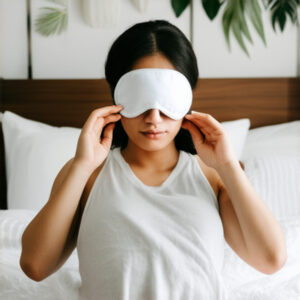
Beat Insomnia Naturally: Explore the Best Non-Addictive Sleep Aids
Introduction: Discovering the Best Non-Addictive Sleep Aid for a Restful Night
Hey there, and welcome! If you’ve ever found yourself tossing and turning at night or battling insomnia, you’re in the right place. Today, we’re diving into a treasure trove of natural, non-addictive sleep aid techniques that have helped countless people reclaim their sleep without relying on medication. We blend trustworthy insights with a friendly, conversational vibe—think of it as chatting with a knowledgeable friend who genuinely cares about your well-being.
So, what’s the big deal with insomnia? It’s more than just an occasional sleepless night that leaves you groggy the next day; it’s a condition that can affect nearly every aspect of your life—from your concentration to your overall mood. With so many people steering clear of chemical solutions these days, natural sleep aids are stepping into the spotlight as the go-to fix. Our aim is to share practical tips, backed by years of research and hands-on experience, that can pave the way for a healthier, more balanced sleep cycle.
In today’s whirlwind world, folks are increasingly opting for treatments that meld with the body’s natural rhythms rather than fighting against them. From dietary tweaks to mind-body practices, these natural alternatives offer long-term benefits that help you drift off gently and wake up recharged. As you read on, you’ll find a blend of solid advice and real-life methods to seamlessly incorporate the best non-addictive sleep aids into your daily routine.
Understanding Insomnia: The Science Behind Those Sleepless Nights
Insomnia is a multifaceted beast, often rooted in everything from physical and emotional stress to our daily environment. Research shows that when anxiety, stress, and bad habits set in, your sleep can easily suffer, trapping you in an exhausting cycle. By peeling back the layers on how sleep works—essentially a delicate dance regulated by our natural body clocks—we can see why natural remedies can be a so-effective long-term solution.
When you look deeper, you’ll see that numerous factors like stress, too much screen time, and even the wrong eating habits can throw your sleep patterns out of whack. Overreliance on stimulants or simply eating at odd times can act like roadblocks to that deep, rejuvenating sleep your body craves. Recognizing these triggers is a huge first step on the path to embracing natural, non-addictive ways to enhance your sleep quality.
Ever wonder how it all works? Our bodies follow circadian rhythms—those natural cycles that tell us when it’s time to sleep and wake up. These cycles are heavily influenced by light exposure, our meal timings, and even our daily activities. When these rhythms get disrupted, falling asleep can feel like an uphill battle. But by adopting natural techniques, like winding down with a calming routine or setting up a sleep-friendly environment, you can give your body the support it needs to hit the reset button nightly.
Lifestyle Changes: Weaving the Best Non-Addictive Sleep Aid into Your Routine
Sometimes, the small adjustments make all the difference. Establishing a consistent sleep schedule—going to bed and waking up at the same time every day—can work wonders in tuning your internal clock. This simple tweak, in harmony with natural sleep aid strategies, can transform your bedtime into a predictable and soothing ritual.
And don’t forget the magic of a pre-sleep routine! Whether it’s curling up with a good book, listening to some mellow tunes, or doing a bit of stretching or meditation, these activities help signal to your brain that it’s time to wind down. Little changes like dimming the lights or enjoying a cup of herbal tea can make a surprisingly big difference in setting the stage for a truly relaxing night.
One more tip: try to cut back on screen time in the evening. In our digital age, the glare from our devices can mess with the production of melatonin, a hormone that’s crucial for sleep. Instead of scrolling through your phone right before bed, why not pick up a journal or dive into some deep-breathing exercises? You might be surprised by how these simple switches can steadily improve your sleep.
Nutrition and Diet: Letting Natural Foods Be Your Sleep Sidekick
Believe it or not, what you eat has a big say in your sleep quality. Certain foods—rich in magnesium, tryptophan, and even melatonin—can help relax your body and make it easier to nod off. Think of a comforting bowl of oatmeal, a handful of walnuts, or some tart cherries as your natural allies in the quest for better sleep—no pills required.
And if you feel like you need an extra boost, dietary supplements such as melatonin, magnesium, or L-theanine might be worth considering. Just remember, a little guidance from a healthcare professional can go a long way in making sure these supplements fit your personal needs. Used in tandem with a balanced diet, they can help bolster your overall approach to naturally enhancing sleep.
Timing matters too—eating a huge meal too close to bedtime can leave you feeling uncomfortable and disrupt your sleep patterns. A light, nutrient-rich snack about an hour before you hit the hay might just be the right way to prime your body for rest. Sometimes, the tiniest adjustments can have the biggest impact on your sleep.
Mind-Body Techniques: Boosting Your Natural Sleep Aid Effect
Our minds are powerful players when it comes to sleep, and using techniques like meditation or deep breathing can be a game-changer in quieting the hustle and bustle of your thoughts before bed. By reducing stress hormones, these practices help ease you into a more restful state, making it easier to drift off naturally.
Ever tried gentle yoga or a simple stretching routine before bed? Even a few slow, mindful moves can help loosen up physical tension and strengthen that connection between your body and mind. Practicing these routines regularly can turn the tide against the everyday stresses that keep you awake.
Journaling is another gem—pouring your thoughts onto paper can help clear your mind of the day’s clutter, paving the way for a more peaceful night’s sleep. This little habit can work wonders in releasing built-up anxiety, letting you approach bedtime with a calm, clear head.
Environment Matters: Creating the Perfect Space for Natural Sleep
Your sleep environment is just as crucial as the techniques you use. Making your bedroom a sanctuary with soft lighting and soothing sounds can work wonders in signaling your brain that it’s time to settle down. Consider blackout curtains, an eye mask, or even a white noise machine to keep disruptive noises at bay. These simple changes can transform your room into a cozy haven for sleep.
It’s not just about the ambiance—the right mattress and pillows are essential too. Invest a little in creating a sleep setup that promotes proper spinal alignment and minimizes discomfort. It might seem like a splurge, but trust me, the quality of your sleep is worth it.
Don’t overlook temperature and air quality. Keeping your bedroom cool (about 65°F or 18°C) and well-ventilated helps your body naturally transition to sleep mode. This balanced environment encourages a soothing, undisturbed sleep, making it easier to rise refreshed in the morning.
Conclusion: Embracing a Wholesome, Natural Path to Beat Insomnia
In a nutshell, tackling insomnia isn’t about quick fixes—it’s about adopting a well-rounded, natural approach that supports your overall well-being. By mixing thoughtful lifestyle changes, smart dietary choices, mind-calming practices, and an inviting sleep environment, you’re setting yourself up for a night of truly restful sleep. Each step nudges you closer to that harmonious state where natural sleep aids work their magic.
Just to sum it up: integrating non-addictive sleep aids into your routine helps regulate your body’s natural rhythms, reduces your need for medications, and bolsters a healthier lifestyle. The strategies we’ve chatted about—from consistent routines to setting up a dream-worthy sleep space—are not only backed by science but have also been proven effective through real-world experience.
So why not start small? Pick one or two changes to try out, whether it’s a dietary tweak, a relaxing pre-bed ritual, or a minor adjustment to your room. With a bit of patience and persistence, your body will gradually tune in to this healthier rhythm. Embrace the journey, and soon enough, you’ll rediscover the peaceful, restorative sleep you deserve.
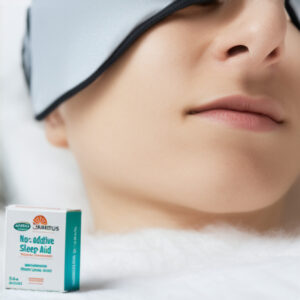
Non-Addictive Sleep Aid Review: Find the Best One for You
Introduction: Why Choosing the Right Non-Addictive Sleep Aid is a Game-Changer
Let’s face it—life today is a whirlwind of stress and non-stop schedules, making it tougher than ever to get a truly restful night’s sleep. That’s why finding a non-addictive sleep aid that works naturally is so important. We all know the temptation of quick fixes, but those often come with the hidden risk of dependency in the long run. In this post, we’re diving into why non-addictive sleep aids really matter and exploring some safe, natural alternatives that work in harmony with your body. Stick with us as we unpack how these remedies work and guide you in making a choice that supports your overall wellbeing.
More and more people are steering clear of addictive options in favor of approaches that protect their long-term health. Both users and experts are scrutinizing how these natural sleep solutions mesh with our bodies, aiming to boost healthy sleep cycles without any nasty side effects. Whether you’re already familiar with sleep aids or just taking your first step, a little research and the right info can change your sleep—and your life—for the better.
Up next, we’ll break down what we mean by “the best non-addictive sleep aid.” This isn’t just about dozing off quickly; it’s about doing so safely and naturally. We’ll look at which products help you achieve that deep, refreshing sleep without compromising your long-term health. So, get ready to explore some insights that will empower you to confidently navigate the world of sleep aids.
The Rising Need for Non-Addictive Sleep Solutions
It’s clear that not all sleep aids are created equal. Lately, the worry about dependency has been on everyone’s mind, leading many to seek out alternatives that genuinely protect long-term wellbeing. People who’ve struggled with the downsides of traditional prescriptions are especially drawn to non-addictive options. With sleep disorders affecting millions, shifting to safe, natural fixes is more necessary—and timely—than ever.
This shift is all about finding lasting, sustainable ways to support natural sleep cycles without the worry of dependency. The buzz around non-addictive sleep aids continues to grow as more people learn about their benefits. It’s part of a broader move towards holistic health, where the focus is on treating the whole person rather than just ticking off symptoms. In essence, opting for the right non-addictive sleep aid isn’t just a health decision—it’s a lifestyle upgrade.
Defining “Best Non-Addictive Sleep Aid”: What’s It All About?
When we mention the best non-addictive sleep aid, it’s not just about how fast it puts you to sleep. It’s about how kind it is to your overall health and natural rhythms. The ideal choice should be gentle enough that you wake up refreshed, without the worry of building dependency or suffering any side effects down the line.
The term “non-addictive” here means that the product doesn’t mess with your brain’s reward systems in a way that leads to dependence. Instead, it works quietly with your natural bodily processes. Whether it’s packed with herbal goodness or backed by scientific research, the goal is to support your sleep cycles safely. Stick with us as we compare different options, blending scientific facts with real-life experiences.
Understanding Sleep and Its Disorders
How Sleep Works and Why It’s So Essential
Sleep isn’t just a break from our busy lives—it’s a complex, vital process that keeps both our body and mind in check. We go through multiple sleep phases that help with everything from memory consolidation to detoxifying the brain. Knowing a bit about these cycles makes it clear why a good night’s sleep is key to feeling our best. Our internal clock, or circadian rhythm, does a fantastic job coordinating these phases so every bit of repair happens just when it should.
When sleep is constantly disrupted or just not enough, it can impact everything from focus to mood. Understanding the ins and outs of how sleep works is crucial; it can help you see why swapping out unhealthy aids for non-addictive ones might be the smarter move. With a clear picture of sleep’s mechanics, making choices about sleep aids becomes clear and tailored to support your health.
Common Sleep Disorders and Their Impact on Daily Life
Conditions like insomnia, sleep apnea, and restless leg syndrome are all too common and often lead to chronic fatigue, stress, and sometimes even long-term issues such as heart problems. Take insomnia—it’s not just about having a hard time falling asleep; it usually involves a cycle of stress and poor sleep that can derail your entire day. Whether caused by stress, health issues, or lifestyle habits, these disorders really demand our attention.
For anyone wrestling with sleep issues, non-addictive sleep aids can be a breath of fresh air. They’re designed to ease symptoms without piling on the risk of dependency. By understanding the effects of these common disorders, you can better appreciate why it’s so important to choose products that promise safe, reliable relief, all while supporting a healthier way of life.
Natural vs. Addictive Aids: Breaking It Down
The debate over natural versus addictive sleep aids has been buzzing for a while now. Natural sleep aids often lean on herbs, amino acids, and other plant-based goodies to gently rebalance your sleep. Meanwhile, traditional options might offer fast results but can shut the door on long-term safety by causing tolerance and dependency. This makes choosing a sleep aid a balancing act between immediate comfort and future wellbeing.
The beauty of natural aids is how they work alongside your body’s own processes. Many users love that they can be taken regularly without the fear of dependency. While the pharmaceutical route might offer rapid relief, it sometimes comes with side effects that can dent overall health over time. Knowing these differences can steer you towards a non-addictive sleep aid that fits both your lifestyle and long-term health goals.
How Sleep Aids Function: The Science Behind the Magic
What’s Happening in Your Brain?
To get how non-addictive sleep aids work, you first need a peek into what’s happening in your brain. Most of these aids tweak the levels of neurotransmitters that regulate sleep. By subtly influencing these pathways, they help usher you into sleep without any drastic changes that potent medications might cause. This balanced approach means you get both deep, restorative rest and the lighter, refreshing sleep your body craves.
For example, some ingredients boost the levels of gamma-aminobutyric acid (GABA), a neurotransmitter that calms your brain. This method mimics your body’s own way of dialing down neural activity. Unlike addictive sleep drugs that can overwhelm your brain and lead to dependency, these natural alternatives help you doze off gently. It’s a neat blend of science and nature that ensures you wake up feeling clear-headed.
Sleep Aids vs. Sedatives: What’s the Difference?
It’s worth making a clear distinction between sedatives and sleep aids. Sedatives are geared towards providing an immediate calming effect and are mostly used for urgent, short-term needs. Sleep aids, in contrast, work on smoothing out your natural sleep process over time. The best non-addictive sleep aid eases you into sleep gradually without forcing you into an artificial state.
This difference is key if you’re looking to build healthy sleep habits. Sedatives might be helpful in emergencies, but they’re not really built for nightly use. On the other hand, non-addictive sleep aids support your natural rhythm, making them a far better option for long-term sleep improvement. Whether you’re brand new to sleep aids or looking for an alternative to over-the-counter medicines, understanding these nuances can guide you toward the best choice for your sleep needs.
The Top Non-Addictive Sleep Aid Options on the Market
What to Look for in the Best Non-Addictive Sleep Aid
Picking out the right non-addictive sleep aid means weighing a few key factors. First off, you want something that works effectively without risking dependency. Look for products backed by solid research that clearly explain how they work. Transparency in ingredient sourcing, data from clinical trials, and glowing user reviews are all signs you’re on the right track. The perfect sleep aid will balance quick sleep onset with long-term health support.
It’s also smart to lean towards products that take a holistic approach. Think about whether they address underlying issues like stress or mild anxiety, which can often keep you tossing and turning. Instructions for dosage, ease of incorporating it into your routine, and minimal side effects are all boxes to check. If a product ticks all these boxes, chances are you’ve found a winner that steers clear of the traps that come with more addictive alternatives.
Diving into Product Comparisons and Reviews
There’s no shortage of contenders when it comes to non-addictive sleep aids. You might find everything from natural herbal blends and melatonin supplements to different plant-based formulas on the shelves. Each product brings its own mix of potency, ingredient quality, and user experience. Our breakdown digs deep into these options, weighing their unique formulas and the research backing them up. Both expert opinions and user reviews offer a comprehensive picture of how safe and effective each product really is.
What’s clear from the comparisons is that many of these sleep aids stress a balanced, natural approach to good sleep. Several brands are celebrated for their commitment to organic, well-labeled ingredients, making it easier to see exactly what you’re taking. Factors like ease of use at bedtime, consistency of results, and even minimal side effects make a big difference. By putting user reviews and expert insights side by side, we aim to help you pinpoint the sleep aid that’s right for you.
The Magic of Unique Ingredients and Their Benefits
One of the most appealing aspects of non-addictive sleep aids is the way they blend a variety of ingredients to promote a natural sleep cycle. Think of plant extracts like valerian root, passionflower, and chamomile—all known for their soothing, calming effects. Add in compounds like melatonin, which helps reset your internal clock, alongside magnesium and L-theanine to ease anxiety and relax muscles, and you’ve got a cocktail designed to gently nudge your body toward sleep.
It’s truly fascinating how these ingredients can work in concert to enhance sleep quality without leading to dependency. Many manufacturers take pride in using potent yet safe natural substances, ensuring you get both immediate and long-lasting benefits. This approach not only helps you fall asleep faster but also supports a more restorative, deep slumber—all without the downsides of stronger, synthetic medications.
Pros and Cons of Using Non-Addictive Sleep Aids
The Upside: Safety, Effectiveness, and Consistent Use
One big plus of non-addictive sleep aids is their inherent focus on protecting your long-term health. Unlike some traditional sleep medications that can create dependency, these supplements are built for regular, worry-free use. Many people have found that a steady routine with these aids can lead to better sleep, an uplifted mood, more energy, and improved mental clarity during the day. Plus, because they’re often made from natural ingredients, there’s less anxiety about long-term side effects.
The science often backs up these benefits, with studies and customer experiences alike pointing to improved sleep patterns and a more balanced daily routine. The beauty lies in their gentle way of nudging your body back into its natural sleep rhythm—so you not only sleep better but also feel more equipped to handle the day’s challenges.
Watch Out: Potential Side Effects and Points to Consider
Even the best non-addictive sleep aids aren’t without a few quirks. Some users might notice minor side effects like a slight headache, a bit of digestive discomfort, or some fluctuations in energy as the body adjusts. These issues are generally far less severe than what you might encounter with stronger, prescription sleep aids. Still, it’s wise to remember that everyone’s body is different, so personal reactions can vary.
As always, it’s a smart move to chat with your healthcare professional before starting any new supplement, especially if you have ongoing health issues or are pregnant. By taking the time to read labels and understand the ingredients, you’re setting yourself up for a safer, more informed experience. Overall, the benefits of these aids tend to outweigh the minor potential drawbacks.
Expert Opinions and Real User Stories
There’s a lot to be said about what health experts and everyday users are saying about non-addictive sleep aids. Many professionals appreciate these supplements as a reliable alternative to those dependency-prone medications—especially when it comes to gradually improving sleep quality. Clinical observations often point out that once users start incorporating these aids, there’s a noticeable drop in reliance on harsher pharmaceuticals.
And then there are the personal stories: everyday folks sharing how their sleep patterns improved over time, how nighttime anxiety faded, and how overall wellbeing got a boost. While results can vary, the general trend is towards better sleep and quality of life. This blend of expert backing and real-life testimonials builds the trust needed to confidently choose a sleep aid that fits your lifestyle.
Making an Informed Decision on the Best Non-Addictive Sleep Aid for You
Reflecting on Your Sleep Needs and Lifestyle
Choosing the right sleep aid starts with some honest self-reflection. What exactly is tripping up your sleep? Are you struggling to fall asleep, stay asleep, or simply not feeling refreshed? Identifying these challenges can help you pinpoint which blend of ingredients might do the trick for you. Maybe you’re juggling high stress in a bustling city, or perhaps irregular work hours are throwing your sleep off track—tailoring your choice to fit your unique circumstances is key.
It’s equally important to think about your long-term health goals. If you’re after natural, sustainable sleep habits, a non-addictive sleep aid loaded with herbal ingredients might be your ideal pick. On the other hand, if you need a boost during a particularly stressful spell, you might consider something a bit more potent—but still safe when used responsibly. Knowing what you need and aligning your choice with your lifestyle will leave you feeling more at ease with your selection.
Navigating Product Labels and Research Like a Pro
When it comes to picking any health product, including sleep aids, getting friendly with the product label is a must. Look carefully for ingredient lists, dosage guidelines, and any mention of clinical studies or research support. Reliable products will point you to independent research or studies carried out by trusted institutions. Getting into the habit of reading these labels not only boosts your confidence but also ensures you’re opting for something that meets rigorous standards.
It never hurts to have a chat with your healthcare provider, too. Bring along your findings or any questions about the product label—they can help you interpret the details in the context of your own health needs. Armed with all this information, you’re in a strong position to decide on the best non-addictive sleep aid that ticks all your boxes.
Balancing Cost and Value for Money
Finally, let’s talk money. It’s important that your sleep aid not only works for you but also offers great value. The best non-addictive sleep aid will strike a balance between high quality and affordability. Sure, a lower price tag might be tempting, but remember that investing a bit more now could mean better sleep and fewer health hiccups down the road—saving you both time and money in the long run.
In the end, the cost isn’t just about the price you pay upfront; it’s about the ongoing benefits to your overall health and daily performance. Weighing the pros and cons within your budget helps ensure that you’re getting a product that truly offers value, night after night.

The Best Non Addictive Sleep Aid: Trusted Solutions for a Good Night’s Sleep
Introduction to the Best Non Addictive Sleep Aid
Let’s face it—finding the right sleep aid that won’t hook you isn’t simple, especially if you’ve battled restless nights for a while. In our super busy world, a good night’s sleep isn’t just a nice-to-have; it’s downright essential for feeling your best. With so many options out there, it can be a real head-scratcher figuring out which one truly works for you. In this article, we’re diving into natural sleep solutions that steer clear of dependency issues, explaining why these non addictive aids are a winning ticket for long-term sleep health. We’ll break down what makes these products safe enough for daily use, how they differ from traditional drugs, and why they might be the reliable remedy you’ve been looking for.
What Is a Non Addictive Sleep Aid?
Simply put, a non addictive sleep aid is usually a naturally sourced supplement or a smartly formulated product that helps set your body’s sleep rhythm without the risk of building a dependency. Unlike many prescription sleep meds, which can leave you feeling tied down to your nightly dose, these alternatives work in step with your body, easing it into a peaceful rest without messing with your natural sleep cycle. They often feature herbal extracts, amino acids, and other naturally calming compounds aimed at gently coaxing you into slumber. With these aids, you sidestep the unwanted side effects and dependency issues that might come with harsher medications. Their goal is more about harmonizing your body’s own sleep signals rather than just slapping a bandaid over insomnia symptoms.
Why Choose the Best Non Addictive Sleep Aid for Better Sleep?
When you decide to go with a non addictive sleep aid, you’re not just chasing sleep—you’re aiming for richer, higher quality rest that leaves you feeling refreshed in the morning. Using a trusted sleep aid means you’re guarding against dependence while also giving your natural sleep cycle a little boost. These aids work in sync with your body and have the added benefit of being both safe and effective. Lots of users share that, after switching, they wake up feeling more alert and well-rested. It’s all about nurturing long-term health without the worry of your body getting too used to a medication’s effects. This approach is all about a smooth, natural journey to better sleep that fits snugly into positive sleep habits and your everyday lifestyle.
Overview of Trusted Natural Solutions
When it comes to natural ways to get quality sleep, think of herbal teas, dietary supplements, and mindful routines that all support your body’s built-in sleep mechanisms. Many of these products have been through clinical testing to confirm they work—without the downside of dependency. Crafted with pure, carefully chosen ingredients, these remedies help melt away stress and usher in a calm state that’s perfect for sleep. They’re designed to help your body ease into deep, restorative rest naturally. Across the board, these solutions aren’t just making lofty promises; they’re backed up by solid research and glowing testimonials. As you read on, you’ll discover how aligning with natural sleep strategies can make a noticeable difference in the quality of your shut-eye, minus the risks that come with standard pharmaceutical options.
How the Best Non Addictive Sleep Aid Works
Ever wonder how natural sleep aids actually do their magic? They work by gently nudging your body’s own sleep cycle along while sidestepping the chance for dependency. These products blend ingredients that subtly influence your brain’s chemical signals, helping you unwind and drift off smoothly. Often, you’ll find a mix of calming herbal extracts paired with vitamins or amino acids that steer your sleep hormones—like melatonin—in the right direction. Over time, by making these aids part of your nightly routine, your body starts to recognize them as cues for sleep, and you enjoy better sleep patterns without throwing off your natural balance. The best part? They help you get the rest you need without forming the kind of physical or psychological reliance that’s all too common with some prescription options, making them a smart, sustainable choice for long-term sleep support.
The Science Behind Natural Sleep Aids
The magic behind natural sleep aids isn’t just folklore—it’s backed by science. Ingredients like valerian root and chamomile extract have been highlighted in both traditional use and lab research for their mild, sedative impact. These components are chosen specifically to boost melatonin production, which plays a starring role in keeping your sleep and wake cycles in balance. As more research comes in, numerous studies have shown that these natural ingredients can effectively shorten the time it takes to hit the hay and enhance overall sleep quality. While they might not be miracle workers, these aids stand out as a safe option for many people, especially when used in tandem with good sleep habits.
Key Ingredients That Enhance Sleep Quality
If you’re on the hunt for the best non addictive sleep aid, keep an eye out for standout ingredients like melatonin, valerian root, magnesium, and passionflower. Melatonin’s role in marking the start and end of your sleep cycle is crucial—it tells your body when it’s time to clock out for the night. Valerian root and passionflower are popular for their natural ability to ease tension and calm your nervous system. Magnesium is another key player; it helps relax your muscles and soothe your mind, encouraging a more peaceful slumber. When combined, these ingredients offer a balanced approach to sleep that not only helps you nod off quicker but also ensures that your sleep is deep and restorative throughout the night.
Differentiating Between Addictive and Non Addictive Options
At first glance, telling apart addictive sleep aids from non addictive ones might seem tricky. The main difference is all about how they work with your body over time. Prescription sleep meds often tap into your central nervous system, which can lead to tolerance and dependency if you’re not careful. On the flip side, non addictive sleep aids gently support your natural rhythms with ingredients that complement your body’s inherent processes. This means you’re less likely to end up chasing higher doses for the same effect. While traditional medications might offer a quick fix, they can sometimes set you up for future sleep troubles. That’s why many people lean towards natural sleep aids—they promise long-term benefits without the big risk of dependency.
Top-Rated Best Non Addictive Sleep Aid Options
Nowadays, the market is bursting with non addictive sleep aid options that cater to those who value natural wellness. From herbal teas to over-the-counter supplements and expert-endorsed formulas, there’s no shortage of choices. Not only do these products have a solid track record with user rave reviews, but they’re also backed by clinical research that vouches for their safety and effectiveness. Every category has its own perks—whether it’s a swift calming effect, a gradual nap-time arrival, or consistent deep sleep. With a range of personalized solutions emerging to fit different lifestyles, you’ll find that even though many products are built on similar natural ingredients, subtle differences in their makeup can make a big difference in your sleep experience.
Herbal Remedies and Supplements
Herbal remedies have been the go-to for sleep support for centuries, thanks to their natural, soothing properties. Think chamomile, valerian root, and passionflower—these herbs have earned their rep as gentle sleep enhancers. You can find them in various forms, whether as teas, tinctures, or dietary supplements, making it super easy to work them into your bedtime routine. People love these natural formulas because they help ease you into sleep in a gentle, unintrusive way without disturbing your natural sleep phases. Supported by both traditional wisdom and emerging scientific proof, these herbal supplements offer a reliable, non-chemical route to a good night’s sleep.
Over-the-Counter Solutions
Alongside herbal options, over-the-counter sleep aids have carved out their own space in the non addictive category. These products typically combine natural extracts with useful vitamins and minerals to boost your sleep experience. Unlike prescription meds that are meant for constant use, these OTC solutions are designed to help you out on the occasional rough night by promoting a sense of calm that resets your sleep cycle. While you might find some of these on store shelves, make sure to check that they stick to non addictive principles. Pharmacists and sleep experts often recommend these products as the first step when you’re dealing with temporary sleep hiccups. Their clear directions and accessibility make them a favored pick among those who want safe, easy-to-use solutions.
Expert-Recommended Natural Aids
Then there are the natural aids that come with a stamp of approval from health professionals. These products have been fine-tuned through rigorous research and clinical trials, making them a go-to choice for anyone wary of the downsides of addictive sleep solutions. With a blend that often includes melatonin alongside soothing botanicals, these aids provide a compelling alternative for those who need help without the risk of dependency. Doctors and sleep specialists often highlight these options as safe, especially for patients who’ve dealt with side effects or dependency issues from traditional methods. Their consistent quality and thoughtful formulation make them a smart addition to your nightly routine.
Evaluating the Effectiveness of the Best Non Addictive Sleep Aid
When it comes to any sleep aid, effectiveness matters—and that means looking at clinical studies, real user experiences, and ongoing research. Many of these non addictive sleep aids come with impressive evidence showing improvements in how quickly you fall asleep, how long you stay asleep, and the overall quality of your sleep. Sure, individual results vary, but the steady stream of positive feedback from both studies and user reviews speaks volumes. While a few might mention minor side effects like a bit of grogginess the next morning, these issues are generally much milder compared to the side effects of addictive medications. The long-standing safety records of these aids, bolstered by years of rigorous testing, make them a reliable choice for those looking to boost their sleep without unwanted risks.
Review of Clinical Studies and Research Findings
Over recent years, research has piled up in favor of non addictive sleep aids. Clinical trials involving herbal extracts and naturally derived supplements have shown promising results—like falling asleep faster and enjoying more efficient sleep. Peer-reviewed studies and meta-analyses further confirm that these natural options can be both safe and effective. Researchers also point out that pairing these aids with good sleep habits can really amplify their benefits. While not every study claims a one-size-fits-all miracle, the overall evidence is strong enough to give anyone a reason to try them.
Understanding Potential Side Effects and Safety Profiles
Even though natural sleep aids are generally gentle on the system, it always pays to be informed. Most of these products are designed with your safety in mind, so any side effects are usually minor and fleeting. For a few folks, this might mean a little morning drowsiness or mild tummy upset, but these experiences tend to fade as your body adjusts. One of the big draws is that these natural solutions don’t come with the harsh withdrawal symptoms seen in some traditional sleep aids. Always take a moment to review the ingredient list, dosage recommendations, and any reported side effects before you start out, ensuring that the sleep aid you pick fits well with your personal health needs.
Personalizing Your Experience with the Best Non Addictive Sleep Aid
The secret to better sleep might just lie in tailoring your sleep aid regimen to fit your unique story. Everyone’s sleep challenges are different—what works wonders for one person might not be the magic fix for another. It all starts with figuring out what specifically impacts your sleep, maybe by keeping a sleep diary to track patterns and triggers. Once you get a closer look at your sleep habits, you can fine-tune your approach and choose a sleep aid that really clicks with your body. These natural products are easy to incorporate into your nightly routine alongside classic sleep strategies like setting a regular bedtime, lowering the lights, or practicing a little relaxation before bed. With a bit of self-awareness and maybe some expert advice, you can create a sleep strategy that’s both safe and uniquely yours.
Assessing Your Unique Sleep Needs
Your sleep journey is as unique as you are, and understanding that is the first step toward a personalized sleep solution. Maybe you struggle with falling asleep, or perhaps you toss and turn through the night—pinpointing your challenges will help you pick the right natural sleep aid. Consider your daily habits, stress levels, and even your diet to see how they might be keeping you from a good night’s sleep. It might take some trial and error, but with a little patience—and perhaps a sleep journal to track your progress—you’ll find the ingredients that resonate best with your body. Tailor your sleep routine to your personal needs, and you’ll soon see the difference it can make.
Consulting Healthcare Professionals for Tailored Advice
When you’re in doubt, chatting with a healthcare professional about your sleep woes is always a good call. These experts can give you personalized advice based on your health history, current meds, and overall sleep patterns. Whether it’s a doctor, physiologist, or sleep specialist, their insights can help you zero in on the natural ingredients that might work best for you. Having an honest conversation about your sleep challenges can reveal options that not only address your immediate needs but also fit into a larger, long-term plan for better sleep. Their guidance ensures you’re choosing a product that’s both safe and suited for your individual lifestyle.
Enhancing Sleep Quality Alongside the Best Non Addictive Sleep Aid
While a solid non addictive sleep aid can do wonders, pairing it with good sleep hygiene and lifestyle tweaks is where the real magic happens. Think about establishing a steady sleep schedule, cutting back on screen time before bed, and creating a cozy, distraction-free sleep zone. Add in regular exercise, a balanced diet, and a little mindfulness, and you’ve got yourself a recipe for consistent, high-quality sleep. These aids aren’t just about helping you drift off faster—they’re there to support a deeper, more attentive recovery each night. When these healthy habits sit alongside your chosen sleep aid, you’re setting yourself up for a comprehensive approach to better sleep that keeps you refreshed day after day.
Incorporating Sleep Hygiene Practices
nailing good sleep hygiene is often the secret sauce to a truly restful night. Establish a regular bedtime, tone down the lights, and clear your space of distractions—these seemingly small steps can transform how well you sleep. Whether it’s curling up with a book or doing some gentle stretching before bed, these routines signal your brain that it’s time to wind down. Combined with the natural support of non addictive sleep aids, these practices help create an environment where every part of your sleep journey works together seamlessly for deep, uninterrupted rest.
Lifestyle and Behavioral Adjustments for Better Rest
Sometimes the key to better sleep is tweaking your daily habits a bit. Regular exercise, managing stress with hobbies or mindfulness, and even small dietary changes can recalibrate your body’s clock and cement positive sleep patterns. Cutting back on that afternoon caffeine or taking short, refreshing walks can seem minor, but these changes can really boost your nightly rest. When these lifestyle tweaks work hand-in-hand with non addictive sleep aids, they create a positive feedback loop that gradually improves your sleep quality over time.
Relaxation and Mindfulness Techniques
Let’s not forget the power of a calm mind. Incorporating relaxation techniques like meditation, deep breathing, or even a simple moment of quiet reflection can do wonders before bedtime. These practices help slow the pace of a busy day and prepare your mind for sleep. When paired with a natural sleep aid, these mindfulness routines ensure that your journey to sleep is as smooth and stress-free as it should be.

Insomniacs Rejoice: The Best Non Addictive Sleep Aids That Actually Work
Introduction: Hey, Insomniacs – Let’s Explore the Best Non-Addictive Sleep Aid!
Hey there, sleepyhead! If you’re lying awake night after night, you’re definitely not the only one. Insomnia can feel like a never-ending roller coaster that zaps your energy and messes with your mind. Today, we’re here to chat about the best non-addictive sleep aids available—ways to get a good night’s sleep without worrying about dependency. We’ll mix in some science, throw in natural remedies, and share lifestyle tips, all in one friendly guide through what can seem like a complicated maze. Whether your sleeplessness is an occasional nuisance or a chronic problem, our expert insights and real-world advice are here to help. So, let’s set off on a journey toward those peaceful nights and see why non-addictive sleep solutions are becoming the talk of the town!
Insomnia isn’t just about a few lost hours of sleep—it can really throw your day off balance, affecting your mood and overall well-being. Lots of folks have tried prescription meds only to face side effects and the risk of dependency. This is exactly why non-addictive sleep aids are turning heads—they promise to help you sleep soundly without the long-term downsides. In this piece, we’re breaking down what “non-addictive” really means, and highlighting evidence-backed alternatives that care about your overall health. With a blend of expert opinions and a touch of clinical insight, we’re here to help you understand how a holistic approach might just be the key to a restful night.
Understanding Insomnia and Its Challenges
Insomnia can hit for all kinds of reasons—stress, anxiety, health issues, or even just a few tweaks in your daily routine. It’s more than just having trouble drifting off; it can throw your inner clock completely out of whack, leaving you tired and irritable the next day. Sure, some prescription medications might help in the short term, but they can also lead to dependencies and other side effects. Once you get the picture, it’s easy to see why people are turning to non-addictive options. In this article, we’ll share the latest research and easy-to-follow tips to help you pick the best sleep aid option that won’t come with a catch.
Why Non-Addictive Sleep Aids Are a Real Game-Changer
In today’s hectic world, chasing a good night’s sleep often mirrors our broader quest for lasting wellness. While traditional sleep aids might work quickly, they sometimes set you up for dependency. That’s why non-addictive sleep aids are getting all the buzz—they’re crafted to help your body naturally settle into sleep without any long-term compromises. Whether you’re considering a natural supplement, a behavioral tweak, or a lifestyle change, these alternatives aim to deliver consistent results while keeping your body’s innate rhythms intact. Here, we’ll stress the importance of viewing sleep as an integral part of overall health—a time for true, sustainable rest without the extra baggage.
What Does “Non-Addictive” Actually Mean?
When we say a sleep aid is “non-addictive,” we’re talking about products and strategies that don’t lead to physical or psychological dependency. They work gently with your body’s natural sleep processes instead of pushing heavy-duty drugs into the mix. Essentially, these aids help balance sleep hormones and neural pathways—you know, without altering things permanently. Unlike some of those prescription meds that can build up tolerance over time, these non-addictive options are all about softly nudging your sleep cycle back into harmony. In the upcoming sections, we’ll dive into the science behind these products and explain why sleep should be a peaceful experience, free from the risk of addiction.
The Science of Sleep – How the Best Non-Addictive Sleep Aids Really Work
The Inner Workings of Sleep and Circadian Rhythms
To really appreciate what makes a sleep aid non-addictive, it helps to understand the basics of how sleep works and how our internal clock, the circadian rhythm, plays its part. Our bodies have this clever internal timer that manages our sleep/wake cycles, responding to light, hormones, and even social cues. When this rhythm goes off track, it can lead to a host of issues—from difficulty falling asleep to restless nights. Non-addictive sleep aids work by supporting these natural processes instead of overwhelming them. By aligning with your body’s own internal clock, these solutions promote a sleep experience that feels natural and refreshing.
How Non-Addictive Aids Team Up with Your Brain
Our brains are like a super sophisticated network of signals and chemicals, all responsible for guiding us to sleep. Natural sleep aids often work by boosting the production or the action of melatonin, that “sleep hormone” telling your body it’s time to call it a day. Unlike heavy medications that can overdo it on central nervous system depressants, non-addictive products create a balanced setting that gently nudges you into deep, restorative sleep—without the fear of dependency. By understanding these brain-chemical interactions, you can better appreciate why these approaches align so well with your body’s natural design.
Natural Remedies: A Look at the Top Non-Addictive Sleep Aids
Herbal Supplements: Nature’s Calmatives
When you’re trying to beat insomnia without falling into the trap of dependency, herbal supplements can be your new best friend. Herbs like valerian root, passionflower, and chamomile have been cherished for their soothing qualities for ages. These botanical wonders work by gently adjusting your brain chemistry, helping you relax and drift off naturally. Many have found that a consistent nightly dose of these herbs leads to better, more stable sleep patterns. The research backs it up too—showing that these natural remedies can reduce the time it takes to fall asleep and improve overall sleep quality. With herbal sleep aids, you’re choosing a method that works in tune with your body’s rhythms, laying the groundwork for a truly restful night.
Melatonin and Other Natural Hormones
Ever wonder what all the fuss about melatonin is about? Often dubbed the “sleep hormone,” melatonin plays a lead role in keeping your sleep/wake cycle on track. If life’s stresses, too much light at night, or just getting older has thrown off your melatonin levels, a supplement might be just the ticket. This naturally occurring hormone tells your body “it’s time to sleep,” setting the scene for a relaxed state. Plus, compounds like glycine and magnesium are also on the scene, gently helping calm your nervous system. These natural hormonal aids come with the bonus of not being addictive, making them top contenders in the world of sleep aids for a reason.
Aromatherapy and Relaxation: Scents That Soothe
For centuries, aromatherapy has been trusted to calm the mind and body. Essential oils such as lavender, sandalwood, and chamomile can seriously enhance your sleep quality. These scents work by triggering your brain’s limbic system—the emotional center—helping to reduce stress and create a sense of calm. Pair these with some deep breathing exercises or a little gentle stretching, and you’ve got yourself a full-on bedtime ritual that transforms your space into an oasis of relaxation. Incorporating these sensory cues can smooth the transition into deep, restorative sleep.
Lifestyle Tweaks: Easy Ways to Boost Your Sleep Without the Addictive Risks
Crafting a Sleep-Friendly Environment
Think of your bedroom as your personal haven, a spot designed solely for relaxation. Keeping this space free from pesky distractions and harsh, bright lights is one of the simplest ways to boost your sleep quality—no meds required. Imagine soft, warm lighting, a cozy set-up, and maybe even some calming background sounds like a gentle rain or ambient tunes. Small changes like these add up, setting the stage for a night of uninterrupted sleep. By combining these tweaks with non-addictive sleep aids, you’ll create a holistic system that naturally leads to better, more rejuvenating rest.
Mindfulness, Meditation, and Relaxation Techniques
Let’s not forget the mental side of sleep. Often, it’s a racing mind that keeps you up at night. Techniques like mindfulness and meditation can be real game-changers—teaching your brain to slow down and relax. Even just a few minutes a day of focusing on your breath, guided imagery, or progressive muscle relaxation can ease the transition to sleep mode. Establishing a nightly routine that calms the mind not only boosts sleep quality but also improves your overall mental wellness. It’s like hitting the refresh button on your day and setting the stage for a better tomorrow.
Modern Medications vs. Non-Addictive Sleep Aids: Choosing What’s Right for You
Prescription Meds vs. Over-the-Counter Options
It’s no secret that modern medicine offers a laundry list of sleep medications. However, finding the right one is always a balancing act. Prescription sleep aids often work fast but come with the risk of dependency, which drives many to seek non-addictive alternatives. Over-the-counter solutions, such as herbal supplements and melatonin, offer a gentler way to tackle sleep issues. Sure, they might take a bit more time to show their magic, but the long-term benefits for your health are worth it. Understanding the pros and cons of each approach can help you choose a solution that fits perfectly with your lifestyle and sleep needs.
Weighing Safety, Effectiveness, and Side Effects
Safety always comes first when it comes to sleep aids, and that’s where non-addictive options really shine. They not only help you slip into a deep, restorative sleep but also come with minimal side effects. When weighing your choices, think about how quickly you can fall asleep, how restful your sleep turns out, and whether you wake up feeling foggy. Non-addictive sleep aids tend to work in sync with your body’s natural chemistry, offering a balanced solution that minimizes unwanted side effects. Both clinical studies and personal stories highlight that quality sleep doesn’t need to come with a catch.
Personalizing Your Sleep Strategy
Remember, there’s no one-size-fits-all when it comes to sleep. Different sleep issues—be it insomnia, sleep apnea, restless leg syndrome, or disrupted circadian rhythms—require tailored approaches. Working with a sleep specialist can help pinpoint exactly what’s keeping you up, so you can create a customized plan that might include natural remedies, behavioral tweaks, or even targeted over-the-counter supplements. A personalized sleep strategy not only fits your unique situation but also brings you one step closer to enjoying those precious, uninterrupted nights.
Evidence and Expert Opinions: Backing Up the Non-Addictive Sleep Aid Revolution
Solid Research on Non-Addictive Alternatives
It goes without saying that good research is essential when it comes to sleep aids—and non-addictive ones are no exception. Numerous clinical studies have shown that herbal supplements, melatonin, and mindfulness practices can significantly improve sleep metrics like how quickly you fall asleep and how long you sleep, all without the risk of dependency. This growing body of evidence paints a clear picture: natural, non-addictive remedies not only hold promise but often deliver sustainable, long-lasting sleep benefits.
Insights from Sleep Experts
Around the globe, sleep specialists are increasingly championing a holistic approach. They recommend strategies that work in harmony with your body’s natural rhythms, rather than forcing sleep through heavy medication. Whether it’s through lifestyle adjustments, natural supplements, or mindfulness practices, experts agree that these non-addictive approaches target the root causes of sleep disturbances while preserving your long-term health. Their success stories and expert panels underscore that managing sleep issues safely is not only possible—it’s the way forward.
Conclusion: Embrace Peaceful Nights with Non-Addictive Sleep Aids
As we wrap up our deep dive into non-addictive sleep aids, one thing’s clear—the road to better sleep doesn’t have to be paved with dependencies or side effects. From herbal supplements and melatonin to aromatherapy and mindfulness, each method we’ve discussed offers a balanced, natural path to restful nights. The blend of science, personal lifestyle tweaks, and expert advice gives you a strong foundation to reclaim your peaceful sleep.
In short, better sleep shouldn’t come with strings attached. By integrating natural remedies and smart lifestyle choices, you can improve your sleep quality without worrying about long-term risks. Whether you’ve been battling insomnia for years or just looking to boost your sleep hygiene, remember that the journey to restorative sleep is as unique as you are. With these non-addictive options by your side, you’re on your way to creating a bedtime routine that promotes balance, health, and genuine rest.
So why not start small? Try one new tactic at a time, and soon enough, you might find that these non-addictive sleep aids not only transform your nights but also brighten your days. The future of sleep wellness is looking brighter as we blend scientific insights with time-tested holistic practices. Here’s to a future where managing insomnia is safe, effective, and leads to the peaceful, natural sleep your body craves. May every night bring you closer to that serene, well-deserved rest!

Stay Safe: Your Guide to Best Non Addictive Sleep Aid Options
Stay Safe: Your Insider’s Guide to the Best Non-Addictive Sleep Aids
An Easy-Going Intro to Non-Addictive Sleep Aids
Ever feel like a good night’s sleep is as elusive as catching lightning in a bottle? We totally get it. This guide is all about finding that sweet spot—sleep aids that don’t come with the baggage of dependency. We’re here to walk you through what makes a sleep aid truly “non-addictive,” and why leaning on nature and safe, natural remedies can help you keep your sleep cycle on track. Over time, countless folks have been caught between a rock and a hard place: needing rest but dreading harmful, addictive chemicals. Now, more than ever, it’s crucial to know what you’re really putting into your body. With a mix of professional know-how and hands-on insights, our mission is to empower you to make choices that feel just right.
Throughout this piece, we’ll peel back the layers on what makes a sleep aid non-addictive and why getting quality sleep shouldn’t cost you in long-term side effects. Think of this guide as a friendly roadmap toward a healthier, more relaxed night’s sleep—one that blends solid science with down-to-earth tips. From herbal supplements to lifestyle tweaks or even complementary treatments, we’ve gathered a bunch of medically backed, firsthand-tested nuggets of wisdom. So, kick back, get comfy, and prepare to discover how you can boost your nights the natural way!
So, What Exactly Is a “Non-Addictive Sleep Aid”?
The phrase “best non-addictive sleep aid” covers anything that helps you drift off without setting you up for dependency. What really makes these products stand out? Essentially, these sleep helpers steer clear of the chemicals that can lead to tolerance and dependency, instead favoring natural ingredients and ongoing healthy lifestyle habits. You might have heard about fast-acting miracle cures, but the ideal sleep aid is one that works in harmony with your body’s natural rhythm. In short, it’s all about choosing options that have been thoroughly tested and are backed by both real-life experiences and solid research.
Plus, the magic isn’t just in a one-night wonder. A top-notch non-addictive sleep aid is about slowly rebuilding your natural sleep rhythm. It’s about understanding dosages, formulations, and even the best timing to use these aids for true sleep support. The goal is to set up an environment where your mind and body naturally ease into relaxation—a method now backed by numerous studies. Today’s sleep aids are designed to respect your body’s processes, offering a natural passage to rest without relying on gimme shortcuts that could lead to future problems.
Why Sleep Matters and Safety Is a Big Deal
We all know sleep is key to our overall health—from our brain’s performance to our immune system. So, it makes sense to ensure that any sleep strategy you adopt is both safe and effective. Skimping on sleep can mess with everything, so a sleep aid that fits perfectly into a healthy lifestyle—without the risk of dependency—is absolutely priceless. Pair these aids with good sleep hygiene, like sticking to a regular bedtime and creating a cozy, tranquil environment.
Really, safety can’t be taken lightly. As you explore different options, it’s important to check out the labels, dive into clinical studies, and even chat with your doctor. More and more, people are turning to natural remedies that have been rigorously tested, looking for gentle, long-term solutions over quick-fix options. By choosing the best non-addictive sleep aid, you’re not just booking a few snooze-worthy nights; you’re paving the way for a healthier future overall.
What’s Inside This Guide?
Think of this guide as your trusty companion, ready to help you navigate the world of non-addictive sleep aids. We’re breaking down the science behind natural sleep supports and looking at a range of options—from tweaking your diet to exploring herbal remedies and even trying out complementary treatments. There’s plenty to explore, including the many benefits of non-addictive solutions, insights from experts, and practical steps to weave these changes into your daily routine.
Each section is designed not only to inform but also to empower you with friendly, practical advice. We’re blending scientific perspective with real-life stories, giving you a well-rounded look at how these approaches can transform your nights. Ready to embark on a journey to better sleep? Dive in and discover how safe, natural sleep enhancements can be a game-changer.
Why Pick a Non-Addictive Sleep Aid?
When traditional sleep aids come with the strings of potential dependency, non-addictive alternatives feel like a breath of fresh air. These options come with loads of benefits—from keeping your body’s natural rhythm intact to avoiding the pitfalls of tolerance and withdrawal later on. The best non-addictive sleep aids work gently with your body using natural ingredients that support your sleep cycle without throwing your overall health off balance. It’s about enjoying immediate relief and nurturing long-term sleep quality.
What’s really appealing is that these aids take a holistic approach. They often harness herbal and natural formulations that look after your entire well-being, in stark contrast to the more forceful pharmaceuticals. By minimizing reliance on potentially harmful substances, these sleep aids can boost your mood, cognitive clarity, and even your metabolic health. In the end, you’re setting up a balanced, sustainable sleep routine that feels as natural as it is effective.
The Science Behind Natural Sleep Supports
Sleep science can be pretty wild, with an intricate dance of neurotransmitters, hormones, and circadian rhythms all playing their part. Natural sleep supports work by nudging these processes along without the harsh side effects that come with some prescription meds. For instance, certain herbal remedies contain compounds that mimic melatonin or GABA, helping your brain ease into sleep mode. What’s neat is that these aids boost the body’s own natural mechanisms rather than overriding them.
Recent studies have been shining a light on the power of non-addictive, natural sleep solutions. Researchers are finding that many of these time-tested natural compounds, used in traditional medicine for generations, offer gentle but significant support for your sleep cycle without the risk of dependency. Later on in the guide, we’ll delve deeper into the science, arming you with the facts you need to make an informed choice about your sleep health.
Top Natural Options for a Non-Addictive Sleep Aid
The world of natural sleep aids is a varied one. Some of the top contenders include herbal remedies and natural supplements that are celebrated for their impressive safety records. Take chamomile, valerian root, or passionflower for example—these have long been trusted to ease your way into sleep without messing with your body’s natural rhythm. It’s not just about swallowing a pill; it’s about embracing holistic practices that cue your body’s own relaxation response.
Beyond herbal products, consider lifestyle and dietary tweaks. Adjusting your diet to include sleep-friendly nutrients like magnesium can seriously boost your nightly routine. Maybe it’s cutting down on caffeine or timing your meals better, but these small changes can set the stage for a balanced sleep cycle. The whole idea is to prepare your body for sleep before you even hit the hay.
Herbal Remedies and Natural Supplements
Herbal remedies have stood the test of time and continue to be some of the most trusted natural sleep aids out there. Think about lavender with its soothing aroma, or passionflower which is known to ease anxiety—both play a key role in setting up a calm environment for sleep. These natural supplements work by lowering stress and encouraging the brain to release its own sleep-inducing chemicals. The bonus? They help with both sleep and overall relaxation.
If you’re new to these herbal options, it’s smart to start slow and maybe check in with a healthcare provider, especially if you have health conditions to consider. Many folks find that these gentle remedies help them settle in naturally. Plus, you can find them in all forms, whether it’s teas, tinctures, or capsules—so you can pick what suits your routine best. The secret is finding a reputable source and the right fit for your unique needs.
Dietary Tweaks and Lifestyle Shifts
Balanced nutrition is often the unsung hero of a good sleep routine. Foods packed with sleep-friendly nutrients like magnesium, tryptophan, and melatonin—think leafy greens, nuts, and select fruits—can work wonders in prepping your body for rest. These choices help kickstart the bodily processes that control your sleep-wake cycle, so you’re setting the stage for a more refreshing sleep.
Of course, it’s not just about what you eat. Simple lifestyle adjustments like cutting down on screen time before bed, establishing a soothing pre-sleep ritual (a little reading, meditation, or some calming tunes), and keeping a consistent sleep schedule can transform your nights. Blending both dietary and lifestyle changes creates a natural, non-addictive sleep regimen that seamlessly becomes part of your everyday routine.
Exploring Complementary Treatments and Relaxation Hacks
Complementary treatments such as mindfulness, acupuncture, or even yoga can really revamp your sleep setup. These methods not only calm your mind but also help lower the stress holding you back from a full night’s rest. Progressive muscle relaxation or simple breathing exercises are catching on, especially for those who’d rather avoid prescription sleep meds. The beauty of these techniques is that they enhance the benefits of any natural sleep aid you’re already using.
Adding a dose of relaxation to your evening—for instance, by tackling a bit of deep breathing or embracing a short yoga session—can lower your cortisol levels and clear your mind, paving the way for peaceful sleep. Whether you join a class or simply make time at home, these calming strategies offer extra support that’s both proactive and preventive.
Making Your Best Non-Addictive Sleep Aid Part of Your Nightly Routine
Sometimes, small changes pack the biggest punch. Integrating your chosen sleep aid into your nighttime rituals might feel like a tiny shift, but its impact can grow over time. Create a consistent bedtime routine—maybe a cup of calming herbal tea, a few minutes of meditation, or a dietary tweak—and watch how it signals your body that it’s time to relax.
The key here? Routine. Whether it’s reading a chapter of a book, meditating, or listening to some soft music, pairing your natural sleep remedy with these calming activities creates a powerful synergy. Over time, your sleep aid transitions from a one-off solution to a trusted part of your nightly ritual, ensuring you harness every bit of its benefit.
Mixing in Healthy Sleep Habits with Your Sleep Aid
Ever heard the saying that good sleep is a team effort? Healthy sleep habits are like the secret sauce that makes even the best non-addictive sleep aid shine. Think along the lines of keeping your bedroom dark, quiet, and comfortable, and really dialing down on screen time before bed. Pairing these habits with your chosen sleep aid can result in a night of truly restorative sleep.
By sticking to a steady bedtime schedule, cutting caffeine later in the day, and creating a relaxing sleep space, you’re setting up the ideal backdrop for those natural remedies to work their magic. This combined approach not only helps you sleep better at night but also boosts your overall daytime energy and well-being.
What the Experts Are Saying
When it comes to safe sleep remedies, expert advice is gold. Doctors, sleep specialists, and recent research all point toward the benefits of natural, non-addictive options over conventional prescription sleep aids. Many experts warn against the overuse of synthetic sleep meds—which can sap your body’s natural ability to sleep—favoring instead the gentle, steady improvements that come with herbal remedies, improved sleep hygiene, and mindfulness techniques.
Their years of clinical experience suggest that choosing a sleep aid is a personal journey, best guided by your own needs and health profile. So, tuning in to expert opinions can help ensure your route to better sleep is informed, balanced, and ultimately more sustainable.
Professional Tips and Clinical Evidence
Healthcare providers are increasingly rallying behind a natural approach to sleep management. Recent clinical studies show that when natural sleep aids are paired with healthy lifestyle habits, improvements in sleep quality—even better mood and concentration during the day—are well within reach. Professionals often recommend simple, nature-derived remedies in place of stronger, synthetic alternatives that may lead to dependency.
Many clinicians note that gradually incorporating natural sleep aids into your routine can yield significant benefits without risking the chain reaction of withdrawal symptoms. Their consensus? Work with your body’s natural rhythm, and the results will speak for themselves.
Side-by-Side Comparisons and Safety Checks
When it comes down to it, comparing different sleep aids can help you find the one that’s just right for you. On one hand, you have herbal supplements like valerian root and chamomile tea, prized for their gentle nature and low risk of side effects. On the other, lifestyle tweaks—like meditation and better sleep hygiene—offer a risk-free complement to any natural remedy. The choice often boils down to what fits best with your personal health needs.
A big piece of the puzzle is the safety profile. Top choices usually come from brands that do their homework—transparent testing, reputable research, and clear labeling ensure you know exactly what’s in your product. By taking a close look at these details, you can select a strategy that aligns comfortably with your health goals.
Busting Myths and Clearing Up Misconceptions
There’s a lot of misinformation floating around when it comes to sleep aids. One big myth is that “natural” means “ineffective,” or that herbal supplements can’t compete with synthetic options in terms of speed and power. In reality, many non-addictive sleep aids work slowly and steadily with your body, building a lasting foundation for better sleep without the risk of dependency. Contrary to another common belief, not all sleep issues need heavy intervention—a handful of consistent lifestyle tweaks can work wonders.
By debunking these myths and sharing real-world experiences, you can approach your search for natural sleep solutions with clarity and confidence. What works for you might be different from someone else’s recipe for success, and that’s perfectly okay.
Your Top FAQs on Non-Addictive Sleep Aids
We know you have questions. A common one is, “What should I look for in a sleep aid?” The trick is to zero in on products packed with natural, well-documented ingredients and clear, transparent testing. Look for sleep aids backed by credible studies, user testimonials, and straightforward guidelines for everyday use. Also, be mindful of potential interactions with medications or pre-existing conditions.
Another frequent concern is potential side effects. While natural options are generally a safer bet, it’s always smart to keep an eye out for anything unusual. Ultimately, understanding the ingredients and doing a bit of homework can keep you on the safe path toward better, healthier sleep.