


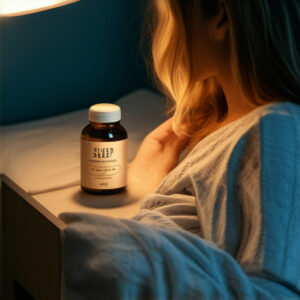
Are You Looking for the Best Non Addictive Sleep Aid? Here’s What to Know
Introduction: Searching for a Non-Addictive Sleep Aid That Really Works?
In our crazy, fast-paced world, getting a good night’s sleep can be a real challenge—especially when you want to avoid the risks of addictive medications. If you’ve been on the lookout for a non-addictive sleep aid, know that you’re not the only one. Millions of people are now turning to alternative solutions that offer peaceful, uninterrupted sleep without the downsides of traditional sleep meds. In this article, we’re breaking down what exactly makes a sleep aid non-addictive, why so many folks are after these safer options, and how natural remedies can transform your nightly routine.
What Does It Mean for a Sleep Aid to Be Non-Addictive?
Basically, a non-addictive sleep aid is all about helping you drift off without setting you up for dependency or long-term side effects. Unlike the standard drugs that can lead to tolerance and withdrawal, these alternatives rely on safe, natural ingredients or behavioral techniques. They work by gently supporting your body’s own sleep cycle without messing too much with your brain chemistry. Instead of knocking you out chemically, they help restore your natural rhythm, so you maintain a healthier, long-lasting relationship with sleep.
Why So Many People Crave a Non-Addictive Sleep Aid
Over the years, more and more people have shifted their focus to naturally-based and sustainable sleep solutions. With rising concerns about the risks associated with conventional sedatives and an increase in sleep disorders, it’s no wonder there’s a huge demand for options that are both effective and free from dependency issues. This trend isn’t just about finding something that knocks you out—it’s about choosing a solution that naturally fits into and improves your overall lifestyle.
Exploring Natural and Safe Alternatives
When it comes to natural sleep aids, think herbal remedies, dietary supplements, mindful practices, and even small tweaks to your bedroom environment. These methods skip the harsh chemicals and often align with a holistic view of health. For example, ingredients like valerian root, chamomile, and melatonin have been celebrated for their potential to naturally balance sleep cycles. The key is to think of your sleep health as a whole package—balancing both mind and body to support better sleep. And of course, it’s important to pick solutions that match your lifestyle and sleep habits.
Understanding Sleep and Its Disorders: Why You Need a Non-Addictive Sleep Aid
Sleep isn’t just about lying in bed doing nothing; it’s a crucial time for your body to repair, recharge, and even kickstart healing at a cellular level. Ongoing sleep issues can seriously derail your daily life and overall health. The best non-addictive sleep aid isn’t a magic bullet—it’s more like a partner that helps you bring your natural sleep cycle back in balance. By getting to the root of your sleep problems, you can choose remedies that work in harmony with your body, paving the way for a more natural and effective path to restful sleep.
How Sleep Disorders Impact Your Health
Disorders like insomnia, sleep apnea, or restless leg syndrome do more than just rob you of nighttime rest; they throw off your body’s essential rhythms. When you aren’t getting enough sleep, your immune system, hormone balance, and mental health can all take a hit. Over time, this lack of proper rest may even contribute to serious issues like heart disease and metabolic problems. Recognizing the deep connection between sleep and overall wellbeing highlights why non-addictive solutions, which address the root causes rather than just masking symptoms, are so important.
The Upside of a Non-Addictive Sleep Aid
Choosing a non-addictive sleep aid means you’re opting for a long-term, sustainable approach rather than a quick fix. These methods sidestep the risks of dependency and unwanted side effects that often come with traditional sleep medicines. Moreover, by addressing factors like diet, stress, and your sleep environment, these aids help create a healthier sleeping pattern over time. Ultimately, this balanced and holistic approach doesn’t just improve sleep—it can lead to better mental clarity, mood stability, and overall wellness.
Evaluating Your Options: How to Find the Right Non-Addictive Sleep Aid for You
With so many sleep aids on the market, choosing the right one can feel overwhelming. The journey to finding your ideal non-addictive sleep aid means taking a good look at your sleep habits, the specifics of your sleep issues, and what fits with your personal health goals. It’s less about following the latest fad, and more about weighing scientific backing, safety, and real user feedback. Balancing these factors can help you pinpoint a solution that not only works right away but also fits seamlessly into your long-term wellness plan.
Key Factors When Choosing a Non-Addictive Sleep Aid
When you’re on the hunt for a sleep aid, safety should be your top priority. Look into whether the ingredients are backed by solid research and recommended by sleep experts. It’s also important to check the purity and dosage, making sure there’s no risk of negative interactions with any other medications you might be taking. Checking out reviews and healthcare professionals’ insights can also give you an idea about what really works. The end goal is finding a sleep aid that’s not only non-addictive but also truly effective in helping you get that deep, quality sleep.
Comparing Natural Remedies with Over-the-Counter Solutions
Natural remedies and over-the-counter sleep aids each have their own vibe. Natural options usually promote a slow but steady shift towards healthier sleep habits, often using herbal supplements, aromatherapy, or mindfulness routines. On the flip side, OTC solutions can provide quick relief—but they sometimes come with the baggage of potential dependency or side effects. It’s not about knocking one option in favor of the other, but about finding what gels best with your own health objectives. Experimenting with different methods and getting advice from professionals can really help you nail down your best approach.
The Importance of Personalized Treatment Plans
Sleep isn’t a one-size-fits-all issue—what works for one person might not work for you. That’s why personalized treatment plans are so important. A tailored approach considers your unique sleep patterns, health history, and lifestyle changes you’re ready to make. Working with a sleep specialist can help you navigate everything from environmental tweaks to incorporating natural remedies into your daily routine. A custom plan not only tackles the immediate sleep issues but also sets you up with long-term habits that nurture a sustainable sleep culture.
Natural Remedies & Alternatives: Making Non-Addictive Sleep Aids Work for You
The appeal of natural remedies lies in their minimal side effects and perfect harmony with an overall healthy lifestyle. These alternatives lean on gentle, time-tested ingredients and modern sleep science to guide you towards a restful night. Whether you opt for herbal supplements or practices like meditation to cut down stress, the overarching aim is to craft a natural route to better sleep. Just remember—while these natural picks can be super effective, they work best when paired with lifestyle adjustments that support a full spectrum of sleep health.
Herbal Supplements: Time-Tested Helpers for Sleep
Think of herbal supplements like valerian root, passionflower, or chamomile as your old friends when it comes to sleep. These herbs have a long history of helping people settle into a more regular sleep pattern by soothing the nervous system—without the harsh effects that synthetic drugs might bring along. Modern research keeps supporting what our ancestors already knew: these natural remedies can help dial down anxiety and encourage relaxation. If you’re considering adding them to your nightly routine, chatting with your healthcare provider can ensure you’re on the right track.
Mindfulness, Meditation, and Lifestyle Tweaks
Beyond supplements, practices like mindfulness and meditation can be absolute game changers before bedtime. Techniques like deep breathing, guided imagery, or progressive muscle relaxation can steer your mind into a calmer state, setting the perfect stage for sleep. Coupled with lifestyle changes—like reducing screen time, sticking to a regular bedtime, and managing stress—these methods can truly help you unlock better sleep. Sometimes simple, gradual tweaks in your daily routine can make a world of difference in both your sleep quality and overall mental health.
Balancing Safety and Effectiveness in Natural Sleep Solutions
When weighing natural sleep aids, it’s key to keep an eye on both safety and how well they work. While many of these remedies come with a long history of use, modern standards call for a little extra caution and research. Always double-check the source and dosage advice, and consider products that combine traditional wisdom with current scientific backing. Starting low and slow is often the way to go, giving your body time to adapt and ensuring you steer clear of any unexpected interactions.
Expert Medical Insights on Non-Addictive Sleep Aids
Gaining insight from sleep specialists can be incredibly helpful when you’re sifting through all the options available today. These experts blend years of clinical experience with the latest research, helping us understand which approaches are most sustainable without the risk of dependence. Their advice, rooted in both hard data and real-world results, bridges the gap between natural solutions and conventional treatments. Tapping into expert opinions can reassure you that you’re making informed choices on your journey to better sleep.
What Sleep Disorder Specialists Want You to Know
Top sleep disorder specialists often point out that the key to success with sleep aids is personalization—they aren’t one-size-fits-all. Many of them advocate starting with non-addictive treatments because these come with a much lower risk profile. Their recommendations mix natural interventions, like herbal remedies and cognitive behavioral therapy, with careful use of over-the-counter options when needed. By blending these methods, they’ve seen better long-term outcomes, proving that genuine, restorative sleep often results from a thoughtful combination of science and personal care.
How Ongoing Research is Shaping Sleep Aid Advancements
The landscape of sleep aid research is constantly evolving. New studies are being conducted to assess the long-term benefits of natural ingredients and to fine-tune dosages that help you sleep without fostering dependency. This evolving research not only backs up old-time remedies but also refines them with modern scientific insight. These breakthroughs are key, as they lead to the innovative, patient-focused sleep solutions you see today, merging established traditions with fresh advancements.
Marrying Medical Advice with Natural Options
The best approach to better sleep is often a mix of professional guidance and natural methods. Many experts suggest beginning with environmental and behavioral adjustments before turning to any medication. By blending solid clinical advice with holistic practices, you can create a strategy that tackles immediate sleep issues while also building a lasting foundation for healthy sleep habits. It’s all about balancing the best of both worlds to address the complex nature of sleep disorders.
Lifestyle Tweaks for Better Sleep: Boosting Your Non-Addictive Sleep Aid Strategy
Last but not least, your day-to-day habits and surroundings play a huge role in how well you sleep. Beyond finding that perfect sleep aid, little lifestyle enhancements can have a big impact. Whether it’s revamping your bedroom, sticking to a regular nighttime ritual, or making mindful choices during the day, every bit counts in boosting your sleep quality. These improvements help create a holistic environment where your body is naturally encouraged to unwind and rest.
Crafting the Perfect Sleep Sanctuary
Picture a bedroom that practically whispers, “relax, you deserve this.” Simple tweaks like cutting down background noise, choosing comfy bedding, and keeping the room at just the right temperature can do wonders. Some people even add a touch of aromatherapy or soft lighting to set a mellow mood. Your ideal sleep environment should feel like a personal oasis where both body and mind can peacefully transition into a deep, refreshing sleep. These adjustments work hand in hand with non-addictive sleep aids to support your quest for quality rest.
Sleep Hygiene Tricks to Get the Most Out of Your Night
Good sleep hygiene is really the backbone of a restful night. Simple habits like powering down your devices an hour before bed, sticking to a regular sleep schedule, and engaging in calming pre-sleep rituals can seriously boost your ability to both fall asleep and stay asleep. When these practices are combined with non-addictive sleep aids, they create a synergy that supports your natural sleep rhythms and cuts down on stress. Stick with it; over time, these habits help retrain your body to embrace sleep, boosting the overall effectiveness of your sleep strategy.
How Diet and Exercise Lend a Hand
What you eat and how much you move during the day can really tip the scales when it comes to sleep. A balanced diet with plenty of nutrients—and cutting back on caffeine close to bedtime—can naturally enhance your sleep drive. Similarly, regular physical activity helps manage stress and improve sleep quality, as long as you time it right so that it doesn’t interfere with your evening wind-down. By blending these lifestyle choices with your non-addictive sleep aid plan, you’re setting up a robust foundation for a truly healthy sleep routine.
Conclusion: Paving Your Way to Better, Non-Addictive Sleep
Wrapping up our deep dive into non-addictive sleep aids, it’s clear that blending natural remedies, personalized plans, and simple lifestyle tweaks can offer a truly promising pathway for anyone wrestling with sleep issues. Rather than chasing a quick fix, you’re investing in a deeper understanding of your sleep needs and building routines that stand the test of time. It turns out that combining traditional wisdom with modern research really proves that safe, effective sleep solutions do exist—without the risk of dependency.
Key Takeaways
The magic of non-addictive sleep aids lies in their ability to nurture your natural sleep cycles, sidestepping the pitfalls of dependency and harsh side effects. Whether you opt for herbal supplements, mindfulness routines, or simply revamp your sleep environment, every little choice contributes to a more holistic and sustainable sleep journey. It’s all about weighing your options, seeking sound advice from healthcare pros, and tailoring your strategy to your unique needs.
Your Next Steps to Personalized Sleep Success
The best move you can make right now is to start small and gradually build a sleep support plan that fits you perfectly. Experiment with lifestyle tweaks, natural supplements, and mindfulness practices; track what works best for your body. And if you need a little extra guidance, don’t hesitate to talk to a sleep specialist. Remember, transforming your sleep routine is a journey—one that rewards you with long-term wellness over instant fixes. So take a deep breath, stay patient, and trust that you’re well on your way to discovering the restorative sleep you deserve.

Non-Addictive Sleep Aids That Actually Work: Top Choices Revealed
Introduction: Why You Need the Best Non Addictive Sleep Aid
We all know that sleep isn’t just a luxury—it’s a vital part of staying healthy and happy. Yet, it feels like fewer than half of us are getting the rest we truly deserve these days. In our constantly buzzing world, stress and erratic sleep patterns are all too common, which is why many of us are on a quest for effective, safe solutions. The pursuit of a non addictive sleep aid isn’t just about wiping away restless nights; it’s about tuning your body back to its natural rhythm without the risks that come with traditional medications. By opting for non addictive choices, you’re making a wise, long-term investment in your sleep and overall well-being. In the following discussion, we’ll break down the benefits of these natural alternatives so you can make smarter, more informed decisions.
Recognizing how sleep disorders affect our day-to-day lives is key. A poor night’s sleep can hit you with problems ranging from a foggy mind and cranky mood to physical health setbacks. It’s essential to catch those early signs of sleep troubles before they snowball. In this post, we’ll chat about the issues that lead to those restless nights and share some practical, dependency-free fixes that really work. So whether you’ve been battling chronic insomnia or just looking to fine-tune your sleep routine, these natural remedies might just be your ticket to reclaiming peaceful nights and a better quality of life.
Along the way, we’ll also clear up the differences between non addictive sleep aids and traditional medications. Sure, conventional drugs might offer a quick fix, but they come with the risk of dependency and side effects that can add up over time. On the flip side, natural alternatives work in tune with your body’s processes, nurturing your sleep in a more gentle and lasting way. Setting realistic goals is key—it’s all about taking small, steady steps toward a healthier sleep routine. With non addictive options, you empower yourself to create a sleep environment that boosts your overall vitality without the baggage of dependency.
The Science Behind Sleep and the Journey Toward the Best Non Addictive Sleep Aid
To appreciate the magic of a great non addictive sleep aid, it helps to understand a bit about how sleep works. Our sleep cycles are a complex mix of phases—light, deep, and REM—each doing its part to keep our brains sharp, aid memory, and refresh our bodies. When any part of this process gets interrupted, it can throw off our entire system. Natural sleep aids work by gently steering these processes in the right direction, nudging you closer to that deep, restorative sleep. Researchers are even delving into how these non addictive boosters can mend and enhance these delicate cycles.
Think about it this way: if your sleep is constantly broken up, your brain misses out on the key phases it needs to heal and maintain emotional balance. Non addictive sleep aids, often sourced from natural ingredients, help to balance your body’s stress response and ease you into the night. This method steers clear of dependency and makes sure that each night’s sleep makes a real difference in your overall health. By diving into the science behind it, you can see how these safe, natural aids quietly work to upgrade your sleep hygiene.
Pinpointing sleep troubles starts with understanding what’s really throwing you off track. It could be anything from your environment and eating habits to stress or even underlying health issues. Knowing what triggers your sleep disturbances helps you see why non addictive alternatives can be so effective—they target these issues without the heavy-handed impact of conventional drugs. Whether it’s calming your mind or smoothing the transition into deep sleep, the right non addictive sleep aid supports your body’s natural healing, setting you on the path to lasting balance and well-being.
Traditional vs. Non Addictive Options: Choosing the Best Non Addictive Sleep Aid
Navigating the world of sleep aids can feel overwhelming, especially when trying to decide between traditional medications and non addictive alternatives. Traditional sleep drugs might give you a temporary solution, but they can also lead to dependence, tolerance, and even side effects that compromise your health over time. Before you know it, you might find yourself stuck in a catch-22 where the remedy starts becoming a problem in its own right. In contrast, natural sleep aids are all about harmonizing with your body’s own rhythms, keeping things balanced without the added risks. Making the switch away from dependency-based meds can create a more sustainable path to better sleep.
There’s plenty to love about non addictive alternatives, too. These options often work hand-in-hand with your body, gently boosting melatonin production or offering a sense of calm without turning off your natural sleep cycle. With hardly any side effects, these remedies can be a real lifesaver, especially if you’re cautious about long-term medication. Combine them with lifestyle tweaks and you’ve got a recipe for a much safer, more effective way to enjoy a good night’s sleep. By incorporating these non addictive aids into your routine, you’ll likely notice an improvement in both how rested you feel and how sharp your mind is during the day.
Top Natural Sleep Aids: Your Guide to the Best Non Addictive Sleep Aid
When it comes to natural sleep aids, herbal and plant-based options have been in the spotlight for ages. Herbs like valerian root, chamomile, and passionflower have earned their stripes by soothing the mind and relaxing the body. These botanicals don’t just help calm your nerves—they can actually improve your sleep quality by gently coaxing your body into rest before you hit the hay. Many people swear by these remedies as a way to lower anxiety and ease into sleep without the downsides of man-made drugs. As part of a holistic strategy, they’re increasingly recognized as a wonderful way to achieve a truly non addictive sleep experience.
And it’s not just herbs making waves—supplements and vitamins also get a nod for their sleep-supporting powers. Think of magnesium, L-theanine, and certain B-vitamins: these natural supplements help reduce stress and balance neurotransmitters, enhancing your sleep architecture in a big way. Their all-natural formulas make them a favorite for anyone leaning towards a more holistic approach to sleep wellness. Of course, it’s always smart to chat with a healthcare professional before adding new supplements to your routine, just to be sure they work perfectly for your unique needs.
Let’s not forget that small lifestyle tweaks can supercharge the benefits of non addictive sleep aids. Simple things like cutting down on screen time before bed, weaving in a bit of light exercise during the day, or setting up a quiet, inviting sleep space can all pave the way for a deeper, more uninterrupted sleep. These non-drug approaches not only complement natural sleep aids but also give you the reins to improve your sleep hygiene on your own terms. The more balanced your routine becomes, the less you’ll feel the need for any kind of sleep medication.
Incorporating Lifestyle Changes for the Best Non Addictive Sleep Aid
While natural remedies are truly valuable, tweaking your lifestyle can make all the difference when it comes to quality sleep. Establishing a solid sleep routine isn’t just about taking a pill—it’s about setting up the right environment and habits. Try to stick to a regular bedtime, create a peaceful bedroom vibe, and avoid caffeine or heavy meals close to lights-out. These little adjustments signal to your brain that it’s time to relax and wind down.
Beyond getting your sleep environment in order, consider adding some relaxation techniques to your nightly ritual. Whether it’s meditation, deep breathing exercises, or a few gentle stretches, these practices can really cut down on stress and prepare your body and mind for sleep. These mindful practices work hand-in-hand with non addictive sleep aids, helping you slow down those racing thoughts that often stand in the way of a good night’s rest. Experiment with different techniques until you find out what best helps you unwind.
Expert Insights on the Best Non Addictive Sleep Aid Choices
It doesn’t hurt to lean on the wisdom of sleep specialists and health professionals. Many experts agree that choosing non addictive sleep aids is not only a smart way to manage your nightly rest, but it also pays off in the long run when it comes to overall health. These professionals often stress that combining natural remedies with smart lifestyle changes can lead to lasting improvements in sleep quality. Drawing on years of clinical experience and research, they emphasize the importance of a personalized approach to sleep management. With sound advice and proper guidance, you can pick the right products and techniques to meet your unique sleep needs.
Real-life stories further illustrate the benefits of going the natural route. Take Jane, for instance—after years of grappling with chronic insomnia, she found relief by combining herbal teas, natural supplements, and steady lifestyle changes. Her gradual journey to reclaiming her sleep serves as a powerful reminder that even without traditional meds, restful nights are entirely within reach. These success stories not only inspire but also highlight the many ways non addictive strategies can lead to a healthier, more vibrant life.
Conclusion: Taking the Next Step with the Best Non Addictive Sleep Aid
So, to wrap things up, we’ve taken a deep dive into a range of natural, non addictive alternatives to conventional sleep aids. From breaking down the science behind our sleep cycles to chatting about the benefits of herbal remedies and lifestyle tweaks, you now have a fuller picture of how these strategies can transform your nights. We’ve seen how steering clear of dependency-heavy medications can help you avoid unwanted side effects while paving the way for healthier sleep habits.
As you move forward, remember that meaningful changes in your sleep routine take time and persistence. Begin with small, manageable adjustments and gradually build on them—you’ll soon discover what truly works for your unique needs. Whether it’s developing sound sleep hygiene, trying out some meditation, or consulting a sleep specialist, these steps can help you embrace the non addictive sleep aids that best suit your life. With a little patience, persistence, and expert guidance, you’re well on your way to enjoying nights of peaceful, restorative sleep and waking up ready to seize the day.

Safe and Effective: The Best Non Addictive Sleep Aids You Should Try
Introduction: Why the Best Non Addictive Sleep Aid Matters
Ever feel like sleep is the unsung hero of your health, yet somehow slipping away when you need it most? In our non-stop modern lives, getting a solid night’s rest can seem impossible—insomnia and restless nights are all too common. That’s why finding a non addictive sleep aid that works without locking you into long-term dependency is so important. In this chatty guide, we’re going to break down exactly what makes a sleep aid “the best” when it comes to being non addictive. We’ll dive into what these aids are, explore their safe alternatives, and explain how they naturally help fine-tune your sleep cycle. By the end, you’ll feel one step closer to reclaiming those rejuvenating nights.
We’re focusing on sleep aids that steer clear of creating any physical or psychological crutches over time. With sleep issues affecting millions, it’s time to move beyond conventional, dependency-prone treatments. Whether you’re drawn to herbal remedies, over-the-counter supplements, or even carefully managed prescription options, this article is packed with evidence-based insights to help you make informed choices tailored to your lifestyle.
Think of this piece as your friendly roadmap through the sometimes-confusing world of sleep aids. I’ll blend expert advice with the latest scientific findings and practical tips that keep your overall wellness in mind. Whether your sleep troubles are a regular headache or just the occasional rough night, stick with me, and soon you’ll have a clear idea of which non addictive sleep aid might work best for you. Let’s unravel the science, benefits, and everyday strategies that all contribute to a better night’s sleep.
Understanding How the Best Non Addictive Sleep Aid Works
Let’s get to the nuts and bolts of these sleep aids. Unlike traditional medications that can simply knock you out, the best non addictive options use active or natural ingredients to gently kickstart your relaxation. They work with your body’s inherent rhythms—targeting neurotransmitters and hormones that govern your sleep patterns—so instead of forcing sleep, they nurture your natural cycle, leading to a more sustainable rest.
Now, just because something is non addictive doesn’t mean it’s weak. These sleep aids are all about delivering a soothing boost to your brain’s chemistry. Cutting-edge research shows that many of these options help reduce stress, ease anxiety, and fine-tune your sleep-wake cycle—all without the worry of building a dependency. Over time, this means you can enjoy better sleep quality without that nagging fear of needing more and more to get the same effect.
What’s really neat is how these aids differ from the heavy-hitting sedatives out there. Traditional sleep medications might force you into a deep sleep but could leave you feeling foggy the next day. In contrast, non addictive sleep aids work with your body—helping to reset your internal clock in a natural, gradual manner. It’s a gentler, science-backed strategy that’s gaining more support from modern research every day.
Exploring the Best Non Addictive Sleep Aid Options
When it comes to sleep aids, the variety is pretty vast. You’ve got natural remedies, over-the-counter supplements, and even some prescription options that boast a non addictive profile. Natural and herbal remedies are a popular choice; think of time-honored ingredients like valerian root, chamomile, and lavender. These offer a calming effect that eases both your mind and body into a state of restfulness without overloading on chemicals.
Over-the-counter supplements are another great option. Often a blend of vitamins, minerals, and naturally derived compounds, they work to optimize your sleep quality. Take melatonin, for example—a hormone that helps regulate your sleep cycle—often combined with magnesium or L-theanine to reduce stress. These products are accessible and, when used properly, tend to have a minimal side effect profile, positioning them as a sweet spot between gentle herbal remedies and more intensive prescription alternatives.
And for some, there’s also the option of prescription alternatives specifically formulated to avoid dependency pitfalls. With the guidance of a healthcare professional, these can be a great complement to your lifestyle changes. By weighing all the different options, you can tailor a sleep solution that not only fits your individual health needs but also works in harmony with your long-term wellness goals.
Evaluating the Safety of the Best Non Addictive Sleep Aid
Safety is always in the spotlight when picking a sleep aid, and non addictive options are no exception. These aids are designed to minimize tolerance and dependency, but it’s still wise to stay aware of any mild side effects. You might notice a bit of daytime drowsiness, some minor digestive issues, or slight alterations in your sleep structure. As always, if anything doesn’t seem right—especially if you’re mixing in other medications or have existing health concerns—it’s best to check in with your doctor.
Then there’s the matter of interactions. Even natural components like melatonin can sometimes play havoc with certain medications like blood pressure drugs or anticoagulants. And while herbal supplements come with their own set of benefits, they might still interact with your prescribed meds. In our interconnected world of healthcare, being informed about potential contraindications is key. With proper usage and guidance, though, the risk of adverse effects is kept to a minimum, and these sleep aids can become a safe part of your nightly routine.
Lifestyle Strategies to Maximize the Best Non Addictive Sleep Aid
Sure, a non addictive sleep aid can set the stage for better sleep, but pairing it with smart lifestyle tweaks really amps up the benefits. Establishing a consistent sleep schedule, adopting a calming bedtime ritual, and giving yourself time to unwind can seriously complement the effects of your chosen aid. It’s all about creating a sleep-friendly environment that naturally primes you for rest.
Incorporating mindfulness and relaxation techniques doesn’t have to be complicated either. Whether it’s deep breathing exercises, meditation sessions, or even some gentle yoga, these practices can induce a calming state that helps nudge you towards sleep. Sometimes, even a few minutes of progressive muscle relaxation or a quiet moment of reflection is all it takes to send a signal to your body that bedtime is near.
And let’s not forget about diet and exercise. Eating a balanced diet, avoiding heavy meals close to bedtime, and staying physically active all play their part in regulating your internal clock. These healthy habits, combined with non addictive sleep aids, create a holistic approach to better sleep that benefits your overall health in both the short and long term.
Scientific Evidence Supporting the Best Non Addictive Sleep Aid
If you need solid proof that these sleep aids work, the science is on their side. Numerous clinical studies have shown that non addictive sleep aids, whether herbal remedies or over-the-counter supplements, can significantly improve how quickly you fall asleep and overall sleep quality—all without the usual downside of dependency. These trials, conducted at respected institutions, provide quantitative data that supports what many users have experienced firsthand.
Experts in sleep medicine and brain health are jumping on board, too. They highlight how these aids help reset your natural circadian rhythm while minimizing the risks associated with traditional sleep medications. The prevailing sentiment among professionals is clear: when used consistently and in the right doses, non addictive sleep aids are a safe and effective tool for tackling sleep disorders.
Moreover, long-term research is steadily building the case for these sleep aids, showing fewer withdrawal symptoms and sustained improvements in sleep quality over time. This growing body of evidence not only reassures practitioners but also gives you the confidence to choose an option that aligns with a healthier, more balanced lifestyle.
Conclusion: Embracing a Holistic Approach with the Best Non Addictive Sleep Aid
In the end, finding that perfect sleep isn’t just about popping a pill or taking a supplement—it’s about embracing a holistic lifestyle change. The best non addictive sleep aid isn’t a quick fix; it’s a part of a broader strategy that transforms your nighttime habits into a routine that genuinely supports your overall well-being. Blending science-backed sleep aids with relaxation techniques
Guide to Choosing the Best Non Addictive Sleep Aid for Your Needs
Your Handy Guide to Picking the Right Non-Addictive Sleep Aid for You
Getting to Know Non-Addictive Sleep Aids
So, What Exactly Are Non-Addictive Sleep Aids?
Imagine a helper that boosts your sleep quality without making you dependent on it—those are non-addictive sleep aids. Unlike traditional sleep meds that sometimes lead to tolerance or even withdrawal, these supplements or remedies lean on natural sources and only a sprinkle of chemical additives. If you find yourself tossing and turning night after night, you might be onto something with these options, since they focus on your long-term health by gently nudging your body’s natural sleep cycle, all while keeping side effects to a minimum.
In today’s world, this shift away from quick fixes and toward solving the root of sleep disturbances is gaining traction. More and more people are choosing safe, natural alternatives that work with their bodies instead of against them. When you opt for these non-addictive solutions, you’re taking a caring step toward better, healthier sleep and an overall improvement in your well-being.
The Growing Buzz for Non-Addictive Sleep Solutions
Lately, there’s been a real buzz around non-addictive sleep aids. With rising awareness about the downsides of traditional sleep meds, many are turning to natural alternatives that promise fewer side effects and a more holistic approach to health. This trend goes beyond just dodging dependency—it reflects a broader move toward practices that embrace overall wellness.
People from all walks of life are incorporating these products into their self-care routines. They know that quality sleep is the secret sauce for physical, mental, and even emotional recovery. And when research and heartwarming testimonials back up these remedies, their popularity only grows.
The Perks of Choosing a Non-Addictive Option
Choosing a non-addictive sleep aid is really about investing in your future well-being rather than just chasing temporary relief during those restless nights. The perks? You get to sidestep the risk of getting hooked, dodge heavy side effects, and seamlessly work it into your daily routine. Plus, thanks to the natural ingredients it’s packed with, you’re giving your body the gentle support it needs to maintain a balanced sleep cycle.
These aids not only help you catch better ZZZs but also boost your energy and mood for the next day. With a reliable, well-tested product by your side, you’re on track to wake up feeling refreshed and ready to go.
Figuring Out Your Sleep Needs
How Well Do You Really Know Your Sleep Patterns?
Before you pick out a sleep aid, it’s a smart move to take stock of your sleep habits. Ask yourself: When do you typically hit the sack? Do you wake up multiple times during the night, or is it a battle to fall asleep in the first place? Pinpointing whether stress, your environment, or an underlying health issue is to blame can really narrow down what you need. Keeping a sleep diary might reveal patterns you hadn’t noticed and can help you, or even your doctor, figure out the best approach.
Try jotting down your bedtime, how long it takes you to fall asleep, and the overall quality of your sleep. This info is gold because different sleep aids target different issues, like helping you nod off faster or preventing those mid-night wake-ups. Sometimes, tracking your sleep over a few weeks can uncover hidden habits that might need a professional’s insight.
Zeroing in on Your Underlying Sleep Issues
Once you’ve got a sense of your sleep habits, it’s time to dig a little deeper into what might be holding you back from a good night’s sleep. Is it just the occasional stress-induced insomnia, or is there a deeper, more chronic issue at play? Spotting the root cause—whether it’s anxiety, a sleep disorder, or something else entirely—can help steer you toward the right solution. For example, if your sleep problems stem from anxiety, you might want a sleep aid that calms your mind and relaxes your nerves.
And if you suspect there’s a hidden condition behind your sleep troubles, getting a professional opinion is always a solid plan. A healthcare provider can help confirm what’s really going on and steer you toward an effective, tailored treatment. This way, you can choose a non-addictive sleep aid that’s just right for your unique situation.
The Secret Ingredients Behind Effective Non-Addictive Sleep Aids
Herbal & Natural Goodies
When you’re on the hunt for the perfect non-addictive sleep aid, the ingredients list is your best friend. Mother Nature has provided us with a host of herbal components like chamomile, valerian root, and passionflower, all famous for easing you into relaxation and a smooth transition into sleep. Often, these herbs are teamed up with nutrients like magnesium to help relax your muscles and reduce stress. Together, they work hand in hand to nurture a healthier sleep cycle.
Many trusted supplements boast these natural ingredients because they play nicely with your body’s own sleep-regulating mechanisms, without the heavy-handed approach of synthetic drugs. This combination doesn’t just speed up falling asleep—it helps maintain overall balance in your wellness routine. When you’re scanning labels, look for products that clearly highlight their natural, herbal ingredients as a sign of quality and care.
The Role of Ingredients in Boosting Sleep Quality
Ever wonder how the specific ingredients in a sleep aid enhance your snooze? Think of herbs like lavender and lemon balm as nature’s lullaby—they help lower stress hormones and quiet your mind before bed. Even melatonin, which your body naturally produces, needs to be used in just the right amount to help rebound your sleep rhythm instead of overwhelming it.
The magic lies in how these natural ingredients work together. They can shorten the time it takes to fall asleep, deepen your rest, and even create a sleep pattern that feels natural and refreshing. As you research, pay close attention to how each ingredient contributes to the overall effect and whether it fits with your personal sleep needs.
Steering Clear of Harmful Additives
It’s not just about what’s in the supplement, but also what isn’t. When looking for a sleep aid, it pays to check that there aren’t any unwanted additives like fillers, artificial colors, or preservatives that might throw your body off balance. Avoiding these extras is exactly why many lean toward products that prioritize natural sourcing and transparent labeling.
When a brand is upfront about its ingredients, you know it’s committed to quality and your well-being. Take a few extra minutes to read the label and do a bit of homework on any unfamiliar components—this little bit of caution can really pay off in the long run.
Weighing Safety and Effectiveness
Diving into Clinical Studies and Research
Choosing the right sleep aid isn’t a shot in the dark—it’s all about the data. The best non-addictive sleep aids usually come with solid research backing their claims. Digging into clinical studies or peer-reviewed research articles can give you a clear picture of how a product works over time, while also pointing out any potential downsides.
For instance, if a sleep aid has been put through several trials and shown improvements in sleep duration and quality, that’s a big thumbs-up. Don’t hesitate to check out reputable medical websites or consult with knowledgeable professionals to help break down the research into everyday language.
Knowing About Side Effects and Interactions
Even if a sleep aid is super gentle and natural, it’s crucial to be aware of any possible side effects or how it might interact with other medications you’re taking. Fundamentally, safety comes first. Some natural supplements, while mild, can still cause minor side effects or interact with your current prescriptions.
Say you’re on blood thinners or another prescription—those natural ingredients might just complicate things if you’re not cautious. Doing your homework on these potential interactions and talking things over with a healthcare professional might just save you from any unexpected hiccups.
Lifestyle Tweaks That Make Your Sleep Aid Work Even Better
Building a Consistent Sleep Routine
Here’s a little secret: a consistent sleep schedule can seriously supercharge a non-addictive sleep aid. Routine tells your body it’s time to wind down and eventually drift off, making any supplement you take that much more effective. A steady bedtime and wake-up time can work wonders to keep your circadian rhythm in check, helping you get both faster sleep onset and deeper rest.
Sure, resetting your sleep habits might take some time, especially if your current pattern is all over the place. But stick with it—the payoff is worth it, with better sleep quality, boosted mood, and sharper focus during the day.
Adding Some Extra Sleep Hygiene Practices
Beyond just popping a sleep aid, there are a few lifestyle tweaks you can make that really enhance your sleep quality. Dimming the lights, shutting off those pesky screens, or even winding down with a book or some gentle music can set the stage for a peaceful night. These small changes whisper to your brain that it’s time to chill.
Skip that late-afternoon caffeine and consider a short meditation before bed. Mixing these healthy sleep habits with a trusted sleep aid can truly smooth your journey toward uninterrupted, restorative sleep.
The Impact of Your Sleep Environment
Your bedroom plays a starring role in how well you sleep—even when you’re using the best non-addictive sleep aid. Room temperature, ambient noise, and the lighting all work together to set your sleep stage. A cool, quiet, dark space can be your own little sanctuary for quality rest.
Sometimes, small investments like blackout curtains or a white noise machine can transform your sleep space into the perfect retreat. When your environment and your sleep aid work hand in hand, you’ll wake up feeling truly rejuvenated.
Comparing Your Options
Over-the-Counter Versus Prescription: What’s Your Pick?
Deciding on the best non-addictive sleep aid can sometimes feel like choosing between over-the-counter (OTC) options and prescription alternatives. OTC products are usually pretty easy to get your hands on and often lean toward natural ingredients. Meanwhile, prescription sleep aids are more tailored for severe or chronic issues and come with that extra professional guidance.
Your choice really depends on what fits your health profile and how your sleep issues present themselves. If you’re looking to avoid heavy chemicals and prefer a gentler approach, OTC non-addictive aids might be your best bet. However, if stubborn insomnia has been a constant battle, leaning on professional advice and possibly a prescription might be the way to go.
Customer Reviews and Ratings: Trust What Others Say
One of the best ways to make an informed decision is to see what other users have experienced. Customer reviews give you the down-low on how a product works in real life—beyond the buzzwords and clinical claims. Look out for reports on improved sleep onset, fewer night-time interruptions, or even minor side effects.
Real feedback can help you visualize how a sleep aid might integrate into your routine. When multiple people sing praises for a product’s benefits, it might just be the right pick for you.
Steps to Making a Well-Informed Choice
Talking It Over With Healthcare Pros
As you narrow down your sleep aid choices, striking up a conversation with a healthcare professional can be a game changer. These experts can help interpret your sleep patterns, identify persistent issues, and ensure that your chosen aid plays nicely with any other medications or treatments you might be using.
Their advice, paired with your own observations, can give you the confidence that the option you choose is both safe and effective. Remember, a little professional insight goes a long way in tailoring your sleep solutions to your specific needs.

Best Non Addictive Sleep Aid: Alternatives to Prescription Medications
Your Guide to the Best Non-Addictive Sleep Aids: Natural Alternatives to Prescriptions
Discovering Non-Prescription Sleep Solutions
In today’s whirlwind world, catching quality zzz’s is more invaluable than ever. With worries about getting hooked on prescription sleep meds on the rise, loads of folks are exploring non-addictive ways to sleep soundly. So, what exactly qualifies as a non-addictive sleep aid? Think of it as a remedy that works in sync with your body’s natural rhythms—helping you doze off without leaving behind any unwanted side effects or dependency issues. This fresh perspective is ushering in a wave of natural and lifestyle tweaks that promise not just quick fixes but long-lasting sleep benefits.
More and more people are leaning into holistic sleep help, seeking alternatives that nurture overall well-being. With a better grasp of the downsides tied to long-term prescription use, natural sleep solutions are now in the spotlight. Experts are championing an integrative approach that blends physical, mental, and nutritional tactics. The adventure involves testing out a gamut of options that boost sleep quality and enrich your general lifestyle.
From herbal supplements and melatonin boosts to simple lifestyle adjustments like solid sleep hygiene, these strategies might work subtly at first but add up to a more balanced sleep routine. In the sections ahead, we’ll walk you through a variety of promising non-addictive sleep aid options that naturally sync with your body’s clock and foster quality rest over the long haul.
Exploring Natural Alternatives to Prescription Sleep Aids
Herbal and Plant-Based Sleep Remedies
For centuries, traditional cultures have leaned on the magic of herbs to restore balance and bring on restful sleep. Think chamomile, valerian root, or passionflower—they’re shorthanded at easing tension and nudging your sleep cycle back on track, all the natural way. When picking a herbal sleep aid, it pays off to look at both its rich history and modern research. These botanicals make the perfect non-addictive sleep aid teammates, softly supporting your system without any harsh interference.
The gentle, soothing power of these herbal remedies works wonders in calming your mind and setting the stage for relaxation. Celebrated through generations, these plant-based solutions have earned their spot in today’s wellness arena, catching the eye of anyone wary of prescription drugs. Their natural essence helps them integrate seamlessly into a broader, well-rounded approach to healthier sleep.
Understanding Melatonin and Other Natural Supplements
Melatonin—a hormone your body naturally churns out—is a key player in regulating the sleep-wake cycle. By supplementing with melatonin, you’re basically giving your body a friendly boost that reinforces its own natural signals for sleep. And don’t forget about other natural helpers like magnesium and L-theanine; these supplements can harmonize with melatonin to create an ideal environment for deep, restorative sleep.
That said, it’s important to use these supplements wisely. A quick chat with your healthcare provider can ensure that whichever supplement you choose fits well with your unique needs. With the right guidance, integrating melatonin and its pals into your nightly routine can be both safe and effective.
Aromatherapy and Essential Oils for a Calmer Night
Aromatherapy is an age-old trick that taps into natural plant extracts to boost your overall well-being. Essential oils like lavender, chamomile, and sandalwood are renowned for their soothing vibes, making them excellent natural candidates for sleep aids. Diffuse them in your bedroom or dilute them for a gentle massage—the calming aromas set the stage for your body’s winding-down process after a hectic day. Their non-addictive nature makes them a sweet stand-in for typical prescription options.
The soft scent of these oils can act as a gentle lullaby for your senses, nudging your mind toward tranquility. Establishing a little bedtime ritual with these oils can quickly train your body to recognize that it’s time to relax, cementing that healthy sleep habit. For many, aromatherapy has become a key ally in embracing non-addictive, naturally soothing sleep practices.
Diving Into Lifestyle Tweaks for Better Sleep
Crafting Your Ideal Sleep Hygiene
Sleep hygiene is all about adopting the habits and routines that set you up for a great night’s rest. This might include keeping regular sleep and wake times, turning your bedroom into a quiet, dark sanctuary, and putting a pause on screens well before bedtime. Such tweaks can massively elevate your sleep quality, forming the backbone of a non-addictive sleep aid regimen.
And it’s not just about curating a cozy space—consistent bedtime rituals can actually shrink the time you spend tossing and turning. When you set a steady sleep schedule, your circadian rhythm gets into the groove, priming your body for restorative rest. It turns out that making these simple yet intentional changes can unlock surprisingly lasting sleep improvements while keeping you in a natural, non-addictive zone.
Mastering Stress Management and Meditation
We all know that chronic stress can throw a serious wrench in your sleep patterns. Luckily, many non-addictive sleep aids are complemented by stress-busting techniques like meditation, deep breathing, and mindfulness practices. These methods help clear your mind, soothe anxious thoughts, and prepare you for a more peaceful transition to sleep. A daily dose of meditation might just be the secret sauce for easing your mind before bed.
It’s no wonder guided meditation and breathing exercises have risen to fame as natural alternatives to prescription sleep drugs. By tapping into simple, non-invasive self-regulation techniques, you empower your mind to decompress and drift off more seamlessly. Those who regularly manage stress with these approaches often find themselves enjoying longer, more continuous sleep—a win-win for overall wellness.
Enhancing Sleep with Smart Diet and Nutritional Choices
Sleep-Promoting Foods and Their Perks
What you eat can play a subtle yet significant role in how well you sleep. Incorporating foods known for their calming, sleep-enhancing properties can mesh perfectly with your non-addictive sleep aid routine. Complex carbs, lean proteins, and magnesium-rich foods like bananas and whole grains all help balance serotonin—the precursor to melatonin. This natural chemistry nudges your body toward a more relaxed state, setting the stage for a restful night.
If you’re considering tweaking your diet for better sleep, try mixing in these supportive foods during dinner. Not only do they keep your body nourished, but they also pave the way for a smoother, more organic transition into sleep mode—making it a smart, non-addictive alternative to synthetic sleep solutions.
The Role of Nutritional Supplements in Sleep Regulation
Sometimes even a balanced diet might need a little boost. Nutritional supplements like magnesium, vitamin D, or specially blended herbal formulas can fill in any dietary gaps that might be hampering your sleep. These supplements help keep your body’s natural processes in gear—regulating melatonin production and minimizing those pesky nighttime awakenings. When used appropriately, they can be a terrific part of your non-addictive sleep aid arsenal.
Remember, it’s a good idea to consult a nutritionist or healthcare professional before juggling new supplements into your routine. With the right advice, these nutritional tools can enhance your nightly routine naturally and safely, harmonizing your body’s natural rhythms without calling in any pharmaceutical shortcuts.
Integrating Technology and Tools for Better Sleep
Sleep Tracking Gadgets and Smart Apps
Technology is making waves in the realm of sleep management. From sleep tracking gadgets to user-friendly apps and wearables, these modern tools offer personalized insights into your nightly sleep patterns while playing nicely with your natural sleep cycle. They complement your non-addictive sleep strategy by giving you the data you need to tweak your habits and environment for optimal rest.
With intuitive reports and interactive features, monitoring your sleep has never been so engaging and accessible. These tech marvels help identify disturbances and let you fine-tune elements like room temperature, light, and noise. Embracing these innovations means you’re taking a hands-on role in crafting mornings that are bright, balanced, and free from reliance on addictive sleep drugs.
Guided Meditation and Relaxation Audio Programs
Besides high-tech trackers, guided meditation and relaxation audio programs have taken center stage as natural sleep aids. Featuring soothing narratives and calming soundscapes, these programs help escort your mind from a hectic day into a state of calm-ready-for-sleep. They blend mindfulness practices and visualization techniques to gently melt away bedtime anxiety. For anyone aiming for a non-addictive alternative to standard drugs, these guided sessions can be a true game-changer.
Tailor-made to address your unique sleep challenges, these audio programs transform your nightly routine into a personal sanctuary of calm. Allowing go of daily stress through these sessions might just open the door to your best natural sleep path.
Using Environmental Control Tools: White Noise Machines and Light Blockers
Creating the ideal sleep environment is a cornerstone of non-addictive sleep aids. Simple tools like white noise machines, blackout curtains, or light blockers can profoundly enhance your sleep quality by keeping disruptions at bay. These devices help maintain a steady, ambient atmosphere—masking sudden noises and blocking out intrusive light—all without meddling with your natural sleep signals.
Many find that these uncomplicated yet effective tools immediately ease environmental disturbances, ensuring that your circadian rhythm stays on track. By cultivating a serene, uninterrupted sleep setting, you’re not only priming yourself for deep slumber but also honoring the principles of a non-addictive sleep lifestyle.
Expert Tips for Choosing the Best Non-Addictive Sleep Aid
Insights from Sleep Health Pros and Researchers
When it comes to achieving a good night’s rest, trusted sleep experts believe the answer lies in natural, self-care methods. Leading researchers have confirmed that carefully selected non-addictive sleep aids carry fewer risks and offer more enduring benefits. Whether you’re chatting with a sleep specialist or your regular doctor, the aim is always to customize your approach to match your personal needs. Incorporating sleep tracking, relaxation exercises, and even targeted nutritional supplements has been proven to work wonders.
Many clinicians now back lifestyle tweaks paired with natural therapies as the golden ticket to non-addictive sleep success. With solid, evidence-based guidance, you can take charge of your sleep health while sidestepping the pitfalls of dependency or unwanted side effects.
Real-Life Stories and Testimonials
There’s nothing like listening to those who’ve been there to understand the magic of non-addictive sleep aids. Numerous folks have shared stories of how natural changes and lifestyle shifts have dramatically improved their sleep quality. Many have even made the leap from heavy reliance on prescription meds to a more balanced, natural alternative, noticing a significant drop in dependency and a boost in overall well-being.
Case studies and personal testimonials, often highlighted at health events and in specialist publications, underscore the transformative impact of these holistic approaches. These heartfelt stories serve as a spark of hope for anyone on the fence about switching to natural, non-addictive sleep strategies.
Your FAQs and Safety Tips for Non-Addictive Sleep Aids
Tackling Common Questions and Misconceptions
Naturally, you might have a few questions if you’re considering ditching prescription sleep meds for natural alternatives. Concerns might pop up about their effectiveness or potential side effects. The bottom line? When chosen and used correctly, these non-addictive sleep options are not only safe but also impressively effective. Experts consistently debunk the myths, emphasizing that natural sleep aids work in harmony with your body’s own healing processes—with far fewer complications than traditional medications.
You may wonder if natural sleep aids kick in fast enough, or if they are up to the task for severe insomnia. More often than not, these alternatives work gradually, nurturing your natural sleep signals with time, consistency, and a bit of patience. With proper guidance and commitment to a wholesome sleep routine, the benefits tend to speak for themselves.
Weighing Safety, Effectiveness, and Potential Interactions
Safety is always the top priority when starting any new sleep routine. It’s key to thoroughly evaluate the safety profiles of natural sleep aids—even though they are gentle and non-addictive, caution is still warranted, especially if you’re on other medications. Consulting healthcare pros and staying updated with recent research can help you dodge any unwanted drug interactions, ensuring your route to wellness remains smooth.
Even natural supplements and herbals should be used correctly and, when needed, under professional guidance. By taking a thoughtful and well-informed approach, you can confidently weave non-addictive sleep strategies into your life, safeguarding your health while enjoying a more restorative sleep experience.
To wrap it all up, opting for the best non-addictive sleep aid is a holistic journey—one that blends natural remedies, lifestyle tweaks, smart nutritional choices, and even the latest tech tools. Whether you’re drawn to the gentle allure of herbal supplements, the insightful data from sleep trackers, or the proven benefits of solid sleep hygiene, each element plays a vital role. With expert advice, inspiring testimonials, and a comprehensive look at your options, you’re well on your way to reclaiming peaceful nights and embracing a more refreshed, well-rested life.

Safe and Sound: Discovering the Best Non Addictive Sleep Aid Options
Introduction: Discovering the Ultimate Non-Addictive Sleep Aid
Let’s face it – in our constantly buzzing world, quality sleep can seem more like an elusive treat than a nightly norm. With sleep disorders on the rise, many of us are on the hunt for that perfect non-addictive sleep aid – something that helps you drift off peacefully without the nagging fear of dependency. In this post, I’ll share insights on safe, natural, and lasting ways to secure that restorative sleep we all crave. Drawing on over a decade of experience in both sleep health and hearing disorders, I’m here to mix solid, evidence-based info with real-life advice. Whether you’re eyeing lifestyle tweaks, natural remedies, or over-the-counter fixes, this journey toward better sleep starts right here.
Unpacking the Growing Issue of Sleep Disorders
You might have noticed that in recent years, sleep troubles seem to be everywhere. Whether it’s the strain of juggling work-life balance, too much screen time at night, or just the pressures of modern living, our sleep is taking a hit. And it’s not limited by age – sleep disturbances affect everyone. This surge makes it even more important to understand what’s messing with our sleep patterns so we can tackle the problem head-on without falling into dependency traps. Recognizing the culprits behind our restless nights is the first step in exploring truly safe sleep solutions.
What Does “Non-Addictive” Really Mean?
When we talk about non-addictive sleep aids, it really sets the stage for an important conversation. In a nutshell, a sleep aid earns the “non-addictive” label if it improves your sleep without the crutch of drugs known to spark dependency, like benzodiazepines or opioids. Instead, these aids work with your body’s natural sleep rhythms rather than overriding them artificially. This is key if you’re looking to safeguard your long-term health and maintain your sleep cycles in their natural state. In other words, the best non-addictive sleep aids help you get the rest you need while keeping the risk of dependence to a bare minimum.
The Promise of a Safe and Refreshing Night’s Sleep
Imagine waking up refreshed, without that heavy grogginess, ready to take on the day. That’s the promise behind non-addictive sleep aids: supporting a solid, natural night’s sleep that truly recharges you. Good sleep isn’t just about feeling rested – it also bolsters your mood, sharpens your memory, and keeps your body in top shape. The focus here is all about safety and sustainability, ensuring that the methods you choose don’t come with hidden risks or nasty side effects down the line. When you arm yourself with the right knowledge, you set the stage for ongoing, quality sleep.
The Science Behind Sleep and Your Ideal Non-Addictive Aid
How Sleep Works and Its Impact on Our Wellbeing
Sleep is a fascinating, dynamic process where your brain cycles through various stages—from light sleep, to deep sleep, and then REM sleep. Each phase plays a vital role in everything from recollecting memories and repairing your body to balancing your emotions. Research has shown that consistent, uninterrupted sleep is essential for nearly every system in your body. When you opt for a top non-addictive sleep aid, you’re aiming to support these natural cycles without throwing them off balance. When these cycles click into place, you’re likely to see improvements in your concentration, immune function, and even how you process sounds.
Sleep Cycles: Nature’s Way to Recharge
Our sleep cycles are like a well-orchestrated performance – alternating between light and deep sleep to ensure we get the full benefit of rest. Deep sleep is when your body does heavy-duty tasks like tissue repair and memory consolidation, while REM sleep plays a big role in keeping your emotions steady and sparking creativity. Messing with these delicate cycles can leave you feeling off-kilter. That’s why the best non-addictive sleep aids work subtly, aligning with your body’s natural blueprint. Whether you’re choosing a calming herbal supplement or tweaking your bedtime routine, nurturing these cycles paves the way for truly rejuvenating sleep.
Natural Remedies: Venturing into Non-Addictive Sleep Aid Options
Herbal Supplements and Their Soothing Perks
Many people are turning to herbal supplements as a gentle, non-pharmaceutical avenue toward better sleep. Herbs like chamomile, valerian root, and passionflower have long been valued in traditional medicine for their calming vibes. They work by easing anxiety and gradually lulling you into a state of relaxation perfect for sleep. When you’re on the lookout for a superb non-addictive sleep aid, make sure to opt for supplements that have undergone clinical testing to back up their safety and effectiveness. With the right dose and a bit of guidance, these natural remedies can be a great way to mitigate the stress and hurry of modern living.
Mind-Body Techniques for Deep Relaxation
Beyond just supplements, incorporating mindfulness practices into your nightly routine can transform your sleep quality. Think about adding a bit of meditation, progressive muscle relaxation, or a gentle yoga flow into your evening. These techniques not only help quiet your mind and melt away stress, but they also nudge your body toward a smoother transition into sleep. A lot of folks find that these holistic methods speed up sleep onset and deepen the rest they get. By addressing both the mind and body, these practices can be a cornerstone of your strategy to enjoy non-addictive sleep aids.
Diet Tweaks to Boost Sleep Quality
Believe it or not, what you eat can have quite the impact on how well you sleep. Certain nutrients are key in ramping up your body’s production of sleep-friendly hormones like melatonin and serotonin. For example, loading up on magnesium-rich foods or enjoying a light, protein-and-complex-carbs meal in the evening may just do the trick. It’s all about finding the right balance – while a heavy meal might keep you tossing and turning, the right snack can set the stage for a calm, restful night. Playing around with your evening diet might just be another handy tool in your kit of non-addictive sleep aids.
Lifestyle Hacks for an Excellent Non-Addictive Sleep Solution
Mastering Sleep Hygiene
If there’s one non-medical trick for nailing down quality sleep, it’s good old-fashioned sleep hygiene. This means establishing routines that help your body know when it’s time to wind down – think fixed sleep schedules, cutting out caffeine later in the day, and unplugging from screens at least an hour before bed. These simple habits prepare you for sleep naturally and have been championed by sleep experts worldwide. Tweaking your daily routines might seem like a small step, but over time, it can make a huge difference in both the duration and quality of your sleep.
Designing a Sleep-Friendly Atmosphere
Your sleep environment is more important than you might think. A comfortable mattress, blackout curtains, a cool room, and even calming scents like lavender can all transform your bedroom into a sleep sanctuary. Think of it as setting the stage for your nightly performance of rest. Even minor changes in your surroundings can have a big impact on how quickly and deeply you fall asleep. Creating a serene, personalized space is an excellent complement to non-addictive sleep aids, helping ensure that your bedroom truly becomes a haven for rejuvenating rest.
Taking a Closer Look at Over-the-Counter Non-Addictive Sleep Aids
Breaking Down the OTC Options
Over-the-counter sleep aids offer another option if you’re looking for a little extra help winding down, but they warrant a careful look. When you’re evaluating these products, take a moment to read reviews, dissect the ingredient list, and consider any potential side effects. Many OTC products blend antihistamines, melatonin, or herbal components to help nudge you toward sleep. While lots of folks have found success with these aids, it’s vital to remember that what works wonders for one person might not have the same effect on another. It’s usually best to start with the lowest effective dose and chat with a professional if you’re dealing with any health issues.
Prioritizing Safety and Effectiveness
When exploring over-the-counter solutions, ensuring safety remains the number one priority. Sure, many of these supplements promise quick results, but some can interact with medications or exacerbate existing health conditions. Not every ingredient is backed by strong scientific evidence regarding long-term benefits. That’s why it pays off to carefully scrutinize labels and understand where your supplements come from before integrating them into your nightly routine. At the end of the day, the goal is to enhance your body’s natural sleep processes without inviting unwanted side effects or the risk of dependency.
Insights from Experts and Real Users on Non-Addictive Sleep Aids
What the Sleep Experts Are Saying
Sleep specialists and health professionals often stress that achieving great sleep is best approached through a mix of strategies. Many encourage starting small – by improving your sleep hygiene, fine-tuning your environment, and gradually incorporating natural remedies like herbal teas or mindfulness practices. These recommendations come straight from years of clinical experience and research, ensuring they’re not only safe but also practical for everyday life. When taken together, these expert tips form a solid foundation for long-term sleep health, reminding us that the best non-addictive sleep aid is actually a blend of multiple, complementary practices.
Real-Life Success Stories
There’s nothing quite as inspiring as hearing how others have reclaimed their nights. Numerous folks have shared that small changes – like swapping out their nighttime pills for herbal teas and a bit of meditation – have led to remarkable improvements. One person recounted how shifting away from conventional medications in favor of mindfulness, herbal supplements, and a few dietary tweaks completely transformed their sleep. Another talked about adopting strict sleep hygiene practices which turned a previously battle-worn bedtime into a soothing ritual. These real-life experiences, wrapped in both professional guidance and personal wins, show us that a non-addictive, tailored sleep solution is more than achievable.
Building Your Personalized Plan for Non-Addictive Sleep
Mixing Natural and Lifestyle Strategies
Crafting your own sleep plan is all about blending natural aids with smart lifestyle choices. Start by identifying what’s keeping you awake – whether it’s stress, a noisy environment, or even the wrong diet – and then tailor strategies to tackle those issues head-on. For example, pairing a calming herbal supplement with strict sleep hygiene rules could have a synergistic effect, boosting your sleep quality on multiple fronts. A comprehensive plan that honors both your body’s physical needs and your emotional well-being is the real secret behind the best non-addictive sleep aid.
Long-Term Tips for Consistently Restful Sleep
The journey to better sleep isn’t about quick fixes – it’s a long game. Once you have a routine that includes natural supplements, proper sleep hygiene, and a sleep-friendly environment, the focus shifts to keeping that plan flexible and sustainable. You might need to tweak your habits every once in a while as your routine or even the seasons change. The trick is to remain patient and continuously adjust strategies to suit your evolving needs. Remember, achieving quality sleep is more like a marathon than a sprint, and by fine-tuning your approach over time, you set yourself up for a lifetime of rejuvenating sleep.
To sum it all up, finding a peaceful, quality sleep each night can feel like a personal journey – one that artfully blends scientific insights, natural remedies, and smart lifestyle habits. With sleep disorders on the rise, turning to non-addictive methods offers you the gift of long-term health and well-being. Whether you’re exploring herbal supplements, expert advice, or environmental tweaks, you have a wealth of options that are both safe and effective. Remember, your path to better sleep is as unique as you are, and by experimenting with these strategies, every night can become a refreshing retreat.
By marrying natural supplements, solid sleep hygiene, a comfortable bedroom setup, and expert insights, you can build a robust framework for achieving quality sleep. The key is to experiment, adjust, and stay consistent with your choices. Adopting these best non-addictive sleep aid methods promises not just a good night’s sleep, but also a healthier, happier you over the long haul.

Science-Backed: Top Non Addictive Sleep Aids That Work
Introduction: Why the Best Non Addictive Sleep Aid Matters
Let’s face it: a good night’s sleep is the secret sauce to feeling great, and finding a sleep aid that doesn’t lead to dependency is more crucial than ever. In this whirlwind of a modern life—filled with endless stress and gadget overload—it can be hard to catch those precious Zs naturally. That’s why we’re digging into science-supported, non addictive sleep aids that are making waves and helping folks get the restful sleep they crave—no strings attached.
The Importance of Quality Sleep
Sleep isn’t just a time-out from the daily grind—it’s when your body hits the reset button, repairing and recharging both your mind and body. Without enough quality sleep, everything from your immune system to your mental sharpness can take a hit. The best non addictive sleep aids work in tune with your natural rhythms, ensuring you wake up feeling refreshed and ready to tackle the day. Embracing a sleep strategy that’s both safe and effective just makes sense when you consider how important sleep is for keeping you at your best.
The Rise of Non Addictive Sleep Solutions
It’s hard to ignore that many sleep aids out there raise red flags about long-term dependency and pesky side effects. Thankfully, a shift toward natural, non addictive options is underway. More people are catching on to the risks of traditional sleep medications and are on the lookout for healthier alternatives. This surge of interest in non addictive sleep aids is all about addressing sleep issues safely and holistically—treating the root of the problem, not just throwing a bandaid on it.
Overview of Science-Backed Approaches
There’s plenty of promising research out there shining a light on how natural sleep aids can enhance your sleep without the nasty pitfalls of addiction. Clinical studies have shown that natural ingredients and tweaks in your bedtime routine can really make a difference. In this post, we’re unpacking the science behind these approaches, looking at how natural remedies can smooth out your sleep cycle, and exploring why they might be a better bet compared to traditional sleep drugs. By getting to know these smart, science-backed options, you can find a non addictive sleep aid that fits perfectly with your lifestyle.
Understanding Sleep Disorders and the Need for Non Addictive Options
Common Causes and Effects of Sleep Disorders
Sleep disorders come in all shapes and sizes—from insomnia and sleep apnea to restless leg syndrome. They can be triggered by a mix of stress, a less-than-ideal sleep environment, underlying health issues, or even a jumbled sleep-wake cycle. These disturbances can throw off your nights, leaving you battling fatigue during the day, fuzzy thinking, and even mood swings that hit hard both at work and at home. Recognizing what sets off these disorders is key, and it’s what opens the door to exploring non addictive solutions that tackle the real problem instead of just hiding the symptoms.
Risks of Addictive Sleep Aids
Traditional sleep medications might do the trick for a short while, but they come with serious risks. Over time, you can become dependent on them to drift off, needing ever-increasing amounts to achieve the same effect. This cycle not only ramps up health risks but can also lead to uncomfortable—and sometimes dangerous—withdrawal symptoms. That’s why looking into alternatives that help manage your sleep without the dependency is so important. A focus on non addictive sleep aids is a smart move for anyone wanting to avoid these problematic pitfalls.
The Shift Towards Safer, Natural Alternatives
Lately, there’s been a clear move away from the conventional sleeping pills and toward natural alternatives that are all about long-term health with a lower risk factor. More and more, health experts are recommending non addictive sleep aids based on herbal remedies, nutritional supplements, and smart lifestyle tweaks. These natural options work hand-in-hand with your body’s own rhythms to create a smoother, more restorative sleep cycle. And with science backing up their benefits, it’s no wonder these alternatives are winning fans—they’re safe, effective, and built for the long haul.
Science Behind the Best Non Addictive Sleep Aid Options
Recent Research and Clinical Studies
In the dynamic world of sleep science, the latest research is showing just how powerful natural sleep aids can be. Studies have focused on ingredients like melatonin, valerian root, and chamomile, revealing that these natural compounds can help regulate sleep cycles and improve sleep onset and duration. What’s more, these ingredients tend to come with fewer side effects than their synthetic counterparts, making them a top choice for anyone serious about safe, effective sleep.
How Natural Ingredients Impact Sleep Cycles
Natural ingredients don’t just knock you out—they gently nudge your system into a state of sleep by working with your brain’s natural hormone production and balancing your internal clock. For example, melatonin tells your brain it’s time to wind down, while herbs like lavender and chamomile soothe the senses and calm the mind. This approach helps preserve your body’s built-in sleep mechanism, setting you up for a cycle that’s as natural as it is restorative.
Benefits Over Traditional Sleep Medications
When you stack natural sleep aids against traditional medications, the benefits of non addictive options really stand out. They reduce the risk of dependency and sidestep many of the nasty side effects that come with synthetic sleep drugs. People who opt for these natural remedies often wake up feeling more alert and clear-headed, enjoying a sleep pattern that’s sustainable for the long haul. By working with, rather than against, your body’s natural sleep process, these remedies not only promote better sleep but also enhance overall well-being.
Natural Ingredients as the Best Non Addictive Sleep Aid Solution
Herbal Remedies and Their Efficacy
Herbal remedies have a long-standing reputation for easing sleep troubles, and now modern science is finally recognizing their value. Valerian root, chamomile, and passionflower are among the favorites—each well-known for their calming traits that soothe the nervous system without the pitfalls of sedation and dependency often seen with prescription sleep aids. With solid research backing their benefits, these natural herbs help reduce the time it takes to fall asleep and boost the overall quality of your rest.
Nutritional Supplements for Sleep Improvement
Supplements like magnesium, vitamin B6, and key amino acids are also stepping into the spotlight for their sleep-enhancing properties. Magnesium, for instance, isn’t just great for unwinding your muscles—it also helps balance the chemicals in your brain that signal sleep time. Many who seek the best non addictive sleep aid include these supplements as part of a balanced diet, ensuring their body has all it needs to support a harmonious sleep cycle. Research in this area is ongoing, but early results are pretty compelling as part of a natural, holistic sleep strategy.
Emerging Innovations in Natural Sleep Aids
The world of natural sleep aids is constantly evolving, with exciting new innovations that blend cutting-edge biotech with time-tested herbal wisdom. Adaptogenic herbs, which help your body handle stress better, are coming into their own, and new products are being crafted by combining multiple natural ingredients for a synergistic effect. With these formulations undergoing thorough clinical trials and scientific reviews, modern sleep aids are becoming a well-rounded solution for those seeking to beat sleep issues naturally. It’s an exhilarating time for non addictive sleep remedies, offering fresh alternatives for better, safer sleep.
Lifestyle Modifications to Support the Best Non Addictive Sleep Aid
Establishing a Sleep-Optimized Environment
Creating the perfect sleep haven is a game-changer when it comes to nailing a good night’s rest. Think about transforming your bedroom into a serene retreat: dim the lights, keep things cool, and cut down on noise. Simple tweaks—like installing blackout curtains, using a white noise machine, or simply rearranging your space—can set a tone that tells your body, “Hey, it’s time to relax!” When your surroundings support a calm atmosphere, natural sleep aids can work even better, syncing perfectly with your environment.
Daily Habits That Enhance Sleep Quality
It’s not just about what you do right before bed—a lot of your everyday habits are key to a solid sleep routine. Regular exercise, maintaining a steady sleep schedule, and cutting back on screens as bedtime approaches can really make a difference. Even simple practices like avoiding heavy meals at night help keep your body’s rhythm on track. Whether it’s taking a brisk evening walk or settling down with a calming bedtime routine, these habits work hand in hand with any natural sleep aid to create a more restful, rejuvenating slumber.
Mindfulness and Relaxation Techniques
Adding a bit of mindfulness to your nightly routine can feel like a breath of fresh air. Techniques like deep breathing, meditation, or progressive muscle relaxation can ease the stress of the day and help slow down an overactive mind. Even a short 10- to 15-minute session before bed can make a big difference, making it easier to drift off naturally. Coupled with a natural sleep aid, these relaxation strategies act as the perfect bridge between a busy day and a peaceful night of sleep.
How to Choose Your Best Non Addictive Sleep Aid
Evaluating Ingredients and Scientific Backing
When it comes to picking out a sleep aid, doing your homework on the ingredients and their scientific support is key. Look for products that clearly list their natural components and are backed by solid research or clinical studies. Good product info will tell you about dosages, benefits, and the studies that support it all. Diving into the details of each ingredient helps you understand how they enhance sleep quality, allowing you to choose a product that not only sounds good but works well for your unique needs.
Consulting Healthcare Professionals
Even though natural solutions are pretty appealing, it’s always a smart move to chat with your healthcare provider before trying something new—especially if you already have health issues or take other medications. They can provide personalized advice and make sure that the sleep aid you’re considering won’t interfere with any existing treatments. With their guidance, you can confidently explore non addictive sleep aids, knowing you’re making a safe choice that aligns with your health goals.
Personalizing Your Approach
Remember, there’s no one-size-fits-all answer when it comes to sleep. What works wonders for one person might not do the trick for another. Tailoring your approach means taking into account factors like your age, lifestyle, and any specific sleep concerns you have. Experiment with different natural ingredients, routines, and relaxation exercises until you discover the unique blend that works best for you. Keeping a sleep journal to track your progress can be a real eye-opener, helping you fine-tune your strategy for the best non addictive sleep aid.
Conclusion: Embracing Science-Backed, Best Non Addictive Sleep Aid Strategies
Recapping Key Insights
At the end of the day, quality sleep is essential for a thriving life, and natural, non addictive sleep aids are gaining the spotlight for their safety and effectiveness. We’ve walked through the basics of healthy sleep, explored the downsides of traditional sleep meds, and delved into science-backed natural alternatives—from herbal remedies to nutritional supplements. By combining lifestyle tweaks like a sleep-friendly environment, consistent daily routines, and mindfulness practices, you can really boost the benefits of natural sleep aids. It’s all about merging solid research with everyday practical strategies for a balanced, healthy life.
Future Trends in Sleep Aid Innovations
Looking ahead, the future of sleep aids is looking pretty exciting. With advances in biotechnology, an increased focus on personalized health, and ongoing research, we’re set to see even more refined natural sleep solutions. These next-generation products are likely to marry traditional herbal knowledge with modern science, further enhancing their safety and efficiency. As these innovations take shape, blending natural remedies with healthy lifestyle practices will remain key to unlocking the best sleep of your life. The journey towards better, non addictive sleep aids is just getting started, and the road ahead looks bright indeed.

Beat Insomnia Naturally: The Best Non Addictive Sleep Aids
Introduction: Discovering a Truly Natural, Non-Addictive Sleep Aid for Insomnia Relief
Insomnia is a pesky challenge many of us face, and when it comes to easing those sleepless nights, finding a non-addictive, natural sleep aid is a game changer. We’ve all had our share of restless evenings—thanks to stress, anxiety, or even a noisy neighborhood. That’s why turning to natural solutions feels so reassuring and empowering. In this post, we’re diving into the world of natural insomnia remedies, comparing them with traditional options that often lean heavily on pharmaceuticals. We’ll chat about various natural approaches, lifestyle tweaks, and innovative sleep aids that promise a healthier, long-term path to better sleep.
So, what exactly is insomnia, and why does it matter? It’s more than just a few bad nights—it can throw your entire day off balance, sap your energy, and even affect your health. The problem with many conventional sleep medications is their risk of dependency, which is why more and more people are on the hunt for safer, natural alternatives. In recent years, the buzz around natural remedies has grown as folks increasingly want to boost sleep quality without facing long-term side effects. Today’s exploration is meant to serve as a reliable guide, drawing on both expert insights and real-life experience with sleep and related challenges.
The move toward natural sleep health is definitely a trend to watch. More people are opting for solutions that build long-lasting resilience instead of just offering a quick, temporary fix. Here, we’re breaking down some of the top non-addictive sleep aid options that harness the power of nature to help reset your sleep cycle. Backed by solid research, personal stories, and practical tips, this guide aims to support you every step of the way on your journey toward genuine, restorative sleep.
Understanding Insomnia and the Need for Natural Alternatives
Insomnia isn’t just a minor inconvenience—it can seriously impact your focus, mood, and overall health. Its triggers are as varied as people themselves, whether it’s stress, anxiety, an odd work schedule, or even underlying health issues. Once you start grasping these factors, it’s clear why non-addictive, natural remedies can be such a welcome change from the pitfalls of traditional sleep medications.
In today’s fast-moving world, things like blue light from screens, too much caffeine, or a bedroom that’s just not conducive to sleep all add up. Natural remedies, like herbal supplements and mindfulness techniques, can help tackle these issues without the unwanted baggage that comes with some pharmaceuticals. For anyone who’s tried other methods and felt let down, switching to non-addictive sleep aids can feel like a breath of fresh air—one that favors long-term wellness over quick fixes.
It’s also important to recognize when it might be time to get some professional help. While lifestyle changes and natural sleep aids can really do the trick for many cases of insomnia, some situations might require a bit more expert guidance. Chatting with a sleep specialist or your healthcare provider can be a real game changer, especially when traditional methods just aren’t cutting it. By understanding the underlying issues and exploring safe, effective remedies, you’re setting yourself up to take control of your sleep without the risk of falling into a dependency trap.
Lifestyle Changes to Enhance Sleep Quality
One of the best ways to snag a better night’s sleep is to make some simple lifestyle changes that promote a natural sleep pattern. Sticking to a consistent sleep schedule—going to bed and getting up at the same time every day—can really help your body settle into a healthy rhythm. This regularity not only boosts sleep quality but also amps up your alertness and productivity during the day. Even small tweaks in your daily routine can make a huge difference when paired with a solid bedtime ritual.
Another key factor is crafting a sleep-friendly environment. Little things like dimming the lights, cutting down on noise, and keeping your bedroom just for sleep can work wonders. You might even consider investing in blackout curtains or a white noise machine—they’ve been shown to really enhance your sleep quality. And don’t forget to give your mind a break from screens before bed. All these small changes create the perfect setting for your natural sleep aids to really shine.
Regular exercise and mindful relaxation are also huge pluses for improving sleep. Moderate physical activity during the day helps your body keep its natural rhythm in check and can ease those nagging symptoms of anxiety. Pair that with an evening routine—like unwinding with a warm bath or a good book—you’re creating a surefire recipe for a restful night. These healthy habits not only complement non-addictive sleep aids but also lay a strong foundation for lifelong sleep health.
Exploring Top Natural Remedies: Best Non-Addictive Sleep Aid Options
When you’re on the lookout for the best non-addictive sleep aid, it’s worth exploring a range of natural remedies that have both scientific backing and a long history of use. Herbal supplements are a big hit here, with favorites like chamomile, valerian root, and passionflower working their magic to calm the mind and set the stage for sleep. These herbs have stood the test of time, offering a natural alternative without the risk of dependency that sometimes comes with conventional drugs.
There’s also been a growing interest in over-the-counter natural products that blend botanical ingredients with essential vitamins and minerals for added sleep support. These products are designed to work in harmony with your body’s natural rhythms, helping you relax while fine-tuning your circadian clock. Always do a bit of homework on ingredients or even have a chat with your healthcare provider before starting something new. It’s really reassuring to know that as our understanding of sleep deepens, these non-addictive sleep aids continue to evolve as safe, effective alternatives.
It’s essential to assess both the safety and effectiveness of any remedy. Keeping an eye on user reviews, clinical studies, and expert tips can help you make well-informed choices. Look for products with clear labeling and solid research behind them—they should meet high standards of quality control. Ultimately, the best non-addictive sleep aid is the one that fits your body’s unique rhythms, offering natural relief from insomnia without any extra baggage.
Dietary Adjustments for Improved Sleep
What you eat can play a huge role in how well you sleep. Foods rich in tryptophan, magnesium, and melatonin can help nudge your body toward a natural sleep cycle. Introducing sleep-friendly foods and drinks into your diet might just be one of the most effective natural sleep remedies out there. Think of whole grains, nuts, and leafy greens—not only are they packed with nutrients, but they also lend a gentle hand in smoothing your transition to sleep.
Supplements can also lend some serious backup. Magnesium, known for relaxing muscles, and melatonin, which helps regulate sleep, are common stars in many natural sleep aid formulas. Just make sure you speak with a professional before diving into any supplement regimen. By choosing naturally sourced ingredients, you’re opting for a non-addictive solution that supports your overall health without the downsides linked to some prescription medications.
Another smart tip is to time your meals wisely. Heavy, big meals right before bedtime can leave you feeling uncomfortable and make it harder to fall asleep. Instead, aim for smaller, balanced meals as your evening wind-down. Avoid caffeine and sugar in the late afternoon or evening, as they can throw your body’s clock out of whack. These dietary shifts, paired with other lifestyle changes, create a powerful synergy that makes the best non-addictive sleep aids even more effective.
Mindfulness, Relaxation, and Stress Management Techniques
In today’s hectic world, mindfulness and relaxation don’t just sound trendy—they’re essential for getting quality sleep. For instance, meditation has been shown to quiet the mind and ease anxiety, making it a great way to prepare your body for rest. Whether you can carve out a few minutes for deep breathing or a short daily meditation session, these practices help your body naturally relax, complementing non-addictive sleep aids wonderfully.
Then there’s progressive muscle relaxation. This technique involves tensing different muscle groups before slowly releasing them, which can melt away physical tension and calm your mind. Not only does this help you unwind, but it also reconnects you with your body, making it easier to spot and release built-up stress. Incorporating such routines into your evening can serve as a natural wind-down cue, gently nudging your brain toward restful sleep.
Regular yoga and mindfulness exercises can also make a big difference. A gentle yoga sequence designed for relaxation can help shed accumulated stress and set a calm tone for the night. Paired with mindfulness practices that encourage you to be present, these methods tackle stress head-on, smoothing the way for quality sleep. When you combine these techniques with well-chosen non-addictive sleep aids, you’re crafting a holistic approach for a truly restorative night’s rest.
Conclusion: Embracing Natural, Non-Addictive Sleep Aids for a Restful Life
As we wrap up our exploration into natural insomnia relief, it’s clear that the best non-addictive sleep aids aren’t just one-size-fits-all. With a mix of lifestyle tweaks, dietary improvements, natural supplements, and mindfulness techniques, you can craft a personalized sleep routine that works in harmony with your body. The road to genuinely restful sleep might have its ups and downs, but a holistic approach can dramatically improve your nights—without ever risking dependency on chemical solutions.
To sum it all up, we’ve covered everything from keeping a consistent sleep schedule and creating a calming bedroom environment to exploring herbal supplements and making smart dietary choices. These varied strategies collectively get to the root of insomnia. In combining practical steps with stress management and mindfulness, you set a balanced, gradual course toward long-term sleep health.
So, take your time and start small—a brief meditation session or a minor diet tweak—and gradually build on these habits. Remember, the ideal non-addictive sleep aid is the one that matches your unique needs, paving a safe and effective route to better sleep. Embrace these ideas with an open heart and look forward to the many benefits of a well-rested life.

Non-Addictive, Effective: The Best Sleep Aids to Help You Sleep Better
Introduction: Setting the Stage for the Best Non Addictive Sleep Aid
In our super busy lives, a good night’s sleep is like finding treasure – rare but oh-so-important. Sleep isn’t just something we do every night; it’s the foundation for our physical health, mental sharpness, and emotional balance. Lately, more and more people are turning to non addictive sleep aids for help. These options not only promote deep, refreshing sleep but also come without the worry of becoming hooked. You’ve probably heard a bunch of stories—some pretty exaggerated—about the downsides of sleep aids, but the research and real-world experiences are painting a brighter picture. Non addictive sleep aids are carving out a path that lets you catch those essential Zs without the risk of dependency.
The buzz around these gentler sleep solutions really stems from concerns about the side effects that traditional sleep medications might bring. We’ve all had those restless nights, tossing and turning until the morning comes and feeling just as groggy. That’s why there’s an increasing focus on natural strategies to improve sleep quality, ones that don’t trap you in a never-ending cycle of reliance. In this article, we’re breaking down the ins and outs of sleep aids and shining a light on methods that help you sleep better without messing with your long-term health. Think of it as your first step toward reclaiming your nights safely and naturally.
Understanding Sleep Disorders and the Need for Non Addictive Sleep Aids
Sleep disorders come in all shapes and sizes—from insomnia and sleep apnea to restless leg syndrome. Each of these brings its own set of challenges, even if they affect your daily life in unique ways. For instance, insomnia can zap your productivity and focus during the day, while sleep apnea can seriously mess with your heart health by interrupting your breathing at night. Experts all agree on one thing: sleep is crucial, and you shouldn’t have to sacrifice it, even when life gets stressful or health issues arise.
At the same time, the risks that come with traditional sleep medications—like the potential for dependence—have pushed many of us to look for safer alternatives. It’s all too easy to fall into a pattern where a pill is needed night after night, eventually leading to a cycle of dependency. Compared to these conventional treatments, non addictive sleep aids offer a refreshing, holistic alternative that focuses on overall well-being. This growing awareness is driving a surge in remedies that get to the root causes of sleep issues while boosting your sleep hygiene rather than just masking the symptoms.
Exploring What is the Best Non Addictive Sleep Aid: An Overview
So, what exactly is the “best” non addictive sleep aid? It’s all about finding natural, lasting options that help you rest without the baggage of dependency. These aids work by gently syncing your body’s internal clock, often by soothing your stress-response system and supporting a healthy sleep-wake cycle. Unlike some prescription sleep medications that throw your brain chemistry into disarray, non addictive approaches work with your body’s natural rhythms to ease you into sleep.
When you stack these non addictive solutions up against traditional sleep meds, the differences really stand out. Traditional treatments often come with a laundry list of side effects, while non addictive sleep aids lean on herbal supplements, tweaks to your diet, and smart sleep habits. Over time, this strategy not only tackles your immediate sleep issues but also sets you up for long-term sleep success. The idea is simple: instead of just covering up the problem, you’re teaching your body to settle down and rest naturally—a win for overall health.
Natural Remedies: Your Guide to the Best Non Addictive Sleep Aid Options
Natural remedies are really taking center stage when it comes to boosting your sleep quality. Herbs like valerian root, chamomile, and passionflower have been whispers of calm for centuries, and more recent studies are backing up their soothing reputation. The best part? These remedies work by supporting your body’s own healing powers rather than overwhelming them. Whether your sleep troubles are a one-time thing or a chronic issue, going natural might just be the gentle, effective alternative you need.
And it doesn’t stop at herbs. Lifestyle tweaks and mindfulness practices are also making a big impact. Techniques like meditation, progressive muscle relaxation, or even a bit of light exercise can set the stage for a peaceful night. Combine these practices with smart sleep hygiene—like sticking to a regular bedtime and creating a sleep-friendly space—and you’ve got a holistic strategy that not only eases your current sleep issues but also builds a solid foundation for the future.
Over-the-Counter Solutions: Finding the Best Non Addictive Sleep Aid
Over-the-counter products are another popular, hassle-free route to better sleep without addictive risks. Items like melatonin supplements or herbal blends are easy to grab off the shelf and typically offer a flexible solution for those occasional sleepless nights. One of the great perks of these OTC options is that they’re backed by a fair bit of research, lending an extra layer of confidence that they’re both safe and effective.
That said, it’s always important to do your homework. Checking reviews, chatting with your healthcare provider, and diving into the science behind each product can help you make the best choice. Every product brings its own set of benefits, but the key is to pick one that helps you sleep without creating new problems down the line. Used responsibly, these OTC aids can be a powerful part of your overall strategy for naturally enhancing your sleep through thoughtful lifestyle and habit changes.
Lifestyle Adjustments: Enhance Sleep with Best Non Addictive Sleep Aid Strategies
Sometimes, the simplest changes can make a world of difference when it comes to sleep. A calm, cozy sleep environment might just be the secret ingredient to those deep, restorative nights. Think about simple upgrades like dimming the lights before bed, keeping your room cool and quiet, or even investing in a mattress that really suits you. These tweaks might seem minor, but over time, they can transform how well you sleep—and more importantly, how refreshed you feel when morning rolls around.
What you eat and how active you are also play huge roles. A balanced diet loaded with sleep-friendly nutrients can really boost your overall health, while regular exercise helps keep your body clock in tune. It’s all about harmonizing your habits: pairing these non addictive aids with solid sleep hygiene practices builds a sturdy platform for consistently great sleep. Simple routines, like unwinding with a book or some calming music before bed, can smooth out the transition into a night of sound rest. In the end, finding the best non addictive sleep aid is about blending small, mindful changes that add up to a healthier sleep cycle.
Scientific Evidence: Understanding Why the Best Non Addictive Sleep Aid Works
The science behind non addictive sleep aids is pretty fascinating. Studies have shown that many natural remedies—like melatonin or herbal compounds—can help align your internal clock and cut down on the time it takes to fall asleep. These insights are huge because they suggest that real, quality sleep isn’t about heavy sedation but about fine-tuning the body’s natural processes. Clinical research consistently finds that people who add these aids to their nightly routines often enjoy not just better sleep, but also a brighter mood and sharper thinking.
Experts such as sleep specialists and neurologists echo this sentiment, noting that these gentle approaches usually come with fewer side effects and a much lower risk of dependency. Many studies compare the long-term outcomes of non addictive aids with those of conventional medications, and the results often point to the former as being just as effective—if not more so—over time. As the field continues to evolve, more sophisticated methods may soon be on the horizon, blending mindfulness, nutrition, and modern medicine for an even more natural approach to sleep.
Conclusion and Final Thoughts on Embracing the Best Non Addictive Sleep Aid
To wrap things up, chasing a good night’s sleep doesn’t mean you have to steer clear of side effects or dependency. The best non addictive sleep aid options draw on a blend of herbal remedies, OTC products, and lifestyle tweaks that empower you to take back your nights. With a focus on long-term sleep quality, these choices pave the way not only to better sleep but also to improved overall health. Embracing a mix of both science and time-honored traditions might just be the key.
Reflecting on all this, it’s clear that a holistic view on sleep is essential for keeping your sleep sustainable. Whether you’re fine-tuning your bedroom environment or choosing the perfect herbal supplement, every little strategy counts. As you experiment with various non addictive aids, remember they’re meant to work with your unique needs, gradually guiding you to a more peaceful, well-rested version of yourself.
Additional Considerations for a Holistic Sleep Routine
Keep in mind that there’s no one-size-fits-all solution here. Everyone’s sleep struggles are a bit different, influenced by your health, stress levels, and everyday habits. Taking the time to understand your personal challenges can help you integrate non addictive sleep aids into your life with a tailored approach. The more you know about what works (and what doesn’t), the easier it will be to make gradual improvements rather than expecting overnight perfection.
Creating a holistic sleep routine often means mixing mindset adjustments with physical tweaks. Simple actions like powering down your gadgets an hour before bed or practicing deep-breathing exercises can have a surprisingly big impact. While each of these tips might seem minor on its own, together they form a consistent nightly ritual that sets the stage for quality sleep. Framed as a fun self-care experiment, refining your routine becomes less daunting and more of a natural path to better rest.
Evaluating Your Sleeping Environment: Practical Tips for Success
It’s easy to overlook how much your bedroom vibe can affect your sleep, but a few tweaks can make a world of difference. Consider investing in blackout curtains to keep unwanted light at bay or a white noise machine to create a soothing background hum. Rearranging your furniture to reduce distractions or swapping out old bedding for something super comfy can all contribute to a better sleep experience. These simple, non addictive changes can really complement other efforts you make to enhance your sleep.
Think of your sleep space as a gentle nudge for your brain—when your room is calm, uncluttered, and inviting, it signals that it’s time to wind down. When your environment meshes well with your natural sleep rhythms, slipping into deep, restorative sleep becomes much easier. By investing a little bit of time into perfecting your surroundings, you’re setting up a strong foundation that supports everything else you do to improve your sleep.
Practical Strategies: Combining Non Addictive Sleep Aids with Daily Rituals
Incorporating non addictive sleep aids into your daily routine isn’t about one-off fixes—it’s about crafting a comprehensive set of habits that make sleep a natural part of your life. Start with something as simple as a nightly wind-down period, free from screens and high-energy activities. Instead of scrolling through social media, try reading, stretching gently, or enjoying a warm cup of herbal tea. Over time, these small habits build up, training your body and mind to see the evening as a time for calm and rest.
When you combine these daily rituals with safe sleep aids like melatonin or herbal blends, you’re building a layered strategy that covers all bases. This mix not only helps smooth over the occasional rough night but also gradually conditions your body to settle into a steady, healthy sleep cycle. It’s a practical and effective approach that combines personal habits, a supportive environment, and gentle sleep aids for a long-term win in sleep quality.
Expert Insights: What the Sleep Specialists Say
Sleep specialists and researchers are increasingly singing the praises of non addictive sleep aids, and for good reason. Many professionals explain that truly great sleep comes from understanding your body’s natural rhythms rather than relying solely on powerful medications. They advocate for a balanced game plan—one that mixes lifestyle tweaks, mindful supplementation, and a bit of learning about sleep itself—to help you settle into a better routine over time.
In clinical settings, experts have seen significant improvements in patients who stick to a solid sleep routine while incorporating non addictive approaches. It’s not just about avoiding dependency; it’s about cultivating a sustainable routine that supports your body’s natural repair processes during sleep. These expert opinions bring clarity and confidence to anyone looking for natural, effective ways to improve their sleep without the downsides of typical pharmaceuticals.
The Future of Non Addictive Sleep Aids: Innovations on the Horizon
As science and technology keep evolving, so do our options for non addictive sleep aids. New studies are not only reinforcing what we’ve known about traditional herbal remedies but are also exploring cutting-edge supplements and techniques, thanks to the latest in neuroscientific research. For example, researchers are now looking into how gut health might influence your sleep, examining the potential benefits of probiotics and nutritional adjustments. Even wearable technology is stepping in, offering personalized insights that help you pinpoint what habits or remedies work best for you.
Looking to the future, we can expect a fascinating blend of modern tech and age-old wisdom to create even more precise, individualized sleep aid strategies. Some experts predict that before long, smart solutions could automatically adjust factors like light and temperature in your room, optimizing your environment in real time. These innovations promise to build on the solid foundation of non addictive sleep aids, leading us into an era where quality sleep is not only achievable but is perfectly in tune with our personal lifestyles.
Final Reflections: Empowering Your Journey to Healthier Sleep
As we wrap up our deep dive into non addictive sleep aids, it’s clear that chasing better sleep doesn’t mean you have to deal with the downsides of dependency or heavy side effects. The best sleep solutions pull together natural remedies, over-the-counter options, and lifestyle tweaks that let you take control of your nights—and in turn, your overall health. With a focus on long-term quality sleep, these approaches show that a thoughtful mix of science and tradition can really pay off.
Each step you take, whether it’s adjusting your sleep environment or trying out a new herbal supplement, moves you closer to waking up refreshed and energized. Trust that the more informed choices you make, the sturdier your sleep foundations will be. After all, quality sleep is a cornerstone of a vibrant, healthy life. So go ahead, embrace these insights, and start making empowered moves toward nights full of restful, rejuvenating sleep.
Additional Considerations for a Holistic Sleep Routine
It’s important to remember that there isn’t a one-size-fits-all solution when it comes to sleep. Everyone is unique, and factors like underlying health issues, stress, and daily habits can influence what works best for you. By taking time to figure out your own sleep challenges, you can tailor these non addictive sleep aids to fit into your routine naturally. Knowledge is power—understanding both the perks and limits of different methods allows you to make gradual, personalized progress.
A holistic sleep routine often blends mindset shifts with small physical changes. Simple actions like turning off electronics well before bedtime or practicing calming deep-breathing exercises can make a significant difference over time. These seemingly minor changes, when consistently applied, turn into a nightly ritual that bolsters your overall sleep quality. It transforms the process of finding the right sleep aid into a rewarding self-care practice.
Evaluating Your Sleeping Environment: Practical Tips for Success
Don’t underestimate the power of your sleep surroundings. Often, a few simple tweaks to your sleeping space can have a big impact on the quality of your rest. Whether it’s investing in blackout curtains to shut out stray light or using a white noise machine to create a steady, soothing backdrop, these changes can significantly boost your sleep. Rearranging your furniture to minimize distractions or upgrading your bedding for extra comfort are just as important. These practical adjustments are a natural and non addictive way to complement your overall sleep strategy.
Think of your bedroom as a signal to your brain that it’s time to wind down. A peaceful, clutter-free space naturally encourages relaxation and deep sleep. By fine-tuning your environment, you’re laying the groundwork to support all your other sleep-enhancing techniques. It’s a smart investment in your well-being that pays off every morning when you wake up feeling rested.
Practical Strategies: Combining Non Addictive Sleep Aids with Daily Rituals
Incorporating non addictive sleep aids into your everyday life isn’t about a quick fix—it’s about creating a set of habits that work together seamlessly. Start small by carving out a screen-free wind-down time every evening. Swap out that late-night social media scroll for reading a book, doing some gentle stretches, or savoring a warm cup of herbal tea. Over time, these little routines signal to your body that it’s time to relax and settle into sleep.
When you layer these daily rituals with non addictive sleep aids like melatonin or herbal blends, you build a comprehensive approach that tackles sleep from all angles. This combined strategy not only helps smooth over the occasional sleepless night but also trains your body to naturally slip into a steady sleep rhythm. It’s a practical blend of personal habits, a calming environment, and safe sleep aids that sets you up for long-lasting success in your sleep quality.
Expert Insights: What the Sleep Specialists Say
Many sleep

How to Choose the Best Non Addictive Sleep Aid for You
How to Pick the Best Non-Addictive Sleep Aid for Your Needs
Introduction: Getting to Know Your Non-Addictive Sleep Aid Options
We all know how a solid night’s sleep can be a game-changer for your overall well-being. In our whirlwind world, many of us struggle to catch those quality Zzz’s, and a non-addictive sleep aid might just be the ticket to a more restful night without the worry of long-term dependency. Great sleep doesn’t just boost your mood and energy levels—it helps your body repair and recharge while you rest. In this post, we’ll chat about various natural sleep solutions that help you drift off peacefully and wake up feeling your best, all backed by real science and honest user experiences.
Throughout this article, we’ll break down how to ensure your chosen sleep aid tackles your unique sleep issues while staying true to safe, natural ingredients. Whether your battle is an occasional restless night or chronic insomnia, consider this guide your friendly, down-to-earth walkthrough that meshes current health standards with practical wellness tips. So, let’s dive in and explore how you can choose the best non-addictive sleep aid that fits right into your lifestyle.
Pinpointing Your Sleep Challenges to Find the Right Solution
Before you start comparing sleep aids, it’s super important to understand your own sleep hiccups. Many of us lie awake at night for reasons like stress, poor sleep habits, or even underlying health issues that mess with our natural sleep rhythms. By figuring out what’s truly keeping you up at night, you can better hone in on a sleep aid that speaks directly to your needs. Spending just a few days tracking your sleep habits and noting recurring patterns can provide a clear snapshot of your sleep challenges and help you make well-informed decisions.
Keeping a sleep journal for a week can work wonders—jot down when you hit the sack, how long it takes you to nod off, and how refreshed you feel when you wake up. This simple record not only paints a picture of your current sleep state but can also be a handy tool when consulting with a healthcare provider. Plus, reflecting on factors that might be throwing you off—be it environmental issues, stress, or lifestyle habits—can guide you to the best non-addictive sleep aid for your situation. In short, knowing your sleep struggles is the first step to reclaiming those peaceful nights.
Once you’ve nailed down your sleep goals, ask yourself questions like, “What exactly am I looking for in a sleep aid?” Maybe you need something to calm your racing mind, or perhaps you’re after physical relaxation. Pinpointing these needs helps you cut through the clutter and avoid products that might not work for you or even cause dependency issues. By understanding your sleep challenges, you’re empowered to make choices that keep your overall health front and center.
Diving into Natural Ingredients for Your Non-Addictive Sleep Aid
There’s a long tradition of turning to natural remedies for a good night’s rest, and these non-addictive sleep aids are no exception. Take chamomile, valerian root, and passionflower, for example—these herbs have earned their stripes as natural relaxants, helping your mind transition into sleep mode. They work harmoniously with your body’s natural rhythms, and there’s plenty of research to back up their safety and effectiveness. Best of all, they do this without the looming risk of dependency that might come with other options.
Alongside these favorites, ingredients like magnesium and naturally-sourced melatonin often play a starring role in many sleep aid formulas. When you’re on the hunt, make sure you check that the product steers clear of any compounds that could lead to dependency. Some products even blend multiple natural ingredients to create a well-rounded approach to sleep management. Just keep an eye on the ingredient list to ensure everything aligns with your natural and non-addictive lifestyle.
It’s also helpful to consider how these natural ingredients might interact with your unique body chemistry. Dig into scientific studies, expert opinions, and recommended dosages to get a clear idea of how effective the natural compounds are and whether they’re a good fit for you. This extra bit of research not only boosts your confidence in your final choice but sets you on a path towards healthier, more natural sleep.
Checking the Safety and Quality of Your Sleep Aid
Safety first—that’s the golden rule when it comes to any health product. The best non-addictive sleep aids come with robust safety credentials, often backed by certifications like Good Manufacturing Practice (GMP) or organic labels that assure you the product has passed stringent quality tests. When you’re browsing through options, these labels are your best friends, offering a sense of security about the ingredients and the overall effectiveness of the product.
It’s smart to also look into the recommended dosages and any potential side effects mentioned on the packaging. Even natural ingredients can sometimes cause unwanted reactions, especially if they mix with other medications you’re taking. Comparing safety profiles across different brands and carefully reading labels ensures you’re choosing a product that aligns with your safety and well-being.
Understanding where your sleep aid comes from and how it’s made also helps to make a more informed decision. Checking out consumer reports and trusted reviews can give you insight into the manufacturer’s commitment to quality and transparency. This whole process of careful evaluation not only supports your health goals but also creates a personal standard for what you expect from a quality sleep aid.
Why You Should Chat with Healthcare Experts About Your Sleep Aid Choice
While doing your own research is important, don’t underestimate the value of a chat with a healthcare professional. Discussing sleep aids with your doctor or a sleep specialist ensures that your choice takes into account your overall health and any preexisting conditions. They can offer valuable insights on how a particular sleep aid might interact with other medications or health issues, and sometimes they might even recommend a more tailored approach.
When you’re talking to your doctor about sleep issues, be as open and detailed as possible about your sleep habits and challenges. Preparing a list of symptoms and keeping track of your sleep routines over time can make these discussions much more productive. Their guidance might also come in the form of lifestyle or behavioral tips, alongside advice about sleep aids, making the overall strategy more effective and personalized.
Every person is different, and what works for one might not work for another. That’s why personalizing your approach to choosing a sleep aid — by combining your own experiences with professional advice — can be incredibly powerful. This collaboration often reveals hidden factors contributing to your sleep troubles and sets you on a path to lasting improvement.
Learning from Others: User Reviews of Non-Addictive Sleep Aids
It never hurts to learn from others who have trod the same path. User reviews and testimonials can offer a glimpse into how a sleep aid performs in the real world. People often share candid feedback about what worked for them, potential side effects, or even tips on how to get the best bang for your buck. These firsthand stories add a layer of authenticity that complements scientific studies and expert opinions.
Real-life testimonials can reveal little details—like quicker sleep onset or improved overall sleep quality—that might not be apparent in a lab report. While it’s true that some reviews can seem overly glowing or even biased, spotting common themes and recurring comments can help you sift through the noise and get to the truth of what works.
When you’re sifting through reviews online, look for detailed accounts that mention how long users took the product, the dosages they used, and any lifestyle tweaks that accompanied their routine. These nuggets of information help you keep your expectations realistic and balance anecdotal feedback with hard data.
Making the Final Call on Your Non-Addictive Sleep Aid
After gathering all your research—from understanding your sleep struggles to consulting with experts and reading user reviews—the next move is to make a thoughtful decision. Measure the benefits of each product against your unique needs and budget. Remember, a higher price tag won’t always guarantee better results, and cutting corners on quality can be counterproductive. Keep in mind that natural sleep aids might require a bit of time to show their full effect, so setting realistic expectations is key.
As you narrow down your options, reflect on your top priorities whether that’s the scientific backing behind the ingredients, safety certifications, or what users are saying. Balancing these factors will help you pick the best non-addictive sleep aid that fits your personal formula for a great night’s sleep. Remember, the journey to better rest isn’t an overnight miracle—it’s a process that might need some tweaking along the way. Once you make your choice, give it a fair shot and monitor how things improve.
Finally, incorporate your new sleep aid into a well-rounded bedtime routine. Whether it’s establishing a calming ritual, cutting down on screen time before bed, or adding a few minutes of meditation, these habits can amplify the benefits of your chosen sleep aid. A mindful approach not only solidifies the positive effects of the supplement but also paves the way for a sustainable, healthier sleep pattern.
Conclusion
To wrap things up, finding the best non-addictive sleep aid is a bit of a journey—it’s a blend of honest self-inspection, solid research, expert counsel, and learning from others who’ve been there. By understanding the value of quality sleep, carefully evaluating ingredients and safety standards, consulting with your healthcare provider, and listening to user experiences, you’re well-equipped to choose a sleep aid that truly meets your needs.
Keep in mind that it takes time and a little patience for any health supplement to work its magic. With a balanced, informed approach, you can finally unlock the restful sleep you deserve—without the risk of dependency. Whether you lean towards a herbal mix or a meticulously researched formula, your thoughtful decision-making will bring you one step closer to nights of refreshing rest.