



The Impact of Sleep Issues on Your Mental and Emotional Well-being
A Fresh Look at Sleep Struggles and How They Hit Our Mental and Emotional Health
Let’s face it: sleep isn’t just a luxury, it’s a must-have that often slips away from us. In our nonstop modern world, getting a good night’s rest can be a real challenge. Here, we dive into what sleep issues really mean, why so many of us experience them nowadays, and how they can throw our mental and emotional well-being off balance. Whether you’re battling restless nights or just curious about the science behind those sleep disturbances, this piece brings together a mix of scientific insights and practical tips to help you see the bigger picture.
When we talk about sleep issues, we’re referring to a broad spectrum of disorders and erratic sleep patterns that stop us from really recharging at night. Stress, environmental disturbances, or even underlying medical issues can all be culprits, making everyday tasks feel like an uphill battle. As we unpack the effects of poor sleep, it becomes obvious that it’s not only a physical hiccup but a key ingredient in keeping our emotions and decision-making on track. Understanding this link is the first step in taking control and finding ways to improve.
How Sleep and Your Emotions Go Hand in Hand
It turns out the bond between sleep troubles and emotional health is a complex, often surprising one. When sleep just isn’t happening the way it should, the fallout can hit your mood, stress levels, and overall emotional armor pretty hard. Ever notice how a bad night can leave you feeling irritable or on edge? That’s no coincidence—trouble sleeping can really mess with your ability to bounce back from stress, trapping you in a vicious cycle of anxiety and emotional drain.
On the science side of things, missing out on quality sleep throws your body’s neurotransmitters and stress hormones out of whack. With your brain’s emotional control center (think of it as your personal mood manager) going into overdrive, staying cool under pressure becomes a real struggle. Essentially, when you don’t get enough rest, you’re not just losing sleep—you’re losing a little piece of your emotional stability too.
The Brain Fog: How Sleep Shortfalls Hit Our Thinking
We all know sleep is a game-changer for memory and cognitive sharpness. When sleep issues take center stage, everything from memory recall to creative problem-solving can take a nosedive. Suddenly, even simple tasks seem tougher, and your ability to concentrate starts to wane. These aren’t just minor hiccups, but real obstacles that can impact both your professional life and your personal adventures.
Missing out on sleep also muddles up your decision-making skills. Without enough rest, your brain struggles to process info as efficiently as it should, which can lead to snap judgments and mistakes—especially in high-pressure situations. Over time, this mental fog can build up, becoming a significant barrier to clear thinking and effective problem-solving.
What’s more, chronic sleep issues have been linked to long-term cognitive declines, even hinting at an elevated risk for conditions like dementia. It’s a wake-up call, literally, that investing in proper sleep hygiene isn’t just about feeling rested—it’s about safeguarding your brain health for the years ahead.
When Sleep Wreaks Havoc on Your Daily Routine
Ever had one of those mornings where you just can’t shake that fog? Poor sleep can turn even the smallest daily tasks into a marathon. Waking up on the wrong side of the bed can derail your whole day—everything from work productivity to how you interact with the people around you can take a hit when you’re running on empty. That sluggish start might seem trivial, but it can spiral into bigger issues both at work and at home.
And it’s not just about being tired. When sleep issues lead to mood swings or irritability, your social life can suffer too. You might find yourself skipping social events or getting entangled in needless conflicts, further fueling the stress cycle. It’s clear that sleep issues are more than just a personal nuisance—they can ripple out, affecting every corner of your day-to-day routine.
Taking Charge: Tips and Tricks for Better Sleep
Here’s the silver lining: there are plenty of ways to tackle sleep issues head-on. One solid starting point is practicing good sleep hygiene. Keeping a regular sleep schedule, turning your bedroom into a calm retreat with dim lighting and minimal noise, and cutting back on screen time before bed can all make a big difference.
But that’s not all—lifestyle tweaks are key players in the sleep game too. Regular exercise, a balanced diet, and even moderating things like caffeine and nicotine intake can pave the way for a night of genuine rest. Throw in some relaxation techniques—maybe meditation, deep breathing exercises, or simply taking a leisurely walk outside—and you’re setting yourself up for a more peaceful end to the day. Small changes can lead to big rewards when it comes to boosting both sleep quality and overall mental health.
If sleep problems persist despite these adjustments, it might be time to consult a professional. Options like Cognitive Behavioral Therapy for Insomnia (CBT-I) offer effective, non-medication approaches by targeting the root causes of your sleep woes. In more challenging cases, short-term medications might be a solution, but the goal is always to find a balance that gets you back on track. Remember, seeking help isn’t a sign of defeat—it’s a smart move towards reclaiming your rest.
How Sleep Hurdles and Mental Health Disorders Interact
It’s no secret that sleep and mental health are closely intertwined. Not only can sleep issues be a red flag signaling underlying mental health challenges, but they can also play a starring role in making those issues worse. Take anxiety, for example: the stress of not being able to sleep often feeds into anxious thoughts, creating an exhausting loop where worry and sleeplessness feed on each other.
Depression follows a similar script. Many experiencing depression find their sleep patterns drastically altered, whether through insomnia or oversleeping. The tricky part is that poor sleep can amplify depressive symptoms, making the struggle to break free even tougher. Understanding this interlocked relationship is vital for tackling both sleep problems and the broader mental health puzzle.
Taking Preventative Steps and Embracing Self-Care
The best defense against sleep issues? Designing a sleep-friendly setup. A consistent bedtime routine is a simple yet powerful way to signal to your brain that it’s time to wind down. Think of your bedroom as your personal sanctuary—keep it cool, quiet, and free from electronic distractions. Ditching screens at least an hour before bed can really help set your natural sleep cycle in motion.
Equally important are stress management techniques. Whether it’s jotting down thoughts in a journal, trying out progressive muscle relaxation, or unwinding with some soothing tunes, these rituals help ease the daily buildup of stress. Over time, these self-care practices can seamlessly become part of your nightly routine, paving the way for not only better sleep but a happier, healthier life overall.
Bridging the Gap: Moving Past Sleep Issues
To wrap it all up, sleep is much more than just a nightly recharge—it’s a cornerstone of our cognitive prowess, emotional steadiness, and overall day-to-day performance. The ways that poor sleep can mess with your mood, memory, and decision-making are a stark reminder of just how crucial quality rest is. Whether you’re adopting sleep hygiene habits, making lifestyle tweaks, or even diving into professional help, tackling sleep issues can set you on a fresh path to a more vibrant life.
Look at sleep troubles as a signal—an invitation to make some much-needed changes rather than a personal shortfall. With growing awareness and a toolkit of effective strategies, there’s plenty of hope for anyone ready to make a change. By blending prevention with treatment, you’re not only easing immediate sleep issues but also fortifying your mental and emotional health for the long haul.
At the end of the day, improving your sleep is one truly personal journey. Whether the goal is to boost daily productivity or simply to feel more balanced emotionally, nurturing better sleep habits is an investment that pays dividends in every area of life. With ongoing learning, expert advice, and a supportive community, you can look forward to days where sleep issues no longer dominate your well-being.

Breaking the Cycle of Chronic Sleep Issues
Getting to Know Chronic Sleep Struggles
What Exactly Are Sleep Issues?
When we talk about sleep issues, we’re referring to a wide range of sleep-related challenges—from having trouble drifting off, staying asleep, or getting that refreshing rest you so desperately need. It might show up as tossing and turning throughout the night, a routinely disrupted sleep pattern, or even waking up feeling like you barely caught a wink. Too often, these problems are brushed aside as one-off incidents, but once they become a chronic fixture, they can really throw your whole day off balance. It’s not just about “not getting enough sleep” either—it could signal deeper underlying issues. Once you start to grasp what sleep troubles really entail, you’ll be better equipped to tackle them with strategies that actually work.
How Sleep Issues Can Derail Your Health
If you’re constantly losing quality sleep, your body and mind pay the price. Not getting enough shut-eye can weaken your immune system, making you more vulnerable to illnesses. Plus, the effects go beyond simple moodiness or fuzzy thinking—it might even raise your risk for serious conditions like heart disease, diabetes, and obesity. Think of it as a domino effect: lack of sleep can make it harder to manage stress and anxiety until you’re caught in a spiral of negative impacts. Realizing the immediate and long-term damage poor sleep can do is the first step in breaking free from its grip.
Caught in a Vicious Cycle
Chronic sleep troubles often create a self-sustaining cycle. You have a rough night’s sleep, which ups your stress and anxiety levels, and then that stress makes it even more challenging to get good sleep the next night. It’s like a perpetual loop that’s hard to escape. Late-night screen time, irregular sleep patterns, and even unhealthy eating habits can further entrench these negative patterns. Recognizing and understanding these habits early on is key if you want to start turning things around. Once you identify the links between your habits and your sleep issues, you’re well on your way to breaking the cycle.
Nailing Down the Roots of Sleep Troubles
Common Culprits Behind Sleep Issues
Sleep problems can come from a variety of sources. For many, the culprits are psychological factors like stress, anxiety, or even depression, which flood the mind with worry at night. But physical issues like sleep apnea, restless leg syndrome, or chronic pain can be just as disruptive. And let’s not forget those late-afternoon energy drinks or an extra cup of coffee that might be keeping you wired when you should be winding down. Pinpointing these triggers is a crucial part of managing your sleep troubles—it lets you target the root cause rather than just masking the symptoms.
The Impact of Your Lifestyle
Your everyday choices have a huge impact on your sleep. Erratic schedules, marathon workdays, and high-pressure environments are often culprits in the development of sleep issues. Add a sedentary lifestyle and too much screen time right before bed to the mix, and you’ve got a recipe for disrupted circadian rhythms. Balancing your work, social life, and relaxation isn’t just a nice-to-have—it’s essential for better sleep. Even small tweaks, like regular exercise or a calming pre-bedtime routine, can go a long way in getting your sleep back on track.
How Your Environment Plays a Role
Sometimes it’s not just about what’s going on inside your head; your surroundings have a say too. Factors like noise, light, room temperature—and yes, even your mattress—can make or break a good night’s sleep. A room that’s too bright or cluttered might send mixed signals to your brain, keeping it alert when it should be winding down. With urban noise and exposure to LED lighting being almost inevitable these days, it’s more important than ever to tweak your sleep environment to suit your needs. Simple changes like investing in blackout curtains, a comfier mattress, or even white noise can be total game changers.
How Chronic Sleep Issues Affect Everyday Life
Mood, Mind, and the Sleep Connection
Let’s be honest: when you’re not sleeping well, it’s bound to mess with your mood. Lack of sleep often brings on mood swings, irritability, and a dip in emotional resilience. On a mental level, it can impair your concentration, memory, and decision-making skills—something that can easily seep into your personal life and work performance. People facing chronic sleep issues often feel less creative and a bit more forgetful, emphasizing why it’s so important to address these problems sooner rather than later. It’s not just about feeling tired; it’s about keeping your brain firing on all cylinders.
The Toll on Your Physical Health
The effects of ongoing sleep issues aren’t just skin deep. Constantly skimping on your zzz’s can lead to inflammation, a weakened immune system, and an increased risk of chronic conditions like high blood pressure and heart disease. When your body doesn’t get the rest it needs, your metabolism can suffer, potentially leading to weight gain or blood sugar problems. It’s a stark reminder that sleep isn’t just downtime—it’s a critical part of keeping your body in tip-top shape.
Social and Work Life Under Strain
Ever noticed how a bad night’s sleep can throw off your entire day? Chronic sleep issues can seriously mess with your social interactions and job performance. Fatigue can make it hard to communicate effectively or engage in social settings, which might strain relationships with family, friends, and colleagues. At work, being constantly tired can chip away at your productivity, problem-solving abilities, and overall performance. One restless night can set off a domino effect, impacting your day and even your long-term career progression. Losing sleep might seem like a small issue, but its ripple effects can touch every part of your life.
Expert Insights: Breaking Down Sleep Issues
The Science Behind the Struggle
There’s plenty of solid research out there that explains the nitty-gritty of how sleep works and what happens when that delicate system gets thrown off balance. Experts have pinpointed key brain regions and hormones, like melatonin and cortisol, that play a major role in regulating your sleep-wake cycle. When these elements fall out of sync, it sets off a chain reaction of adverse effects. Our sleep machinery is remarkably sensitive to both external factors—like noise and light—and internal stress. Understanding the scientific side of sleep issues helps us develop more targeted and effective treatment plans that tackle not just the symptoms, but the very root of the problem.
What the Experts Say About Managing Sleep Issues
Your go-to sleep expert would probably suggest a multi-pronged approach to dealing with sleep issues. They emphasize the importance of creating an individualized plan that might include stress management, tweaks to your diet, or changes to your sleep environment. There’s a lot of buzz around behavioral strategies like cognitive-behavioral therapy for insomnia (CBT-I), which has earned its stripes as a go-to method for tackling sleep problems without relying on medications. Consistency is key—keeping at a steady routine can really help reset your sleep patterns over time.
The Newest Trends in Sleep Management
Today’s world offers a treasure trove of innovative approaches to tackle sleep issues. High-tech gadgets like wearable sleep trackers can provide you with detailed insights into your sleep patterns, and apps that guide you through mindfulness exercises are becoming increasingly popular. There’s also a growing interest in alternative treatments, like aromatherapy and acupuncture, which many find useful for winding down and calming the mind. Blending these cutting-edge tools with traditional therapies like CBT-I not only personalizes your approach but can also dramatically improve your chances of breaking that cycle of poor sleep.
Proven Strategies for Overcoming Chronic Sleep Issues
Crafting a Sleep-Friendly Haven
One of the first steps toward overcoming sleep problems is to create a space that’s all about relaxation. Your bedroom should be a sanctuary, free from distractions and designed to invite rest. Think soothing colors, comfortable bedding, and a quiet atmosphere. Some folks swear by blackout curtains, white noise machines, or even rearranging their furniture for extra comfort. The idea is to eliminate everything that might signal to your brain that it’s not yet time to catch some Z’s. When your environment is tuned to your body’s need for rest, falling into that restorative sleep becomes a whole lot easier.
Building Consistent Sleep Routines
Ever notice how a predictable routine makes life feel more manageable? That’s especially true for sleep. Going to bed and waking up at the same time every day—even on weekends—can really help reset your internal clock. Incorporating calming pre-bed rituals, such as reading, soaking in a warm bath, or doing some gentle yoga, sends your body a clear message that it’s time to unwind. These habits, over time, work to diminish sleep issues by training your body to shift smoothly from wakefulness to deep, restorative sleep.
Using Behavioral Techniques to Transform Your Sleep
Sometimes, reprogramming your thoughts and habits is the most effective way to overcome sleep challenges. Cognitive-behavioral techniques—like progressive muscle relaxation, guided imagery, and meditation—can help lower stress and re-align your natural sleep cues. Small behavioral tweaks, such as cutting back on caffeine, taking time to wind down before bed, or even keeping a sleep diary, can do wonders for your sleep quality. The more you understand how your mind and body interconnect, the better you can design strategies that lead to a more stable and refreshing sleep cycle.
Taking an Integrative Approach to Tackle Sleep Issues
Marrying Traditional Therapy with Mindfulness
Why not combine the best of both worlds? Integrating mindfulness with conventional therapy offers a well-rounded approach to managing sleep problems. Mindfulness helps keep your focus on the present, lessening those intrusive, pre-bedtime worries. Mix in cognitive-behavioral therapy or similar treatments, and you’ve got a powerful combo that not only calms the mind but also equips you with long-term stress management tools. Many sleep specialists now swear by this hybrid method, citing its effectiveness in clearing the way for peaceful, uninterrupted sleep.
Mind What You Eat for Better Sleep
Believe it or not, your diet can have a huge impact on how well you sleep. A balanced diet loaded with essential nutrients is a cornerstone of quality sleep. Foods high in magnesium and tryptophan can boost melatonin production—the hormone that nudges you toward sleep. And when it comes to supplements, options like melatonin or herbal remedies such as valerian root might help smooth out your sleep cycle. Just be sure to make any dietary or supplement changes under the guidance of a healthcare professional, so you find what works best for your body.
Keeping Sleep Issues at Bay for the Long Haul
Building Habits That Last
Getting your sleep back on track isn’t a quick fix—it’s about creating sustainable habits that ward off recurring sleep troubles. Think of it as a lifestyle change: stick to regular sleep routines, optimize your sleep environment, and incorporate stress-reducing practices into your everyday life. Over time, these small but steady efforts become second nature, acting as a robust buffer against sleep disruptions. Establishing this foundation not only improves your nightly rest but also enhances your overall quality of life.
Tracking Progress and Tweaking Your Approach
Good sleep health is an ongoing journey. It’s essential to keep an eye on how you’re doing and be willing to make adjustments along the way. Keeping a sleep journal can be a great way to spot patterns, identify what’s going well, and catch any hiccups before they become major issues. And don’t hesitate to reach out to a sleep professional for fresh insights—you might find that your approach needs a little fine-tuning as your life changes. Flexibility is key in maintaining a long-term path to stable, restful sleep.
Breaking free from chronic sleep issues isn’t an overnight miracle—it’s a journey filled with persistence, smart strategies, and self-awareness. Every effort you make, from tweaking your sleep environment to embracing mindfulness, contributes to better rest and a healthier, more vibrant life. So take it one step at a time, and soon enough, you’ll be enjoying the rejuvenation and vitality that come with truly restorative sleep.

Natural Solutions to Tackle Persistent Sleep Issues
Grasping Sleep Troubles: A Natural Take
What Are Persistent Sleep Troubles and How Do They Affect You?
Sleep problems aren’t just those little nuisances that knock on your door from time to time—they can really shape how you feel every day. When you struggle with chronic issues like having a hard time falling asleep, staying asleep, or not feeling refreshed, it’s not just your nights that suffer; your whole life can get thrown off balance. When sleep gets disrupted, both your body and mind have a tough time bouncing back from daily stresses, and before you know it, little issues pile up into bigger health problems, from foggy thinking and mood swings to even more serious physical concerns. Recognizing just how serious sleep troubles can be is the first real step toward tackling them naturally.
It’s amazing how sleep quality is intertwined with every part of our health. Poor sleep often sets off a chain reaction, affecting our emotional balance and sometimes paving the way for chronic conditions. I’ve seen firsthand how relentless sleep struggles can sap your focus, shrink your productivity, and generally put a damper on your day-to-day life. By leaning into a natural, holistic approach, we can often address the root causes without always leaning on medications, giving you back the reins over your sleep and well-being.
The Link Between Everyday Habits and Sleep Troubles
What we do every day plays a huge role in how well—or poorly—we sleep. Our choices around caffeine, meal timings, and even winding down our screens before bed can throw our inner clock off kilter. When our natural circadian rhythm is out of sync, it’s no surprise that falling or staying asleep can become a major challenge. Both research and personal experiences back up the idea that tweaking our lifestyle can really ease these sleep problems. By infusing healthier habits into our routines, not only do we boost sleep quality, but we also give our overall physical and mental health a leg up.
It’s pretty eye-opening how a few small adjustments can change the game. For example, cutting back on bright screens in the evening helps your body crank out melatonin, while a well-balanced diet and regular movement keep that energy flowing in just the right way all day long. These straightforward, natural tweaks can get your internal clock back in sync, paving the way for peaceful nights and energized mornings. The beauty of these natural strategies is that they’re within reach and designed for long-lasting benefits—far beyond just those sleepy hours.
Why Choosing Natural Solutions for Sleep Troubles Matters
When you opt for natural solutions, you’re banking on making sustainable lifestyle shifts instead of chasing quick fixes. In a world where the first call is often to a pharmaceutical solution, diving into natural remedies offers a softer, more well-rounded path to restful nights. These approaches make the most of your body’s own healing powers and can be tailored to what works for you personally. It’s all about empowering you to take control of your sleep and health in a way that feels right.
Beyond just boosting your sleep, natural approaches can enhance your whole well-being by trimming your dependence on medications that might come with a bunch of unwanted side effects. When you embrace a balanced, natural lifestyle, you’re really investing in long-term health—fewer sleep aids, more mindful living, and a nutrition plan that supports overall wellness. In a nutshell, these methods don’t just help you sleep better; they set the stage for a richer, more health-conscious way of living.
Everyday Natural Shifts to Tackle Sleep Troubles
Crafting a Regular Bedtime Routine to Beat Sleep Troubles
Establishing a solid bedtime routine is one of the simplest, most powerful moves you can make. Keeping a consistent schedule helps sync up your body’s natural clock, and that regularity sends a clear message: it’s time to wind down. Think about sweet, gentle activities like flipping through a favorite book, doing some light stretching, or soaking in a warm bath before bed. Over time, these cues teach your brain that it’s time to shut off and settle in, paving the way for deeper, more consistent sleep.
Many of us have experienced how even tiny tweaks in our evening habits can make a huge difference. Skipping heavy meals, dodging caffeine late in the day, and cutting down on screen time can clear the path for smoother, uninterrupted sleep. I’ve seen people turn restless nights into blissful slumbers simply by dialing in a calming routine. When your body starts recognizing these consistent signals to chill out, sleep issues begin to fade into the background, replaced by the comfort of a truly refreshing night’s rest.
How Exercise and a Good Diet Can Lessen Sleep Troubles
Regular physical activity and eating a wholesome, nutritious diet are like two secret weapons in the battle against sleep troubles. Getting in some exercise—especially earlier in the day—can help manage your weight, ease stress, and boost your overall energy, which in turn supports better sleep. Pair that with a diet loaded with essential vitamins and minerals, and you’ve got a recipe for a well-tuned circadian rhythm. Foods rich in magnesium and vitamin B6, for example, can help your body relax and settle into a smoother sleep cycle.
It’s easy to overlook the role your diet plays in your sleep habits. Eating a big meal too close to your bedtime, for instance, can keep your digestion humming along when you’d rather be drifting off. Paying attention to what and when you eat can really cut down on those sleep hiccups. A mix of nutrient-dense meals and regular exercise offers a natural toolkit for anyone wrestling with sleep troubles, leaving you feeling lively during the day and ready for restorative sleep at night.
Managing Stress to Ease Sleep Troubles
Let’s face it—stress is one of the biggest culprits behind sleepless nights. Incorporating stress-busting techniques into your day can do wonders for quieting those racing thoughts that keep you up at night. Whether it’s jotting down your thoughts in a journal, diving into some deep breathing exercises, or even taking a brisk little walk, these simple practices can help smooth the transition into sleep. By calming your mind and easing your body before bedtime, you set the stage for a night of uninterrupted rest. Over time, these natural stress-relief strategies can work magic on reducing your sleep troubles.
Even when everything feels overwhelming, those little pockets of mindfulness can be game changers. It’s amazing how just a few moments of quiet reflection—or even tapping into a creative hobby—can lower your stress levels and create a more peaceful night’s sleep. Addressing stress head-on doesn’t just help you sleep better; it gives you a fresher, more balanced perspective on life, making every day a little easier to handle.
Delving into Herbal Remedies for Sleep Troubles
Old-School Herbs and Supplements That Help Sleep
For centuries, traditional herbs and natural supplements have been put to the test in the quest for better sleep. Think about herbs like valerian root, chamomile, and passionflower—they’ve got a reputation for easing you into a state of calm and helping balance your sleep cycle. These natural options work by soothing your nervous system and dialing down the tension that can keep you tossing and turning. It’s important, though, to use them wisely and check in with a professional to make sure they fit with your individual needs. Many folks have noticed a significant boost in sleep quality after adding these time-honored solutions to their routine.
What makes herbal remedies so appealing is how gentle yet effective they are. Unlike some pharmaceutical choices that come with a laundry list of side effects, these herbs tend to offer relief with minimal downsides. They’re all about tuning in to your body, understanding its unique rhythms, and choosing what works best for you. For those curious about a more organic way to support healthier sleep, herbal supplements stand as a trusted, time-tested alternative.
How a Cup of Herbal Tea Can Calm Sleep Troubles
There’s something immensely comforting about a warm cup of herbal tea, isn’t there? Enjoying chamomile or lavender tea before bed can be a delightful way to unwind and set the stage for a peaceful night. The simple act of brewing and sipping your favorite tea not only soothes your senses but also helps melt away the stress and chatter of the day. These teas pack in compounds that encourage your body to relax, making it easier to slip into restorative sleep. Integrating this little ritual into your nightly routine can bring a surprising boost to your overall sleep quality.
For many, making a ritual out of tea time isn’t just about keeping hydrated—it’s a way of showing yourself some tender loving care. The warmth, the aroma, and that calming pause signal to your mind that the day’s hustle is finally slowing down. With regular practice, this small change can lessen sleep troubles, helping create an environment where restful nights become the norm. It’s a timeless remedy that bridges ancient wisdom and today’s needs.
Staying Safe with Herbal Solutions for Sleep Troubles
While herbal remedies can be a fantastic way to tackle sleep issues, it’s crucial to use them wisely. First things first: have a chat with a healthcare professional, especially if you have any ongoing conditions or are taking other medications. Not every herb plays nice together, and some might interact with other treatments you’re on. Make sure you pick high-quality products from trusted suppliers—and start slow, just to see how your body reacts. This careful approach helps ensure that your natural journey to better sleep is both safe and effective.
Another key point is to pay attention to how long and how often you use any given herbal remedy. Relying too heavily on one might dampen its benefits over time or lead to mild tolerance. Listening to your body is essential. Experimenting with different herbal teas or supplements under professional guidance not only minimizes risks but also keeps you in charge of your sleep-improvement path. By playing it safe, you’re paving the way to a more natural, balanced lifestyle that genuinely supports restful nights.
Mind and Body Strategies for Easing Sleep Troubles
Meditation and Mindfulness: Your Allies Against Sleep Troubles
Meditation and mindfulness have really carved out their place as go-to strategies for battling sleep troubles. Setting aside just a few minutes to practice mindfulness can center your thoughts, letting you shed the day’s stress and embrace calm. I’ve found that even a short meditation session can transform an anxious mind into a chill one, making the journey to sleep a whole lot smoother. Over time, these regular moments of quiet can build a reservoir of calm that you can tap into whenever it’s time for bed.
In our always-on world, carving out a few peaceful moments can be nothing short of transformative. Mindfulness isn’t about banishing thoughts completely—it’s more about watching them pass by without judgment. Whether you dive into guided meditation apps or practice simple breathing exercises, these techniques can ease sleep troubles while sharpening your overall mental clarity. Step by step, you may find your nights become more restorative and your days brighter.
How Yoga and Gentle Stretching Can Ease Sleep Troubles
Incorporating yoga and some light stretching into your routine can do wonders when sleep troubles rear their head. Yoga isn’t just about physical exercise—it’s a holistic practice that calms your nervous system, reduces stress, and boosts flexibility. A short, gentle yoga routine before bed, with simple twists or forward bends, can help shift your body and mind from the hustle of the day to a relaxed, sleep-ready state. I often suggest this approach as a natural bridge to a peaceful night’s sleep.
Even just a bit of stretching can work magic by easing muscle tension and encouraging better blood flow. Over time, a regular yoga practice can help regulate your energy cycles, reducing those pesky sleep troubles in the long run. Whether you’re a seasoned yogi or just starting out, these calming exercises offer a gentle yet effective way to bid farewell to sleepless nights while boosting your overall sense of well-being.
Simple Breathing Exercises to Calm Sleep Troubles
Sometimes, all it takes is a few deep breaths. Breathing exercises can help slow your heart rate, lower blood pressure, and usher in a sense of calm that makes drifting off to sleep a lot easier. Techniques like the 4-7-8 method—inhaling for 4 seconds, holding that breath for 7 seconds, then exhaling for 8 seconds—can work wonders for easing anxiety and making your body feel ready to rest. Just a few minutes of focused breathing each evening can become a natural part of your routine, setting the stage for more restorative, uninterrupted sleep.
These simple, rhythmic exercises are a handy tool you can take anywhere, and over time, your body may start to associate them with a deep sense of relaxation. It’s a gentle, drug-free way to tackle restless nights, turning mindful breathing into an invaluable ally in your quest for a peaceful sleep environment.
Tuning Up Your Sleep Space to Banish Sleep Troubles
Designing a Bedroom That’s a True Sleep Sanctuary
Crafting a sleep-friendly bedroom is a key step towards overcoming persistent sleep troubles. Your bedroom isn’t just a place to crash—it signals to your body that it’s time to unwind. Simple changes like picking out a cozy mattress, hanging blackout curtains, and keeping your room cool can transform your sleep space into a haven of calm. Even the little details, such as soft lighting and soothing colors, set the tone for relaxation. This natural method turns your bedroom into a true sanctuary for rest and rejuvenation.
I’ve noticed that even modest tweaks to your sleep environment can spark remarkable improvements. By decluttering and designing your room to minimize distractions, you create a space that quietly says, “It’s time to relax.” This shift in your surroundings is a subtle yet powerful first step towards naturally overcoming sleep troubles.
Why Cutting Back on Noise and Light Is a Game Changer for Sleep Troubles
Two of the biggest sleep disruptors are noise and light. Whether it’s the constant buzz of traffic or glaring indoor lights, these factors can seriously mess with your ability to unwind. Simple fixes like using earplugs, investing in a white noise machine, or even donning an eye mask can create a much-needed barrier between you and these disturbances. Reducing artificial light in the evening also helps your body produce melatonin—your natural cue that it’s sleep time.
It’s surprising how often we underestimate the impact a quiet, dark room can have on our slumber. Even small interruptions can pile up and trigger persistent sleep troubles. By intentionally creating a serene, dimly lit space, you send a clear message to your body that it’s time to sleep. This approach not only tackles immediate sleep issues but also builds a long-lasting habit of proper sleep hygiene.
Using Tech to Track and Improve Your Sleep Patterns
In our digital age, technology can actually be a great friend when it comes to understanding and improving your sleep. There’s a wealth of apps and wearable devices that track your sleep patterns, monitor your heart rate, and even offer insights into the overall quality of your rest. These tools can help you pinpoint patterns or triggers that might be impacting your sleep, letting you fine-tune your habits with informed decisions. By using technology as a guide, you can take subtle yet effective steps toward better sleep and a healthier lifestyle.
In essence, when you combine a natural lifestyle with smart tech insights, you’re well-equipped to unravel the mystery of your sleeplessness. It’s all about finding what works for your unique rhythm and gradually crafting a routine that paves the way for restorative rest.

Dealing with Sleep Issues: Emotional and Physical Struggles
Getting to Know Sleep Issues: What’s Really Going On?
Ever feel like tossing and turning isn’t just a one-off night, but a recurring challenge that messes with your whole day? Sleep troubles are about a lot more than just a restless night—they’re a multifaceted issue that many of us grapple with daily. These problems, whether it’s struggling to drift off or waking up multiple times, reach far beyond blurring the line between day and night. In this fast-paced world, our sleep can easily fall victim to stress, lingering screen time, or even our ever-changing routines. Stick with me as we unpack the challenges behind sleep issues, mixing firsthand experiences with expert insights, and explore not just the physical interruptions, but the emotional toll too.
So, What Exactly Are Sleep Issues?
At its core, sleep issues simply mean any hiccups or disturbances that stop you from catching that deep, rejuvenating sleep. It doesn’t matter if it’s the struggle to fall asleep, staying asleep, or hitting that much-needed deep sleep phase; it all counts. These issues can range from a bit of daytime crankiness to serious mental and physical struggles. Recognizing these hiccups is a vital first step, helping you pinpoint patterns that might be throwing your sleep off balance and consider solutions to get your nights back on track.
How Do You Know if It’s More Than Just a Rough Night?
Sometimes, sleep issues sneak up on you, blending in with everyday stress. If you find yourself constantly battling fatigue, having trouble focusing, or feeling off mood-wise, it might be more than a bad night’s sleep. Others notice even subtler signs like recurring irritability or feeling wired when you should be winding down. And sometimes, it even comes with physical hints like discomfort or a more sensitive reaction to pain. While these symptoms can overlap with other health concerns, catching them early could prevent deeper problems down the line.
Different Cultures, Different Takes on Sleep
Ever notice how some cultures treat sleep like a sacred ritual, while others seem to throw it out the window in favor of non-stop productivity? In some parts of the world, a good night’s sleep is considered a cornerstone of overall health—mental, physical, even spiritual. Yet in our modern hustle, you might hear someone say, “I’ll sleep when I’m dead!” These varied attitudes not only shape our personal habits but also influence how societies tackle sleep issues. It goes to show, sleep is as much a cultural statement as it is a biological need.
The Emotional Rollercoaster of Sleep Issues
When Stress and Anxiety Take Center Stage
There’s nothing like the frustration of battling insomnia to spark a whole storm of stress and anxiety. Missing out on a full night’s sleep can kick off a vicious cycle where the stress of lack of rest makes it even tougher to fall asleep again. It’s like being trapped in an endless loop; work pressure, personal worries, and a racing mind all spiral into one. The first step in breaking free is acknowledging just how much sleep issues are feeding into your stress. Whether it’s a chat with someone you trust or seeking professional advice, talking it out can really help turn the tide.
Impact on Your Mood and Relationships
Ever noticed how a bad night’s sleep can leave you snapping at loved ones or struggling with little tasks? When you’re sleep-deprived, even the smallest challenges can feel overwhelming, often straining your relationships. Without that essential rest, it’s tough to manage your emotions, and that can lead to misunderstandings or even frustration with friends, family, or partners. Over time, this can push you to withdraw from social life, deepening those feelings of isolation. In tackling sleep issues, you’re not just looking after your body—you’re nurturing your mood and even your relationships, paving the way for a happier, more balanced life.
Breaking the Cycle of Emotional Drain
Emotional burnout and sleep issues are notorious for feeding off each other. When you’re drained emotionally, it can throw your body’s natural sleep rhythm out of whack, making it near impossible to get that restorative sleep. And then, of course, the worry about not getting enough sleep just makes things worse. Recognizing this cycle is crucial—it’s about finding a balanced approach that tackles both the mental strain and the tiredness. Whether it’s through counseling, mindfulness practices, or tweaking your lifestyle, small changes can help break this exhausting loop and set you on the path toward better mental health and sleep.
Caring for Your Body When Sleep Isn’t Enough
The Fatigue Factor: When Your Energy Takes a Hit
One of the first signs that your body isn’t getting enough sleep is that overwhelming fatigue that just won’t quit. Sleep is like fuel for your body, and when it’s in short supply, everything seems harder. From everyday decisions to bigger challenges, that energy slump can really mess with your mojo. If fatigue becomes your new normal, it’s a clear sign that your sleep is off track and your body is crying out for a reset.
Sleep Problems and Chronic Pain: A Two-Way Street
There’s a tricky connection between sleep and chronic pain. For many, a rough night’s sleep can lower the threshold for pain, and persistent pain can make it tough to get the sleep you need. This back-and-forth can leave you caught in a seemingly never-ending struggle, where sleeplessness amplifies your discomfort and vice versa. Whether it’s arthritis, muscle aches, or migraines, understanding this link is key to finding a balanced approach that addresses both the pain and the lack of sleep.
Long-term Worries: The Toll of Chronic Sleep Issues
Beyond the tiredness and pain you feel day-to-day, prolonged sleep issues can pave the way for bigger health problems. Experts warn that consistently poor sleep might set the stage for issues like heart disease, diabetes, or even a weakened immune system, making you more prone to falling ill. These potential long-term outcomes serve as a strong reminder that good sleep isn’t a luxury—it’s essential for keeping your overall health in check.
Digging Deeper: What’s Behind Your Sleep Struggles?
Everyday Habits That Sabotage Sleep
In our modern lives, it’s easy to fall into habits that stand in the way of a good night’s sleep. Extended screen time, irregular sleep schedules, and sky-high stress levels can all throw your sleep pattern off balance. With busy workdays and little time to just unwind, sleep often takes a back seat. Recognizing that these habits contribute to your sleep troubles is the first step toward making simple lifestyle tweaks that could transform your nights.
When Your Environment and Actions Don’t Add Up
Sometimes, it’s not what you do, but where you do it. Noisy surroundings, uncomfortable bedding, or an erratic bedtime routine can really throw off your sleep. Even everyday behaviors—like taking long naps, guzzling caffeine late in the day, or drowning in screen time—can make it tough for your mind and body to settle into sleep mode. By taking a closer look at your environment and habits, you might uncover small tweaks—like creating a calming bedtime ritual—that can make a big difference.
Turning Things Around: Practical Tips for Better Sleep
Stick to a Sleep Routine That Works for You
One tried-and-true way to beat sleep issues is by setting up a routine. Try going to bed and waking up around the same time every day, even on weekends. This consistency helps set your body’s internal clock, easing the transition into sleep mode. Maybe add some wind-down rituals—like reading, meditating, or soaking in a warm bath—to cue your brain that it’s time to chill. With a few regular tweaks, you can gradually realign your natural rhythms and make those sleepless nights a thing of the past.
Ease Into Sleep With Mindfulness and Relaxation
Ever given mindfulness a shot? Techniques like meditation, deep breathing, or gentle yoga can make all the difference before bed. These practices help calm your racing mind and ease the transition into sleep. Even a few minutes of focused relaxation can dismantle the barrage of thoughts that keeps you tossing and turning. It’s about finding that little moment of calm amid the chaos—one that can boost not only your sleep but your overall peace of mind.
Fueling and Moving Your Way to Better Sleep
What you eat and how you move plays a big role in your sleep quality. A diet packed with magnesium, tryptophan, and other sleep-friendly nutrients can help you wind down in the evening. Regular exercise, on the other hand, can relieve anxiety and keep your energy in check during the day—but try to steer clear of intense workouts right before bedtime. Fine-tuning your eating and exercise habits could be the secret recipe for turning those restless nights into refreshing sleep.
Exploring Treatment Options: From Medical Help to Natural Remedies
When to Seek Conventional Medical Help
Sometimes, lifestyle changes alone just don’t cut it, and that’s when conventional medical help comes into play. Medical professionals might suggest therapies like cognitive-behavioral therapy for insomnia or even recommend sleep aids on a short-term basis to help you regain control. Sure, every sleep pattern is unique, so it’s important to keep an open mind and work closely with an expert who can tailor treatments just for you. In many cases, these methods act as a bridge until you’ve built the healthier habits you need for a long-term change.
Alternative Approaches and Natural Remedies Worth Trying
Not a fan of relying solely on medication? Many people find comfort in alternative therapies like herbal supplements, aromatherapy, or even acupuncture and homeopathy. While results can vary from one person to another, these natural approaches often complement traditional treatments nicely. It’s always smart to have a chat with a specialist before diving into something new, but these options offer a holistic way to approach sleep issues—mixing the best of modern medicine with time-tested natural practices.
Crafting a Sleep-Friendly Haven
Designing Your Bedroom for Optimal Rest
Think of your bedroom as your personal sanctuary—a haven designed to help your body relax and recharge. Little tweaks like investing in a comfy mattress, blackout curtains, or even a cooling fan can really turn the tide on sleep issues. A neat, calming space free of distractions sets the stage for a smoother night’s rest. Adjusting the room temperature, cutting down on noise, and picking soothing colors might seem small, but these details can add up to a significantly better sleep experience.
Leveraging Technology to Enhance Your Sleep
While technology can sometimes be the culprit behind sleepless nights, it can also be your biggest ally. Today’s sleep apps and wearables offer useful features like sleep tracking, guided mindfulness exercises, and even ambient noise controls. Used wisely, these tools can provide valuable insights into your sleep patterns, helping you adjust your habits and environment accordingly. It’s all about finding that balance between the modern digital world and the timeless need for a good night’s sleep.
Wrapping It Up
Sleep issues aren’t just about feeling a bit groggy—they can impact every corner of our lives, from our mood to our overall health. By digging into the many factors behind these challenges—whether it’s our fast-paced lifestyles, the environment around us, or even our patterns of stress—we take the first step toward real change. Whether you decide to overhaul your routine, embrace relaxation techniques, or even seek professional help, every step you take towards better sleep is a stride towards a healthier, more fulfilled life. Remember, quality sleep is a cornerstone of well-being, and investing in it pays off in every aspect of your life.

How to Address Sleep Issues in Elderly Loved Ones
Introduction to Sleep Issues in Our Elderly Loved Ones
You know, sleep troubles in our seniors are more common than we think, and they deserve our caring attention. As we get older, our bodies naturally change the way they sleep, which means that our elderly loved ones might face some unique challenges. With the hustle and bustle of today’s world, good sleep in the later years really becomes extra important. Family members, caregivers, and health pros all have a big part to play here—offering not just medical guidance but also a lot of heart along the way.
Often, sleep issues start off so subtly that it’s easy to miss them at first. But over time, these little disruptions can really take a toll on someone’s overall health, mood, and daily life. It’s key to remember that while sleep problems tend to come with age, their impact can be pretty big. Digging a little deeper, we find that everything from health conditions and medications to our daily habits can mix together in complex ways for our seniors. Taking a moment to understand these details is a solid first step toward better sleep for our loved ones.
Overview of Sleep Changes in Aging
As people age, it’s completely normal for sleep patterns to shift. Many seniors start to sleep less, wake up more frequently, and just don’t get as deep a sleep as they once did. These changes aren’t always just part of the natural aging process; sometimes, they’re a signal that there might be other health issues to address. Some older folks might wake up multiple times during the night, while others have a hard time drifting off because of discomfort or anxiety. Knowing that these patterns happen—and that they can be managed with the right approach—can really help families tackle these challenges with confidence.
Our understanding of sleep issues has come a long way over the years. Research has really shed light on what’s happening in a senior’s sleep cycle. Sure, some shifts in sleep architecture are normal, but if the changes become too dramatic, a chat with a healthcare provider is definitely in order. By staying on top of these patterns, family members can help spot problems early and keep sleep issues from turning into something more serious.
Why Good Sleep is Crucial in Later Life
Good sleep isn’t just a luxury—it’s the foundation of overall health, especially as we get older. For seniors, a solid night’s rest does wonders, not just physically but mentally and emotionally too. Sleep boosts memory, sharpens concentration, and helps keep mood swings at bay, which is essential for a lively, fulfilling lifestyle. Plus, a good night’s sleep lowers the risk of falls and other accidents, which is a big deal for older adults. When families grasp just how vital sleep is, they’re more likely to set up routines that nurture quality rest and long-term well-being.
Considering all the hurdles that come with aging, sleep shouldn’t ever be seen as extra or optional. Understanding the vital link between sleep and overall health helps caregivers take meaningful steps to improve sleep habits. Whether it’s setting up a peaceful environment or incorporating some light relaxation before bed, every small effort can add up to major improvements in how well our seniors sleep.
The Role of Family in Tackling Sleep Issues
Often, family members are the first to notice the early signs of sleep problems in their elderly loved ones. These might be small, like restless nights or unusual daytime sleepiness, or even signs of mood changes linked to lack of sleep. By staying proactive, families can create a caring support system that bridges the gap between initial concerns and professional care. Little gestures, like gentle reminders about bedtime routines or joining in on evening wind-down activities, really help create a sense of comfort and shared responsibility.
Sometimes, the support we give emotionally can be just as crucial as any medical treatment. When families get involved in planning care, they help tailor solutions that really fit the person’s unique needs. This team effort not only improves sleep but also reinforces strong family bonds, making sure seniors feel understood, respected, and secure.
Recognizing Common Sleep Issues
Spotting Changes in Sleep Patterns
One of the first steps in dealing with sleep issues is noticing when sleep patterns begin to shift. This might look like tossing and turning, waking up several times, or even a sleep routine that seems off compared to typical trends. Keeping a simple sleep diary over a few weeks can be a game changer—tracking these patterns can reveal clues that often slip under the radar in day-to-day life. By catching these changes early, families can reach out to healthcare professionals before the situation worsens.
It’s pretty common for older adults to struggle with falling asleep or to wake up frequently during the night. Often, these disruptions might come from physical discomfort or mental stress. When families recognize these signs, it might be a call for lifestyle tweaks or professional advice. Understanding these shifts helps not only with managing sleep issues but also in keeping an eye on other potential health concerns.
Recognizing the Signs of Sleep Problems
There are plenty of signs that could point to sleep issues in our elderly loved ones. Think daytime fatigue, irritability, forgetfulness, or even unexpected mood swings. Some might find themselves napping more during the day, which can further throw off their nighttime sleep. Physical changes like shifts in appetite, bouts of confusion, or ongoing health complaints might also be linked to poor sleep. Spotting these symptoms early on is crucial because timely intervention can really boost overall quality of life.
Of course, many of these symptoms can be chalked up to normal aging or other health issues. That’s why it’s so important to talk things through with a healthcare provider. With personalized advice, families can tell the difference between typical aging-related sleep changes and more serious sleep disorders that might need special attention.
Telling Sleep Issues Apart from Other Conditions
Sleep problems can sometimes look a lot like other conditions, such as depression, anxiety, or even signs of cognitive decline in seniors. Distinguishing these overlapping issues is key because each one might call for a different approach. For example, an elder’s irritability or confusion might be tied to insomnia or even sleep apnea—but sometimes, these symptoms hint at early neurological concerns. That’s why getting a specialist’s evaluation can make all the difference.
It’s important for family caregivers to understand that persistent sleep difficulties shouldn’t just be brushed off. A thorough review, including a detailed history and possibly even a formal sleep study, is often needed to pinpoint the exact cause. This careful approach not only ensures that the right treatment is applied but also builds a trusting relationship between the elder, their family, and their healthcare team.
Digging into the Causes of Sleep Issues
How Medical Conditions Affect Sleep
A whole host of medical conditions can disrupt sleep in our senior loved ones. Arthritis, chronic pain, diabetes, heart disease, and even some neurological conditions can all throw a wrench into the sleep cycle. When pain or discomfort kicks in, it’s no surprise that falling or staying asleep becomes a challenge. On top of that, respiratory problems or sleep apnea can lead to a night filled with interrupted rest. These conditions not only damage sleep quality but also have a knock-on effect on overall health, making it essential to take a well-rounded approach to treatment.
Often, managing these conditions with the help of medical experts is the most effective route to better sleep. Whether it means adjusting medication, treating pain, or using devices like CPAP machines for sleep apnea, a targeted approach can really improve sleep quality. Families who understand this connection can create a supportive atmosphere that encourages timely medical intervention and personalized therapies.
How Medications Can Mess With Sleep
Medications are lifesavers when it comes to managing health conditions, but sometimes they can also throw a wrench in sleep patterns. Drugs like beta blockers, some antihistamines, or even certain antidepressants might come with side effects that disrupt sleep—leading to insomnia, frequent awakenings, or even overly vivid dreams. It’s vital for families and caregivers to discuss these side effects with healthcare providers, so they can find a balance that works.
Striking the right balance between medication benefits and sleep quality can be a bit tricky, but with a bit of expert guidance, alternatives or dosage tweaks can make a big difference. For many seniors, just reviewing and fine-tuning their medication list can yield noticeable improvements in sleep and overall health. Working together with healthcare professionals is the key to making sure that chronic condition treatments don’t come at the expense of a good night’s sleep.
How Lifestyle and Environment Play a Role
Beyond medical issues, what’s happening day-to-day and the environment around us can seriously impact how well someone sleeps. Irregular routines, a lack of exercise, or even not-so-great dietary habits can all mess with sleep. And let’s face it: a noisy environment, a bedroom that’s too warm or too bright, or even just uncomfortable bedding can keep anyone from getting quality rest. Families can really help by setting up a stable, soothing bedtime routine, balanced nutrition, regular physical activity, and a comfortable sleep space.
Small tweaks—think blackout curtains, reducing noise, or even a calming pre-bed ritual—can make a world of difference. Establishing a consistent daily schedule tells the body it’s time to wind down, setting the stage for deep, restorative sleep. Even gradual lifestyle changes can end up having a huge positive impact on sleep quality and overall well-being in later years.
Practical Tips for Managing Sleep Issues
Adopting Good Sleep Hygiene
One of the best ways to tackle sleep problems with our elderly loved ones is by encouraging good sleep hygiene. This basically means building habits and routines that promote steady, restful sleep. Whether it’s sticking to a regular bedtime, dodging caffeine near the end of the day, or winding down with a calming ritual, these small routines signal to the body that it’s time to ease into sleep.
Families can play a huge role in crafting a bedtime schedule that feels both doable and comfortable. Sometimes, working together on this schedule can create a sense of security and accountability. It might even mean turning off those glaring screens at least an hour before bed and ensuring the sleeping area is neat, well-ventilated, and just plain cozy. These adjustments might seem small, but they often make a significant difference in sleep quality and overall health.
Creating a Sleep-Friendly Atmosphere
Setting up a bedroom that’s conducive to sleep is a key part of the puzzle. When the sleeping space is optimized to cut out pesky disruptions—like too much light, constant noise, or uncomfortable bedding—the difference can be night and day. Simple fixes like blackout curtains, a white noise machine, or even keeping the room at just the right temperature can make a world of difference.
Adding personal touches—like soft lighting, favorite photos, or comforting decor—can make the room feel safe and inviting, helping to relax the mind. The goal is to create a little sanctuary that not only promotes uninterrupted sleep but also brings a sense of calm and balance into everyday life.
Using Relaxation Techniques and Mindfulness
In this fast-paced world, relaxation techniques and mindfulness are increasingly becoming go-to solutions for sleep issues. Whether it’s trying guided meditation, deep breathing, or a bit of gentle yoga, these practices help ease stress and prepare both mind and body for sleep. Even just a few minutes of mindfulness before bed can smooth out the transition from a busy day to a peaceful night.
And the good news? These techniques don’t have to be elaborate or time-consuming. A few minutes of quiet reflection—maybe paired with some soothing music—can really help calm the mind. Over time, incorporating these simple habits into the bedtime routine can reduce the time it takes to fall asleep, cut down on those frequent wake-ups, and generally boost overall well-being.
When to Seek Professional Help for Sleep Issues
Knowing When a Doctor’s Visit is in Order
While many sleep issues in seniors can be managed with routine tweaks and good sleep habits, there are times when it’s time to bring in the professionals. If sleep disturbances stick around despite your best efforts at home, it might be a sign that a deeper evaluation is needed. Increased daytime fatigue, regular night awakenings that lead to confusion or mood swings—these are clues that warrant a medical consult. A doctor can help figure out whether the sleep issue might be a symptom of another underlying health problem.
This starts with open, honest conversations between family members and healthcare providers. Every symptom deserves discussion, and sometimes additional tests—like a sleep study or neurological exam—might be the next step. Working together with professionals makes sure that the entire picture is understood, leading to a more rounded approach to managing sleep issues.
The Upside of Sleep Studies and Specialist Advice
Sleep studies and consultations with sleep specialists can shed a lot of light on what’s really going on during the night. These in-depth evaluations can uncover issues like sleep apnea or restless leg syndrome—problems that might otherwise fly under the radar. With clear insights into the sleep pattern, specialists can tailor treatment strategies that tackle the root of the problem.
When a healthcare provider suggests a sleep study, it’s all about getting to the bottom of the problem so the right steps can be taken to improve quality of life. Whether it’s an adjustment in medication or a recommendation for a device to aid breathing, these evaluations are vital in setting up an effective, long-term strategy for better sleep.
Exploring Alternative Therapies for Better Sleep
Besides the typical medical treatments, many are starting to explore alternative therapies to help with sleep problems. Approaches like acupuncture, herbal remedies, or even aromatherapy are showing promise, especially for those who struggle with insomnia or broken sleep patterns. While these methods might not replace traditional treatments completely, they often work well alongside them to form a more holistic plan.
It’s always a good idea to chat with a healthcare provider before trying these alternatives to make sure they’re safe and suitable for the individual. Sometimes, even small changes—like a warm cup of chamomile tea before bed or a few acupuncture sessions—can make the difference between a restless night and a deeply refreshing sleep.
Supporting Our Elderly Loved Ones with Sleep Issues
Communicating with Empathy and Understanding
Open, heartfelt conversations are at the core of managing sleep issues in our elderly. Sleep troubles can be frustrating and often lead to feelings of isolation, so simply listening and validating their experiences goes a long way. Whether it’s a casual check-in or a deeper discussion about what might be keeping them up at night, showing empathy can help ease anxiety and pave the way for better sleep.
When caring for someone in their later years, it’s important to be both supportive and patient. Encouraging them to share their feelings about their sleep habits—even the small details—can foster hope and build trust. This kind of understanding atmosphere is the first step towards exploring practical, working solutions together.
Customizing Daily Routines for Better Sleep
Tweaking daily routines to fit a healthier sleep pattern is often a game changer for elderly folks. Setting up a regular schedule that balances meals, exercise, relaxation, and social time can signal to the body when it’s time to slow down and rest. Families who join in on creating these routines can really help make a positive impact on sleep quality.

Expert Insights on Managing and Preventing Sleep Issues
Getting to Know Sleep Issues: What You Need to Know
Let’s face it—when life moves at breakneck speed, getting a good night’s sleep can feel like a luxury. Sleep issues are more common than ever, touching the lives of countless people worldwide. In this post, we’re diving into what these sleep problems really entail, and why leaning on expert advice can make all the difference. Whether it’s a few restless nights or something more serious, sleep troubles can throw off your mood, impact your health, and even throw a wrench in your daily productivity. Over the past decade, I’ve seen firsthand how those experiencing hearing and sleep disorders can truly benefit from a careful evaluation and expert help.
Throughout our chat here, I want to give you practical tips, advice from the experts, and a fresh perspective on how even small tweaks in your routine can lead to a world of better sleep. We’ll kick things off by defining what sleep issues are and how they affect your life overall, then take you step-by-step through uncovering the root causes, exploring modern diagnostic tools, diving into effective treatments, discussing lifestyle tweaks to ward off sleep problems, and even looking at some cool new tech that can help.
This guide isn’t just about managing your current sleep troubles—it’s about helping you dodge future ones, too. So whether you’re occasionally tossing and turning or dealing with chronic sleep challenges, consider this your go-to resource, packed with evidence-based insights and down-to-earth advice designed to boost your sleep health.
Breaking Down Sleep Issues: Why They Happen and How They Feel
Tackling sleep issues isn’t always straightforward—they can stem from a mix of physical and emotional factors. Stress, anxiety, and depression often play a big part, as do physical issues like chronic pain or even some pesky side effects from medications. And let’s not forget our habits: irregular sleep schedules, too much caffeine, and scrolling through screens well past bedtime can all mess with your sleep rhythm. Spotting these troublemakers early on is a major first step toward reclaiming your night’s rest.
If you’ve been struggling, you might notice it’s harder to knock out even when you’re tired, or you find yourself waking up multiple times during the night. Daytime sleepiness, irritability, and trouble focusing can all be red flags that your body is crying out for better sleep. By catching these early signs, you can start taking steps now to prevent bigger issues down the line.
The ripple effects of poor sleep are real—it can zap your concentration at work, strain your relationships, and even lower your overall quality of life. A good night’s sleep isn’t just about rest—it’s the foundation for both mental and physical wellbeing. That’s why piecing together how your habits affect your sleep is essential for figuring out the best way to tackle these problems.
Modern Ways to Diagnose Sleep Issues
Today’s health care is all about combining cutting-edge technology with personalized care when it comes to diagnosing sleep issues. Many sleep labs now use something called polysomnography—a powerhouse test that tracks brain waves, oxygen levels, heart rate, and more while you sleep. This gives doctors a detailed look at what’s going on, helping them pinpoint problems like sleep apnea, restless leg syndrome, and other sleep-related hiccups.
Of course, high-tech tests are great, but traditional methods like thorough sleep assessments and patient conversations still play a key role. By digging into your sleep history, lifestyle, and daily stress, health professionals gather crucial details to tailor a treatment just for you. Plus, with devices like wearables and sleep trackers, you can gather long-term data to really see how your sleep patterns change over time.
Real-life case studies show that getting an early, accurate diagnosis can make all the difference. Take, for example, someone battling constant fatigue—only after comprehensive testing did they find out it was undiagnosed sleep apnea. This blend of advanced testing and good old-fashioned patient talk can truly transform your sleep experience.
Tackling Sleep Problems: Strategies That Really Work
Dealing with sleep issues isn’t a one-size-fits-all kind of deal. For many, Cognitive Behavioral Therapy for Insomnia (CBT-I) is a real game changer. This approach gives you hands-on tools to reshape those negative thought patterns and habits that keep you tossing and turning at night. It’s not just about getting to sleep—it’s about building up your resistance to stress over time.
Alongside cognitive strategies, adopting relaxation techniques and solid sleep hygiene practices can make a huge difference. Simple methods like deep breathing, progressive muscle relaxation, or even a bit of mindful meditation can help ease your mind down before bed. And by sticking to a consistent routine and cutting back on stimulating activities—like that late-night screen time—you might find yourself drifting off more naturally.
Sometimes, though, non-medication options aren’t enough on their own. Under the watchful eye of a healthcare provider, prescription medications or alternative therapies like acupuncture or herbal treatments can offer additional support. The key is to always check in with a professional to ensure everything you try is both safe and effective in setting you back on track for a good night’s sleep.
Keeping Sleep Troubles at Bay: Lifestyle and Environmental Hacks
Prevention is always the best medicine, especially when it comes to sleep hiccups. Building a foundation of healthy sleep habits is essential—think regular sleep schedules, a calming pre-bedtime ritual, and turning your bedroom into a sanctuary strictly for rest. When you set aside time to wind down, you signal to your body that it’s time to let go of the day’s stress.
Remember, the space where you sleep has a big role to play in how well you rest. Keeping your bedroom cool, dark, and quiet can set the perfect stage for a peaceful night. Simple touches like blackout curtains, a white noise machine, and even a decluttered room can make a substantial difference. And a comfy mattress or a little aromatherapy with calming scents? They can be the cherry on top for a great sleep environment.
Lifestyle habits, including what you eat and how much you move, really do affect your sleep too. Regular exercise and a balanced diet help keep your body’s rhythm in tune, while avoiding heavy meals or too much caffeine near bedtime can prevent disruptions. Altogether, these small shifts can work wonders in preventing those pesky sleep problems from taking hold.
Using Technology to Beat Sleep Issues
In our tech-savvy world, gadgets are stepping up to help us keep our sleep on track. Nowadays, you can choose from a variety of sleep tracking tools and smartphone apps that monitor your patterns and give you actionable insights. These devices don’t just count hours—they break down your sleep cycles, note interruptions, and offer feedback on overall quality. With this kind of data, you can tweak your routine well before minor issues morph into major ones.
New sleep monitoring technology is constantly evolving—think smart mattresses and wearable devices that keep real-time tabs on how you’re sleeping. Many of these innovations even sync with other health apps, so you get a broader picture of how things like heart rate and stress levels tie into your sleep. Ultimately, using the right tech can empower you to own your sleep habits, paving the way for gradual and lasting improvements.
Moreover, these technological tools let your healthcare providers keep an eye on your sleep remotely. With constant data streaming in, experts can adjust treatment strategies quickly and effectively to suit your unique needs. In this fast-changing digital health landscape, these advancements are truly revolutionizing the way we manage sleep issues.
Looking Ahead: The Future of Sleep Health
There’s plenty to be excited about when it comes to the future of sleep health. Researchers are hard at work uncovering the genetic and molecular secrets behind sleep, which could lead to even earlier detection and highly personalized treatments. These breakthroughs might well revolutionize our approach, making sleep problems easier to spot and even simpler to treat.
Imagine a future where smart wearables and home devices seamlessly monitor your sleep and even predict disruptions before they happen. Experts are buzzing about how artificial intelligence and machine learning can analyze vast shares of sleep data to fine-tune treatment options in ways we once only dreamed about. The ultimate goal? A better, more restful life for everyone grappling with sleep issues.
The next decade looks bright, with many experts predicting affordable, advanced diagnostic tools that could benefit not just those with chronic sleep disorders, but everyone. As we continue to recognize how vital sleep is, ongoing research and expert insight will undoubtedly shape a world where sleep issues are not just managed—they’re actively prevented.
What Are Sleep Issues and How Do They Affect Us?
At its core, sleep issues cover a broad range of problems, from the occasional bout of insomnia to more severe disorders like sleep apnea. The impacts can be wide-reaching: from messing with your mood and productivity to affecting your overall health. Deep sleep isn’t just a nice bonus—it’s critical for things like tissue repair, cementing memories, and keeping your energy levels in check. When that crucial rest is cut short, the fallout can be serious, including risks like heart problems and even issues with mental health.
Why Expert Insights Matter in the World of Sleep
When it comes to sleep, expert insights are like gold. Combining years of clinical expertise with hands-on experience, professionals in the field offer guidance that’s rooted in the latest research and a solid understanding of just how complex sleep can be. By tapping into this well of knowledge, you get access to personalized treatment plans that really work, lighting the way to those much-needed nights of undisturbed sleep.
What This Guide Is All About
This post is your all-in-one resource for understanding, managing, and even preventing sleep issues. We’re unpacking everything from the reasons behind common sleep problems to both tried-and-true, traditional methods and the latest, cutting-edge solutions. By exploring expert diagnostic tools, treatment options, and handy prevention tips, we’re aiming to arm you with the actionable steps you need to make smart decisions about your sleep. And, looking ahead, we’ll also touch on the future trends that might just revolutionize how we deal with sleep issues.
Common Triggers Behind Sleep Problems
Sleep issues usually brew from a concoction of physical, mental, and environmental factors. Stress and anxiety are big culprits, along with irregular routines and excessive exposure to blue light from our gadgets. Sometimes, medical conditions or even certain medications can mess with your natural sleep cycle. It’s often a gradual process, making it tricky to pinpoint one single cause. Since everyone’s sleep needs are different, what might be a minor hiccup for one person could be a major setback for someone else. Understanding these varied factors is key to finding the right remedy for your sleep troubles.
Spotting the Early Signs
Being in tune with your body can help catch sleep issues before they become a bigger deal. Early on, you might notice difficulty falling asleep, frequent wake-ups during the night, or simply waking up without feeling refreshed. Other early hints can include irritability, trouble concentrating, or mood swings. Catching these signals early on not only offers you a chance for some self-care but also opens the door for professional advice before things escalate.
How Sleep Problems Ripple Through Daily Life
When sleep issues stick around, they can really hit you hard during the day. Lower energy, foggy thinking, and reduced productivity are just a few of the impacts, and they can even strain relationships with those around you. Over time, persistent sleep problems can lead to weakened immunity and increase the risk of chronic health issues. Recognizing how deeply sleep affects our everyday lives underscores just how essential good sleep hygiene and timely care can be.
The Modern Toolkit for Diagnosing Sleep Issues
Today, the way we diagnose sleep problems has evolved dramatically. Gone are the days of relying solely on questionnaires. Now we have tools like polysomnography, detailed sleep diaries, and wearable devices that track sleep in real time. These tools provide a thorough snapshot of your sleep cycles and the disturbances that might be occurring, helping clinicians craft a personalized plan that tackles both the symptoms and the root causes.
How Sleep Assessments and Tests Make a Difference
Sleep assessments are at the heart of diagnosing sleep issues accurately. Whether it’s an at-home test or an overnight study in a specialized lab, these evaluations monitor everything from brain waves to heart rate and oxygen levels. Interpreting this wealth of information lets experts get to the bottom of what’s disrupting your sleep. With these insights in hand, they can develop interventions that don’t just mask the problem but address it right at the source.
Real Stories: Patient Case Studies in Sleep Health
Nothing brings the importance of a proper diagnosis to life like real patient stories. Consider a case where someone suffered from unexplained fatigue and mood changes until a detailed sleep assessment uncovered an underlying sleep disorder. These case studies illustrate that with early detection and personalized treatment, significant improvements in sleep—and overall well-being—are possible. They serve as a powerful reminder that recovery is within reach for anyone willing to seek help.
How Cognitive Behavioral Therapy Helps
Cognitive Behavioral Therapy (CBT) for insomnia is a proven method designed specifically to tackle sleep issues. This approach works by changing the negative thought patterns and behaviors that sabotage your sleep. By challenging these unhelpful beliefs and adopting effective relaxation strategies, CBT can slowly reduce the time it takes to fall asleep and lessen those midnight wake-ups. Many find lasting benefits after sticking with the therapy for a few weeks, making it a cornerstone treatment for reclaiming restful nights.
Relaxation Techniques and the Art of Sleep Hygiene
Sometimes, it’s the little things that count—a few deep breaths, some guided imagery, or progressive muscle relaxation can pave the way for a peaceful night. Coupling these techniques with good sleep hygiene, such as cutting back on late-night screen time and keeping a consistent sleep schedule, creates the perfect recipe for restorative sleep. Together, these practices can ease anxiety and help you transition smoothly from the bustle of the day into a deep, rejuvenating sleep.
When to Consider Medications and Alternative Therapies
While many of us benefit from behavioral tweaks and lifestyle changes, there are times when medications or alternative therapies might come into play. Prescription sleep aids, when used under proper medical care, can help reset your sleep cycle, while treatments like acupuncture or herbal supplements provide extra support for some. Whatever route you take, it’s vital to consult a healthcare professional to ensure that every step is safe and effective on your journey to better sleep.

5 Secrets to Getting Good Sleep Every Night
5 Secrets to Getting a Really Good Night’s Sleep
1. What “Good Sleep” Really Means: Laying the Groundwork for Restful Nights
Sleeping well isn’t just about shutting your eyes at night—it’s a crucial process that recharges both your body and mind. Think about it: every cell in your body gets a chance to fix up, refresh, and get ready for a new day when you enjoy quality sleep. In our hectic lives, sleep often gets pushed aside, yet it’s the foundation of our overall health. Better sleep means sharper thinking, an uplifted mood, and even a stronger immune system. Here, we’ll dive into what really makes sleep “good” and why it’s so important.
At its essence, a good night’s sleep is all about quality, how long you sleep, and how consistently you do it. It’s about moving through different sleep stages—from light sleep to deep sleep and REM sleep—each playing a key role in how well you recover and process your day. Our brains shift between relaxing and active modes during these cycles, setting you up to wake up feeling refreshed. Messing with these cycles can lead to stress, a weaker immune system, and difficulty focusing. Once you understand these components, you start to see the direct link between a restful night and a productive day.
And it’s not just about physical and mental perks—good sleep is a real mood booster too. When you sleep well, you’re better equipped to handle day-to-day stress and challenges. Research shows that prioritizing sleep can even lower your risk for chronic issues like obesity, diabetes, and heart disease. In short, getting your sleep on track resets your body, sharpens your mind, and gives you a jump-start for every morning.
2. Setting Up the Perfect Sleep Zone
Your bedroom plays a huge part in how well you sleep. A tidy, calm, and cozy space can make it much easier to drift off quickly and enjoy deep sleep throughout the night. If your space is cluttered, too bright, or noisy, it can throw off your natural sleep rhythm. Here, we’ll look at ways to tweak your room so that every detail nudges you toward a peaceful slumber.
One of the first things to manage is light. Blackout curtains, dimmable lights, or even a snug eye mask can block out the unwanted brightness that might disrupt your sleep. Noise is another big one—using a white noise machine or simply keeping your room quiet can create a calming atmosphere. And let’s not forget temperature: a cooler room actually helps you sleep better. Plus, investing in a comfy mattress and soft bedding sends a clear signal to your body that it’s time to kick back and recharge.
Also, consider the colors and scents around you. Soft, muted tones can set a peaceful tone, and scents like lavender have been shown to help improve sleep quality. When your room feels like a little sanctuary, your brain starts to wind down naturally, setting the stage for deep, restorative sleep. Transform your space into a little haven every night, and you’ll see how much more satisfying your sleep becomes.
3. Daily Sleep Habits: Crafting Routines for Restful Nights
Getting good sleep isn’t just about what happens in your bedroom—it’s also about the habits you build throughout your day. Creating a consistent wind-down routine can be a game changer, acting as a bridge that carries you gently from a busy day into a peaceful night. Whether it’s curling up with a book, soaking in a warm bath, or doing some gentle stretches, these rituals signal to your body that it’s time to relax.
What you do (and eat) during the day matters too. Late-day caffeine, heavy meals, or sugary snacks can sneakily mess up your sleep routine. Instead, try lighter dinners and sleep-friendly snacks like almonds or a cup of chamomile tea to soothe your body in the evenings. And don’t underestimate the power of exercise—the right amount of daily activity helps set your internal clock, reduces stress, and makes it easier to slip into sleep.
Perhaps most importantly, consistency is your best friend. Whether it’s on weekdays or weekends, going to bed and getting up at the same time each day helps lock your body into a rhythm. Over time, these steady practices lay down a reliable foundation for deep, uninterrupted sleep, turning your nightly routine into an essential act of self-care.
4. Busting the Barriers to a Great Night’s Sleep
Even with the best intentions, life can throw a few curveballs that disturb our sleep. From stress to the lure of screens, modern life offers plenty of challenges. The first move is to recognize what’s stopping you from getting that quality sleep. Whether it’s a racing mind or scrolling through social media before bed, pinpointing the culprit is half the battle.
Managing stress is key. Simple techniques like deep breathing, progressive muscle relaxation, or even short walks during the day can ease your mind and prepare your body for a good night. Another big tip? Put down your digital devices well ahead of bedtime. The blue light from screens can hack your melatonin production, throwing off your sleep cycle. Setting a strict “no screens” rule a little while before bed might just be the trick. Plus, tackling those nagging thoughts of the day by practicing mindfulness can clear your mind for a peaceful slumber.
Small, steady adjustments—coupled with smart stress management—can really transform your sleep routine. With the right approach, you can lift those obstacles and greet each new day feeling refreshed and ready to go.
5. Sleep Strategies as Part of a Healthy Lifestyle
Good sleep isn’t just a nightly ritual—it’s part of a holistic lifestyle that pays off in both mental and physical health. Embracing a set of thoughtful practices can make every night count. Think about integrating relaxation techniques like progressive muscle relaxation or guided imagery into your routine; they can melt away tension and usher in a wave of calm that’s perfect for drifting off.
Meditation is another powerful tool in the sleep toolbox. Whether you indulge in a quiet meditation session before bed or stick to a daily mindfulness practice, letting your mind settle down before sleep can do wonders. And don’t overlook little midday habits like a power nap or a quick walk—they can boost your overall sleep effectiveness at night. With this all-around, balanced approach, every facet of your routine feeds into a better night’s sleep.
Adopting these strategies means you start to see sleep as an integral part of taking care of yourself, not just an afterthought. With every positive choice, you’re not only enhancing your sleep but also uplifting your overall mood, productivity, and quality of life.
6. Insider Advice: How to Keep Your Sleep on Track Every Night
Insights from sleep experts reveal that the secret to consistently great sleep is really about understanding your body’s natural rhythms. Many specialists suggest using sleep trackers to monitor your sleep cycles, ambient conditions, and any interruptions. These gadgets can help you fine-tune your bedtime routine by showing you exactly what might be off.
Another angle experts often discuss is the link between hearing issues and sleep. For people with hearing challenges, background noise or discomfort can disrupt sleep. That’s why there are tailored solutions like specialized earplugs, white noise machines, or sleep apps that create a soothing sound environment. Such tools help ensure that even those with hearing difficulties can enjoy the restorative sleep they deserve.
Adjustable pillows, specially engineered mattresses, and other sleep-enhancing products also come recommended by specialists. Every detail in your sleep setup can be the difference between restless nights and truly restorative sleep. The ongoing research and fresh insights from sleep and hearing experts show us that with a bit of support and regular tweaks, each night can become a stepping stone to renewed energy.
Moreover, experts remind us to shift our mindset: good sleep is a journey that involves patience, self-kindness, and a commitment to continual improvement. So, whether it’s using sleep trackers, fine-tuning your environment, or engaging in mindfulness practices, every tip forms a piece of the puzzle leading to a healthier, more balanced lifestyle.
7. Taking the Leap: Prioritizing Your Sleep Every Single Night
In the end, the real change happens when you take action and make sleep a top priority in your life. It’s not enough to know what good sleep looks like; you have to commit to it wholeheartedly. Start by mapping out a sleep plan that incorporates the tips discussed here. Keep track of your progress, see what works, and don’t be afraid to make small tweaks along the way.
Set achievable sleep goals—maybe aim for seven to nine hours of solid rest per night, or gradually cut back on screen time before bed. Keeping a sleep journal might help you spot trends in your routine and adjust accordingly. This hands-on approach not only confirms the value of good sleep but also reinforces its role as a key part of your self-care regimen.
Also, consider joining sleep-focused communities or wellness groups. Sharing your wins (and even your struggles) with others can offer fresh insights and the much-needed motivation to keep pushing forward. Remember, good sleep isn’t a one-size-fits-all fix—it’s a dynamic process that evolves with you. The more you learn, adjust, and stick with it, the more you’ll see the benefits, not just in your sleep but in your whole approach to life.
Taking action means embracing a lifestyle where great sleep is non-negotiable. With each positive change, you pave the way for nights that leave you refreshed and days filled with clarity and enthusiasm.
Conclusion
Achieving good sleep is a journey—one that starts with understanding your body’s needs, setting up a calming environment, and building healthy daily habits. We’ve covered everything from creating that perfect sleep space to managing stress and even addressing issues like hearing challenges that might keep you up at night.
The secrets to better sleep are well within reach. By combining solid science, expert recommendations, and a dedication to making small, consistent changes, you can transform your nightly routine and, in turn, your overall well-being. Every mindful step you take is an investment in brighter, more focused mornings.
So, embrace this journey wholeheartedly: remember, sleep isn’t a luxury—it’s a cornerstone of a happy, thriving life. With a little persistence and adjustment, you can master the art of sleep, waking up every day ready to take on whatever comes your way.

Busting Myths About Sleep Issues You Should Know
Busting Myths About Sleep Issues You Should Know
Getting to Know Sleep Issues
What Exactly Are Sleep Issues?
Ever found yourself lying awake all night wondering why you just can’t catch those Z’s? Well, sleep issues aren’t just about insomnia. They cover a whole spectrum—from sleep apnea to restless legs syndrome and even those pesky circadian rhythm hiccups. It’s easy to lump everything together when you’re staring at the ceiling, but the truth is each sleep problem can be as unique as you are. Digging a little deeper can reveal how these issues mess with both your body and mind.
How Common Are They, Really?
You might be surprised to learn that a lot of us have been hit by sleep troubles at some point. In our whirlwind modern lives, with stress and endless deadlines, disrupted sleep is practically a rite of passage. Whether it’s hormonal imbalances, a packed schedule, or even just noisy surroundings, sleep issues are more common than you’d think. And with reports on the rise, it pays to understand just how big this problem really is.
Why It’s Crucial to Understand Sleep Issues
Think about it—one-third of your life is spent snoozing. That’s a hefty chunk of time, right? Understanding what’s mucking up your sleep can shine a light on your overall health. Better sleep means less chronic fatigue, a sharper mind, and a reduced risk of future health setbacks. When you peel back the layers of common myths, you unlock the secret to making smarter choices for your sleep and your life.
Debunking the Myths Around Sleep Issues
Myth: Insomnia Is the Only Sleep Issue
Ever heard someone say that if you’re not getting sleep, it must be insomnia? That’s simply not the case. Sleep disturbances come in many forms—maybe you fall asleep easily but wake up frequently, or your sleep just isn’t as refreshing as it should be. By debunking this one-size-fits-all myth, we open the door to understanding other sleep-related troubles that might be sneaking up on you.
Myth: Struggling With Sleep Means You’re Weak
It’s a common misconception that if you have trouble sleeping, you’re somehow at fault or lacking in strength. The reality is far different. Sleep issues can crop up from stress, shifts in health, or just environmental quirks, and they don’t reflect your character or willpower. Realizing that these issues are a part of our overall health—not a personal failing—can help break the stigma and foster some much-needed empathy and support.
Myth: Over-the-Counter Sleep Aids Always Do the Trick
Many folks bank on over-the-counter remedies as a catch-all fix for sleep issues. Sure, a sleep aid might help you nod off once in a while, but it’s not a magic bullet. Often, you’ll need to look at the bigger picture—your lifestyle, your environment, and even any underlying health issues—to truly solve your sleep woes. Leaning too heavily on these products might just cover up a deeper problem that needs a more well-rounded approach.
The Science Behind Sleep Issues
The Inner Workings of Sleep and Its Disruptions
Our sleep isn’t just a passive state—it’s the result of a finely tuned dance between our brain and hormones like melatonin. This hormone acts like a friendly night-time messenger, telling your body it’s time to wind down. But when stress, environmental shifts, or even genetics get in the way, this delicate balance can be thrown off. Modern life, with all its hustle and bustle, can easily tip the scales and disrupt our natural sleep rhythm.
How Sleep Issues Hit Your Overall Health
Bad sleep isn’t just about feeling groggy the next day. Chronic sleep problems have been linked to everything from heart issues and metabolic disorders to a weakened immune system. Missing out on crucial stages of rest can zap your mental sharpness and slow down physical recovery. So, while a few sleepless nights might seem harmless, they can add up over time and lead to bigger health risks.
The Role of Circadian Rhythms
Our bodies run on an internal clock, known as the circadian rhythm, which is finely tuned by light and darkness. Mess with your schedule—be it through late-night screen time or irregular work hours—and your sleep cycle can take a hit. When these natural rhythms are thrown off, it can lead to hormonal imbalances and a foggy mind. Understanding your body’s clock is a key step toward creating healthy sleep habits.
Figuring Out and Managing Sleep Issues
Spotting the Symptoms
The first sign that something’s off with your sleep might not be obvious. It could start with constant fatigue, trouble concentrating, mood swings, or even physical symptoms like headaches or tummy troubles. These red flags often creep up gradually, impacting your day-to-day life. And since they can overlap with other health issues, it’s smart to keep an eye on them so you know when to dig a bit deeper.
When to Call in the Experts
Sometimes, tweaking your routine or changing your sleep environment isn’t enough. If you’ve been struggling for weeks and it’s starting to affect your overall well-being, it might be time to consult a healthcare professional. Sleep specialists can help pinpoint any underlying issues and craft a treatment plan that’s just right for you. Getting an early handle on sleep problems can pave the way for a quicker return to restful nights.
What Can Help? Treatment Options
There isn’t a one-stop solution for sleep issues. For some, cognitive-behavioral therapy (CBT) works wonders by teaching you how to break those negative sleep patterns without relying on meds. Others might find that a mix of lifestyle tweaks, such as better sleep hygiene or even careful use of medication, can make a world of difference. The key is to find what fits your situation and address those underlying thoughts and habits that keep you up at night.
How Your Lifestyle Plays into Sleep Issues
Diet, Exercise, and Sleep
It turns out that what you eat and how active you are can seriously impact your sleep. A balanced diet rich in nutrients and a bit of regular exercise can set your internal clock right. But watch out—exercising too hard right before bed can actually be counterproductive. It’s all about finding that sweet spot where your body is tuned for relaxation and deep, restorative sleep.
Stress, Anxiety, and Sleeplessness
Stress and anxiety are notorious for scrambling our ability to unwind at night. When your body’s in a constant state of alert, falling (or staying) asleep becomes a real challenge. Whether it’s work stress or personal issues, the emotional toll can keep you tossing and turning. Incorporating stress management techniques like mindfulness, meditation, or even just winding down with a good book can really help ease those nighttime jitters.
Screen Time: A Modern Sleep Killer
In our digital world, screens are everywhere—and they’re a major culprit in messing with our sleep. The blue light from your phone, tablet, or computer throws off melatonin production, delaying sleep and reducing its quality. Cutting back on screen time before bed, maybe even imposing a digital curfew an hour or two early, can work wonders for your sleep habits.
Prevention and Long-Term Management
Building Healthy Sleep Habits
When it comes to sleep, prevention really is the best medicine. Setting up a sleep-friendly environment—think cool, dark, and quiet—along with a regular bedtime routine can build a strong foundation for better rest. Establishing these practices early can not only ward off future sleep issues but also boost your overall physical and mental health. A little planning now can lead to nights of deep, uninterrupted sleep later.
Sticking to a Consistent Routine
A set sleep schedule can be a game changer. When your body knows it’s time for bed, falling asleep becomes much simpler. A consistent routine sends the right signals to your brain, helping it unwind and prepare for rest. Even minor deviations can throw things off balance, so a regular routine is one of the most practical ways to keep sleep troubles at bay.
Conclusion: Rethinking Sleep Issues
What You Need to Remember
As we wrap up our chat about sleep issues, it’s clear that these problems are far more complex than a simple case of insomnia. We’ve looked at how myths can cloud our judgment and why getting to the heart of the matter is so important for your overall health. With the basics of sleep science and lifestyle in mind, you’re better equipped to spot issues early and seek help when needed. Remember, getting quality sleep isn’t a luxury—it’s a necessity.
Moving Beyond the Myths
Breaking down the myths surrounding sleep issues is just as important as understanding their science. These misconceptions can delay proper treatment and make a tough situation even harder to manage. Recognize that struggling with sleep isn’t a sign of weakness—it’s a health issue that deserves attention. By embracing a more informed approach, you can take proactive steps that improve not only your sleep but your overall quality of life.
By debunking common myths, diving into the science behind sleep, and exploring ways to manage and prevent these issues, we hope you feel empowered to tackle your sleep troubles head-on. Quality rest isn’t negotiable, and with the right insights and determination, a good night’s sleep is well within reach.
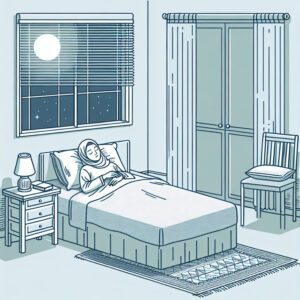
10 Simple Ways to Ensure You Get Good Sleep Every Night
10 Easy Tricks to Enjoy a Great Night’s Sleep
Getting a Grasp on the Basics of Good Sleep
Why Quality Sleep Matters for Your Health
Sleep isn’t just a nightly ritual—it’s the secret sauce for your overall well-being. When you get quality sleep, your body has a chance to repair, manage stress, and keep everything in balance, from memory and focus to your immune system and hormone levels. It’s amazing how much power a good night’s rest holds, yet many of us don’t give it the credit it deserves. Once you understand what good sleep really means, you lay the groundwork for habits that boost your energy and vitality every day.
The Science Behind Catching Those Zzz’s
Think of sleep as a fascinating dance between hormones, brain waves, and your internal clock. Your sleep isn’t a one-note affair—it moves through light sleep, deep sleep, and that magical REM stage when your brain processes memories and emotions. If this cycle gets interrupted, you can end up feeling foggy or even face long-term health risks. Knowing how these stages work not only demystifies sleep but also gives you a leg up in adopting routines that support your body’s natural rhythm.
Spotting Bad Sleep Habits
Sometimes, the first sign that something’s off with your sleep is feeling constantly drained, unfocused, or a bit on edge during the day. If you find yourself tossing and turning, waking up repeatedly, or just not feeling rested when you roll out of bed, it might be time to take a closer look. Keeping a sleep diary or using a modern sleep tracker can help you pinpoint what’s going awry. Once you catch these early signs, you can start making smart changes that lead to the kind of sound sleep your body craves.
Setting Up a Bedroom That Invites Good Sleep
Getting the Lighting and Noise Just Right
Creating a bedtime haven is all about the little details—think soft lighting and minimal noise. A warm, dim glow from a nightlight or soft ambient lighting can help your brain ease into sleep mode without overwhelming your senses. And when it comes to noise, simple tweaks like adding soundproof curtains, a white noise machine, or even rearranging furniture can make a world of difference. These small adjustments transform your room into a peaceful retreat, perfect for sinking into restorative slumber.
Tweaking the Temperature for Better Rest
Don’t underestimate the power of a cool room. Experts suggest that a bedroom temperature between 60 and 67 degrees Fahrenheit works wonders for triggering that sleep response in your body. While a hot room might keep you buzzing, a cool, inviting atmosphere helps lower your core body temperature—a key step in drifting off to dreamland. So, whether it’s a breeze from an open window or a quick tweak to your thermostat, a little chill can go a long way toward a night of uninterrupted sleep.
Clearing the Clutter for a Calm Environment
A clutter-free space does more than please the eye; it sets a peaceful tone that can ease your mind before bed. Tidying up your bedroom isn’t just about aesthetics—it cuts down on stress and creates an oasis where your brain can unwind. Take a few moments to clear out those unnecessary bits and piece together a space that radiates calm. After all, a neat room often mirrors a relaxed mind, and that shift can be the secret to unlocking deeper, more consistent sleep.
Building a Routine That Supports Great Sleep
Stick to a Consistent Bedtime
Consistency is your best friend when it comes to sleep. Establishing a regular bedtime sends a clear message to your body: it’s time to wind down. Whether you’re a morning person or a night owl, sticking to a predictable routine helps sync your internal clock, making it easier to fall asleep and enjoy those essential rest cycles. Even on weekends or during hectic times, keeping a steady schedule can be the game-changer that gives you that refreshing sleep you’re striving for.
Pre-Sleep Rituals That Help You Unwind
Sometimes, all you need is a little ritual to signal that it’s time to relax. Whether it’s curling up with a good book, soaking in a warm shower, or doing some gentle stretching, these small activities pave the way for a peaceful transition from day to night. Lower the lights, play soft music, and let these habits gently remind your body that it’s time to recharge. These soothing routines can set the stage for a night filled with healing, deep sleep.
How Your Diet Can Impact Your Sleep
Snack Smart for Better Sleep
What you eat can seriously influence your sleep quality. Foods like almonds, kiwi, or a comforting glass of warm milk can stir up sleep-inducing hormones such as melatonin and serotonin. Incorporating these snacks into your evening routine can smooth out your transition to sleep, giving your body that little boost it needs to settle down. Delicious and nutritious choices aren’t just good for your body—they can be the key to a night of truly rejuvenating sleep.
Foods That Might Keep You Up
On the flip side, some foods can turn your bed into a battleground. High-sugar treats, caffeinated drinks, or meals loaded with heavy spices might just be the culprits behind restless nights. Fried foods and sizable meals can bog down your digestive system, making it tough to drift off. Watching what you eat, especially as bedtime approaches, is essential. Swap out the late-night snacks that might interfere with your sleep for lighter options that help soothe your stomach and keep your sleep on track.
Timing Your Meals Right Before Bed
When it comes to eating, timing is everything. Ideally, try to wrap up your main meal about two to three hours before you hit the sack. This gives your body ample time to digest and ensures that your metabolism isn’t in overdrive right when you’re trying to wind down. Even a light snack too close to bedtime can kick your metabolism into high gear, making it harder to switch off for the night. Aligning your mealtime with your natural sleep-wake cycle can make the journey to dreamland much smoother.
The Winning Combo: Exercise and Sleep
Exercises That Boost Your Sleep Quality
Regular movement can be a real game-changer for sleep. Activities like brisk walking, cycling, or even a fun dance session not only get your blood pumping but also help wear you out just enough to make falling asleep a breeze. Strength training or even a bit of yoga can ease muscle tension and calm your mind, paving the way for a deeper sleep. It doesn’t have to be a marathon workout session—a bit of daily exercise can set off a positive cycle between staying active and getting some quality rest.
When to Exercise for Optimal Sleep
Timing your workouts right is key if you want to make the most of your sleep. While getting your bodies moving is great, doing intense exercise too near bedtime can leave you buzzing instead of winding down. Experts often say to wrap up vigorous activities at least three hours before bed so your heart and muscles have time to settle. Morning or early afternoon workouts tend to sync best with your natural rhythms, ensuring you’re ready for a peaceful night’s rest.
Navigating Stress for Better Sleep
Relaxation Techniques to Wind Down
Managing stress is crucial for catching quality shut-eye. Simple methods like deep breathing, progressive muscle relaxation, or even a bit of calming music can help you shake off the day’s worries. Even just a few minutes of these practices before bed creates a valuable gap between the hustle of the day and the calmness of night. These techniques lower your stress levels and nudge your mind and body toward the tranquility needed for a restorative sleep.
Meditation and Mindful Practices for Sleep
Beyond the usual relaxation tricks, meditation can work wonders for setting you up for a good night’s sleep. Whether it’s mindfulness exercises or guided sessions, focusing on the present moment can help quiet your thoughts and ease you into a relaxed state. Pair these practices with gentle stretching or ambient nature sounds, and you have a reliable bedtime ritual that paves the way for deep, rejuvenating sleep. Embracing these mindful moments can be a long-term win for your sleep quality and overall health.
Keeping Track of Your Sleep Progress
How to Monitor Your Sleep Trends
Keeping tabs on your sleep can be surprisingly enlightening. Using a sleep journal, wearable tech, or an app to track how long you sleep, how often you wake up, and how rested you feel can reveal patterns and pinpoint areas for improvement. Over time, this record lets you fine-tune your sleep habits so that every night moves you closer to that ideal, restful sleep.
Tweaking Your Sleep Strategies for Consistency
Not every night will be picture-perfect, and that’s okay. If you notice certain tactics aren’t doing the trick, don’t be afraid to mix it up. Maybe the lighting in your room is too bright, or your pre-bed routine needs a little extra love. Experiment with different relaxation techniques, adjust your meal timings, or switch up your exercise schedule until you find the perfect formula for you. This evolving approach not only improves your sleep but also empowers you to take control of your nightly rest.
In a nutshell, getting good sleep isn’t a one-size-fits-all deal—it’s a personal journey that calls for a bit of tinkering along the way. The tips above come from expert advice and real-life experience, covering everything from setting up your room to managing stress and fine-tuning your diet. With small, mindful changes, you can build a routine that delivers night after night of restful, rejuvenating sleep, fueling a healthier, happier life. Remember, every little tweak counts when it comes to nurturing your overall well-being.

Understanding the Benefits of Good Sleep for Your Body
Introduction: Why Good Sleep Is a Game-Changer for Your Body
Sleep isn’t just something we do to pass the night—it’s a vital process that touches every part of our health. And by “good sleep,” we’re talking about more than just hitting your sleep quota; it’s about diving into those deep, restorative stages that let your body and mind bounce back from the day’s hustle and bustle. Whether you’re juggling a hectic career or facing health hurdles, really understanding the value of quality sleep can make a huge difference in your overall well-being. In today’s always-on world, putting sleep first is more important than ever.
So, what exactly is good sleep? At its core, it’s when your body effortlessly moves through its natural sleep cycles, each playing its own important role in keeping you at your best. Good sleep lifts your mood, keeps your brain sharp, and even kick-starts your physical recovery. In this post, we’re going to unpack the many perks of great sleep, share some fun facts, and dig into both the science behind it and practical tips to help you achieve and maintain these healthy habits. So, grab your favorite herbal tea, get comfortable, and let’s dive into the world of better sleep.
What Exactly Is Good Sleep?
Good sleep isn’t a one-size-fits-all deal—it’s a personal experience where your sleep stages sync perfectly with your body’s natural rhythm. Think of it as reaching that sweet spot where your body repairs itself and your mind gets a necessary reboot. Simply put, when you’ve had good sleep, you wake up feeling fresh, alert, and ready to tackle the day. It’s all about depth and consistency, where the interplay between REM and non-REM cycles does more than just leave you feeling rested—it fuels your overall health.
The Role of Good Sleep in Your Overall Health
Good sleep is the bedrock of total wellness. It supports your emotions, sharpens your thinking, and keeps your body in tip-top shape. When you stick to a routine of quality sleep, you’re likely to notice a boost in your mood, a clearer memory, and even a more robust immune system. On the flip side, missing out on sleep can weaken your defenses and invite a host of health issues. In other words, prioritizing good sleep is an investment in a healthier, more energetic future.
Quick Facts About the Benefits of Good Sleep
Did you know that getting regular, quality sleep can ease anxiety, boost your focus, and even lower your risk of heart disease and diabetes? Studies suggest that a good night’s sleep can sharpen your memory and help stabilize your emotions, too. Plus, those deep sleep stages work wonders by kick-starting cellular repair, which reinforces your immune system. Once you start appreciating these perks, you might find that tweaking your bedtime habits leads to some truly amazing improvements in your everyday life.
The Science Behind Good Sleep Patterns
Let’s break it down: while the science of sleep might sound intimidating, it really comes down to a few simple principles that shape our nightly routines. At the heart of it is the cycle of sleep stages and natural biological processes that let our body and mind reset. Our sleep is all about these cycles, each one playing its unique role in repair and rejuvenation. Research over time shows that creating healthy sleep patterns is a blend of both scientific understanding and small lifestyle tweaks.
Decoding Sleep Cycles and Stages
To get a handle on sleep, it helps to think of it in two main camps: REM (rapid eye movement) and non-REM sleep. Non-REM sleep itself has three stages, ranging from light sleep to that deep, restorative slumber we all crave. It’s during those deeper phases that your hormones adjust to kick off tissue repair and growth, while REM sleep is where your brain really fires on all cylinders—linking memories and processing what you learned during the day. A complete sleep cycle lasts about 90 minutes and repeats throughout the night, giving you a full spectrum of benefits.
The Circadian Rhythm: Your Internal Sleep Coach
Ever wonder why you’re wide awake at certain times and ready to doze off at others? That’s your circadian rhythm at work—your body’s internal clock that keeps your sleep schedule on track with the natural rhythm of day and night. This rhythm’s in charge of balancing hormones like melatonin, which is key for sleep. When your internal clock gets thrown off—maybe by irregular bedtimes or too much screen time at night—it can be a real challenge to wind down. Keeping your circadian rhythm in check is key to wrapping up your day with good sleep.
How Quality Sleep Impacts Your Body
The benefits of quality sleep are huge and happen on multiple levels. Every time you drift off into deep, good sleep, your body gets busy repairing muscles, fixing tissues, and even recharging your brain. This is why a solid night’s sleep is often touted as nature’s medicine. Whether you’re bouncing back from a minor injury, gearing up for a big day, or simply warding off a cold, good sleep is your trusty sidekick. It not only helps with physical repairs but also gives your brain a chance to organize memories and thoughts, leaving you more focused and emotionally balanced.
Mental Health Benefits of Good Sleep
When it comes to mental health, sleep is a real MVP. A good night’s sleep can make you more resilient in the face of stress and lighten your emotional load. It keeps your mood steady and makes those everyday challenges feel a bit more manageable. In fact, emerging research suggests that consistently prioritizing good sleep might even help lower the risk of depression, anxiety, and other mood disorders. Simply put, the time you spend sleeping is as vital for your mental clarity as it is for your physical recovery.
How Good Sleep Helps With Emotional Balance
There’s something magical about a calm, well-rested mind. When you get enough good sleep, your brain becomes a pro at processing emotions, which can help ease irritability and anxiety. It’s almost like your mind takes a nightly reset, clearing out emotional baggage and stress so you can wake up with a lighter, more balanced outlook. Think of it as an overnight therapy session that leaves you better equipped to handle whatever life throws your way.
Lowering Stress with a Solid Night’s Sleep
We all experience stress, but quality sleep can be a real game-changer in managing it. Research shows that folks who consistently sleep well tend to have lower levels of cortisol, the stress hormone. Less stress means not only a better mood but also improved mental clarity and a more resilient immune system. It’s a win-win: good sleep lowers stress, which in turn helps you face your day with more energy and a clear head.
Boosting Your Brainpower Through Good Sleep
Ever notice how a great night’s sleep makes you feel super sharp? That’s because quality sleep is crucial for optimal brain function. Whether it’s improving memory, enhancing problem-solving skills, or fueling creativity, a well-rested brain is better equipped to handle life’s daily challenges. As you progress through different sleep stages, your brain works to consolidate memories and organize thoughts, paving the way for more efficient learning and decision-making. In essence, a mind that gets enough rest is one that’s primed for success.
Physical Health Benefits of Good Sleep
We often think of sleep as just a mental refresher, but its physical perks are just as impressive. Good sleep is like a natural multivitamin for your body—it boosts your immune system, balances hormones, and even supports a healthy heart. When you stick to a routine that honors quality sleep, you’re giving your body the chance to reset and recover. This holistic boost can help you fend off illnesses and dramatically improve your quality of life.
Strengthening Your Immune System Through Good Sleep
Your immune system thrives on a solid balance, and good sleep plays a huge role in keeping it that way. During those deep sleep phases, your body ramps up production of cytokines—proteins that help fight infections and inflammation. When sleep gets cut short, you can miss out on these critical defenses, making you more vulnerable to sickness. That’s why many health experts insist that if you’re serious about staying healthy, a night of quality sleep should be high on your list.
Keeping Your Weight in Check with Quality Sleep
Believe it or not, the secret to managing your weight might be hiding in your sleep patterns. Studies have found that those who consistently get good sleep are less likely to face hormonal imbalances that spur excessive hunger and cravings. Inadequate sleep can throw off hormones like ghrelin and leptin, which keep your appetite in check. But with regular, quality sleep, your body is better at regulating these hormones, making it easier to stick to a healthy weight. In short, a steady sleep schedule can be a natural partner in managing your weight.
Supporting a Healthy Heart Through Restorative Sleep
Your heart benefits enormously from good sleep too. Quality sleep helps balance blood pressure and reduce inflammation—two key factors in keeping your heart healthy. While you’re in the land of dreams, your body gets a chance to repair blood vessels, regulate cholesterol, and stabilize overall heart function. With numerous studies linking consistent sleep with a lower risk of heart disease, it’s clear that a peaceful night’s sleep is one of the best ways to show your heart some love.
Good Sleep’s Role in Recovery & Healing
Whether you’re bouncing back from an injury or pushing through a tough workout, recovery is essential—and good sleep is the secret sauce to that process. When you settle in for the night, your body shifts into repair mode: cells regenerate, tissues mend, and energy reserves get a much-needed top-up. This restorative process isn’t just for those healing from illness; athletes, too, rely on quality sleep to recover and perform at their peak. In every case, the link between sleep and recovery underscores just how crucial a solid sleep routine is.
Cellular Repair in Action During Sleep
Picture your body running a nightly repair workshop—that’s what happens during deep sleep. Your cells work overtime to fix and regenerate damaged tissues, helping to counteract the wear and tear of daily life. Think of it as a nightly tune-up that keeps your muscles, hormones, and overall health in check. Making sure you get enough good sleep means you’re giving your body the opportunity to do its essential repair work.
How Good Sleep Boosts Athletic Recovery and Performance
For anyone involved in sports or fitness, sleep is a key player in performance. Even slight interruptions in your sleep can throw off your strength, agility, and precision. A full night of quality sleep not only helps your body bounce back from physical exertion but also builds up your stamina for future challenges. Whether you’re training for a marathon or just hitting the gym, committing to good sleep can give you that extra edge—making you stronger, leaner, and less injury-prone.
Lowering Chronic Disease Risk with Consistent Quality Sleep
It turns out that many chronic diseases, like diabetes, obesity, and heart disease, have a sleep connection. Establishing a routine that guarantees quality sleep can act as a powerful shield against these long-term health issues. With every night of restorative sleep, your body gets the chance to balance hormones, slash inflammation, and even stabilize blood sugar levels. Embracing a habit of good sleep is a proactive way to lower your risk and set the stage for healthier days ahead.
Navigating Common Barriers to Achieving Good Sleep
Despite knowing how crucial good sleep is, many of us run into hurdles that keep us from truly restful nights. These challenges often come courtesy of our busy lives—ranging from everyday stress to an environment that just doesn’t support a good night’s snooze. Recognizing these obstacles is the first step in crafting strategies that help you reclaim those precious hours of quality sleep.
Everyday Habits That Can Sabotage Your Sleep
Modern life is full of habits that can mess with your sleep without you even noticing. Erratic sleep schedules, too much caffeine, and heavy meals late in the day can all throw your natural rhythm off-kilter. Even stress and a lack of movement play a part in disrupting your sleep cycles. By spotting these habits and making small changes, you can start paving the way toward more consistent, restorative sleep.
How Your Environment Can Make or Break Sleep
Your bedroom should be your sleep sanctuary, but sometimes external factors—like noise, harsh lighting, or awkward temperatures—get in the way of a restful night. By paying attention to details like comfortable bedding, blackout curtains, and a quiet, cool room, you can create a space that naturally invites sleep. Often, it’s the simplest tweaks that can lead to a big improvement in how well you sleep.
Overcoming Anxiety and Stress to Enjoy Better Sleep
Anxiety and stress can be major sleep thieves, with your mind racing through worries when you really need to wind down. Simple pre-bed rituals like reading, meditating, or listening to soft music can help shift your focus and calm your mind. Over time, these practices can ease anxiety, paving the way for more peaceful, restorative sleep—and a more energized start in the morning.
Strategies to Achieve and Maintain Good Sleep
Now that we’ve covered the benefits and common pitfalls of sleep, let’s talk about actionable strategies to improve it. The goal isn’t to completely overhaul your life overnight; it’s about making small, manageable changes that collectively boost your sleep quality. From solid sleep hygiene practices to creating a bedroom that’s tailor-made for rest, these tips are about setting the foundation for a much better sleep routine.
Building a Strong Foundation with Sleep Hygiene
It all starts with good sleep hygiene—establishing a steady routine that signals it’s time to wind down. This might involve setting a consistent bedtime, keeping screens at bay an hour before sleep, or establishing calming pre-bed rituals like a warm bath or a bit of light reading. These routines can help regulate your body’s clock, signaling that it’s time to settle in for a good night’s rest. It’s all about consistency; little tweaks that add up to big benefits over time.
Creating a Bedroom That’s a Sleep Haven
Think of your bedroom as your own personal retreat—a place designed specifically for rest. To optimize sleep, focus on cutting out distractions and dialing up comfort. This might mean investing in quality bedding, using blackout curtains to shut out unwanted light, or even trying out white noise to drown out disruptive sounds. Keeping your room at a cool, comfortable temperature can work wonders, too. When your sleep environment is on point, you’re setting yourself up for deeper, more refreshing slumber.
Managing Technology for Better Sleep
We live in a digital world, and while technology keeps us connected, its blue light can really mess with our sleep hormones. A simple fix? Give yourself at least an hour away from screens before bed. Instead of scrolling through your phone, try picking up a book or doing some gentle stretches. By taking control of your tech habits, you can reduce sleep disruptions and pave the way for a more consistent, quality sleep.
Conclusion: Embracing the Power of Good Sleep
In the end, good sleep isn’t just a nightly routine—it’s a cornerstone of a healthy, balanced life. From bolstering mental clarity and emotional resilience to boosting physical recovery and overall health, the benefits are hard to ignore. By making small adjustments to your habits, environment, and routines, you can unlock the transformative power of quality sleep. So why not start tonight? Embrace these insights, and let every night be a step toward a healthier, happier you.