


How Poor Sleep Hygiene Worsens Sleep Issues
Introduction to Poor Sleep Hygiene and Its Role in Sleep Issues
You might not realize it, but our everyday habits—what we call sleep hygiene—play a huge role in how well (or poorly) we sleep. Simply put, sleep hygiene is all about the routines and little behaviors that are supposed to boost our sleep quality. When those routines go off track, sleep problems can sneak up on us. In our whirlwind modern lives, it’s more important than ever to see how our daily routines can mess with our snooze time. In this post, we’re unpacking the messy impact of poor sleep hygiene on our nights, digging into how our surroundings, behaviors, and even our tech habits can throw off our sleep cycles.
From tossing and turning at night to waking up over and over again, sleep troubles are now a common gripe. With our deep reliance on gadgets and the relentless pace of modern living, the solid sleep patterns we once knew are rapidly changing. Here, we start a journey to reframe sleep hygiene as the backbone of good sleep health. We’ll look at how everyday stresses, environmental factors, and digital distractions all tie together to worsen sleep troubles, paving the way for a deep dive into this pervasive issue.
This article is all about shedding light on the many angles of sleep problems by highlighting the everyday habits that plant the seeds for these issues. We'll touch on how our modern lives contribute to these disturbances, the hit our irregular sleep schedules take, and the growing intrusion of digital devices in our winding-down time. So, sit back, relax, and get ready to see why dialing up our sleep hygiene could be the ticket to better, more restorative sleep.
The Impact of Poor Sleep Hygiene on Sleep Issues
Ever wonder why an overly bright room, constant street noise, or even a lumpy mattress can wreck your sleep? Turns out, all those little details matter. In our urban jungles, even minor environmental annoyances can trigger a domino effect of sleep problems. And before you know it, those nightly disturbances add up to chronic issues that hit both our body and mind hard.
The hustle and bustle of today’s lifestyle only makes it trickier. Stress has become a constant companion for many, making it incredibly hard to “switch off” when bedtime rolls around. Pair that with erratic sleep routines and the lure of endless digital screens, and you’ve got a vicious cycle: a night of tossing and turning followed by a groggy, sluggish morning.
And let’s not forget technology. Our bedrooms have turned into mini control centers, bombarded with the blue glow of smartphones, tablets, and TVs. This blue light messes with melatonin—a key hormone for sleep regulation—making it harder to get that deep, restorative sleep we need. In a nutshell, our high-tech lifestyles are unintentionally waging war on our sleep.
Health Consequences Stemming from Sleep Issues
If you’re battling sleep issues lately, you might notice fatigue creeping into your day, making it tough to focus or even stay awake without a nap. It’s not just about feeling a bit tired—the lack of quality sleep can make you irritable, lower your cognitive sharpness, and even drag down your mood, which in turn hinders productivity both at work and at home.
On top of those immediate setbacks, long-term sleep problems can open the door to serious health risks. Chronic sleep deprivation has been linked to heart problems, diabetes, and even mental health issues like anxiety and depression. Hormonal imbalances triggered by poor sleep can also lead to a heavier waistline. Over time, the toll on your overall health can be staggering, making it clear that improving your sleep routine isn’t just a luxury—it’s a necessity.
Even the immune system isn’t immune! Poor sleep can quietly weaken your body's defenses, leaving you more vulnerable to infections and illnesses. When you consider it all, the message is clear: taking steps to boost your sleep hygiene can be a real game changer for your overall well-being.
Behavioral Patterns Linking Sleep Hygiene and Sleep Issues
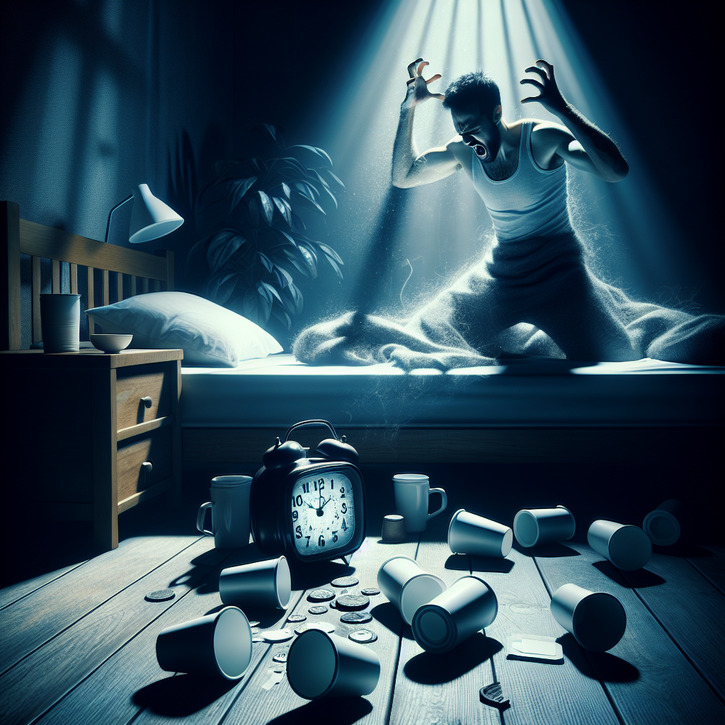
Sometimes, the habits we take for granted can sabotage our sleep without us even noticing. Routine behaviors like irregular bedtimes or an overdependence on caffeine might seem harmless, but they can gradually throw off your body’s natural clock. Remember that feeling of staying up too late one night and dragging yourself out of bed the next morning? That’s a gentle reminder of how small deviations can snowball into bigger sleep disruptions.
Messy and inconsistent sleep patterns confuse your internal clock, making it tough for your body to know when to wind down. Even if you occasionally manage to fall asleep quickly, those erratic routines undermine the restorative sleep you need. Spotting these patterns is the first step toward crafting a healthier sleep routine.
Recognizing the Signs of Sleep Issues
Before you can fix a problem, you’ve got to know it exists. Common red flags like endless fatigue during the day, constant yawning, and a hard time falling or staying asleep might seem like just another part of our busy lives—but they’re often signals of deeper sleep issues.
When poor sleep hygiene is at work, everyday routines like too much screen time, irregular sleeping hours, or even a less-than-comfortable sleeping setup show up as clear signs of trouble. These symptoms can creep up slowly, making it easy to miss the connection until things really start to unravel. By staying aware of these early warning signs—like that persistent fogginess or lack of focus—you can take steps to tweak your routine and put yourself back on track.
Strategies for Managing and Overcoming Sleep Issues
In today's hectic world, finding practical methods to manage sleep troubles is a must. Many people have discovered that simple home remedies can work wonders: think of calming practices like mindful meditation, a soothing cup of herbal tea, or some soft, relaxing music before bed. Even something as straightforward as getting natural sunlight during the day can help set your internal clock right and boost sleep quality.
Sometimes though, you might need a little expert advice. If sleep problems have been a long-standing nemesis, consulting a sleep specialist could make all the difference. Treatment options like cognitive-behavioral therapy for insomnia (CBT-I) offer tailored strategies to tackle both poor sleep hygiene and the underlying stress or anxiety that can fuel these issues. The bottom line: combining home remedies with professional guidance can be your best bet in breaking the cycle of restless nights.
Preventative Measures for Improved Sleep Hygiene and Reduced Sleep Issues
One of the best defenses against sleepless nights is establishing a solid bedtime routine. Simple rituals—like winding down with a book, dimming the lights, or doing a bit of gentle stretching—send a clear signal to your body that it’s time to relax. Keeping things consistent, even on weekends, can go a long way in stabilizing your sleep cycles and warding off disruptions.
Another crucial tip is to create a sleep-friendly environment. This means crafting a bedroom that's dark, quiet, and super comfy. Investing in good bedding, adjusting the room temperature, and even cutting down on screen time by opting for blue light filters in the evening can collectively create a haven for sleep. When your space supports your sleep routine, your body can finally switch into that deep, restorative mode it’s been craving.
Defining Poor Sleep Hygiene and Sleep Issues
Before we dive any deeper, let’s break down what we mean by poor sleep hygiene and sleep issues. Poor sleep hygiene covers all the habits that rob you of quality sleep—from inconsistent bedtime routines and too much blue light to simply not giving yourself time to unwind. Sleep issues, on the other hand, are the struggles you might experience when trying to fall asleep, stay asleep, or get that deep, refreshing sleep your body craves. Put together, these concepts help us see just how tightly woven our daily habits are with our overall sleep health.
The conversation doesn’t stop at slapping labels on the problem, though. It’s about understanding the delicate dance between our daily actions and the quality of our nights. Our bodies thrive on routine, and straying from these patterns can set off a host of disturbances—from trouble dozing off to missing out on REM cycles that are crucial for our overall mood and mental sharpness.
How Modern Lifestyles Contribute to Sleep Issues
Let’s face it: modern life is a bit of a juggling act. With work deadlines, endless emails, and social media scrolling well into the night, it’s no wonder that our sleep gets thrown off balance. The constant digital buzz and the never-ending to-do list create a perfect storm for sleep issues.
City life, with its persistent noise, glaring lights, and busy social scenes, only adds fuel to the fire. The nonstop stimulation leaves little room for the quiet, peaceful moments our bodies need before bed. While technology brings us countless benefits, it also presents new challenges to maintaining solid sleep hygiene. Recognizing these modern stressors is the first step in figuring out how to push back against them and reclaim our much-needed rest.
Overview of the Blog Post Focus
This post is your deep-dive guide into the tangled relationship between poor sleep hygiene and those pesky sleep issues. We’ll navigate through factors like our environment, everyday stress, tech habits, and behavior patterns, showing how they all contribute to a lack of quality sleep. Expect a rundown of both the short-term annoyances and the long-term health risks, as well as some real-world strategies you can start using tonight to boost your sleep quality.
Written in a friendly, down-to-earth style, this post aims to connect with anyone who’s ever tossed and turned, whether you’re new to the concept or have been wrestling with sleep issues for years. By sticking to proven principles of good sleep hygiene, you can take a proactive step toward better nights and brighter mornings. Let’s work together to break free from the grip of insomnia and step into a more rested, balanced life.
Environmental Factors Worsening Sleep Issues
Your sleeping space really matters more than you might think. It’s amazing how subtle details—like too much artificial light, low-level ambient noise, or even a less-than-ideal bed—can slowly chip away at your sleep quality. Sometimes, it isn’t dramatic changes you need, but just a few tweaks to create the perfect sleep-friendly environment. A cozy, dark, and quiet room sets the stage for that deep, refreshing sleep your body craves.
The good news? Many environmental disruptions are easy to fix. Whether it means pulling in some blackout curtains, investing in a white noise machine, or simply cooling down your room, even small changes can make a huge difference. Tweaking these factors is a manageable step in reclaiming a good night’s sleep.
Stress and Disruption of Sleep Issues
Stress is one sneaky culprit behind sleep issues. Whether it’s work, family, or just the general chaos of day-to-day life, when our minds are racing with worries, it’s hard to relax enough for sleep. Those intrusive thoughts can turn bedtime into a battle, keeping you stuck in a state of overdrive when all you really need is a chance to unwind.
When stress sticks around, it keeps your body in a constant state of alert by pumping out cortisol—often dubbed the stress hormone. This not only messes with your natural sleep cycles but also throws melatonin production off balance, making it even tougher to drift off. Integrating techniques like meditation, relaxation exercises, or talking to a professional can help lighten that load, paving the way for better sleep hygiene and a smoother transition to dreamland.
The Role of Technology in Aggravating Sleep Issues
There’s no denying that technology is a double-edged sword. While gadgets make our lives easier, their pervasive glow can easily sabotage our sleep. The blue light from smartphones, laptops, and TVs sends the wrong signals to your brain, disrupting the production of melatonin (that vital sleep hormone) and keeping you wired long into the night.
It’s not just about the lights either—the endless scroll through social media, emails, and texts can leave your mind buzzing when it should be winding down. Setting boundaries around technology use, like switching off devices at least an hour before bed or using a nighttime mode, can help restore a healthier balance between digital life and sleep.
Short-Term Effects of Sleep Issues on Daily Life
A bad night’s sleep isn’t just a minor inconvenience—it can throw your whole day off balance. If you wake up feeling groggy, unfocused, or snappy, you know how much even one restless night can mess with your mood and productivity. Everyday tasks can feel uphill when your energy levels are shot, and it’s that ripple effect that makes sleep issues so troublesome.
We often downplay how one disrupted night can snowball into overall frustration and reduced cognitive performance. From mood swings to a general feeling of lethargy, the short-term effects are a stark reminder of just how vital a good night’s sleep is. Recognizing these signs early on can be key to rethinking your sleep habits before the cycle intensifies.
Long-Term Health Risks Associated with Sleep Issues
Over time, the toll of chronic sleep issues goes far beyond just feeling tired. Long-term sleep deprivation has been linked with serious health conditions like heart disease, high blood pressure, diabetes, and even obesity. It’s a stark wake-up call: consistently poor sleep can seriously undermine your overall health and even shorten your lifespan.
Environmental Factors Worsening Sleep Issues (Continued)
Your sleep environment plays a starring role in whether you drift off soundly or lie awake tossing and turning. Even small environmental nuisances—like a bit too much light from outside, background noise, or an uncomfortable setup—can silently erode your ability to fall and stay asleep. Create your own little sanctuary by addressing these disruptions, and you might find that quality sleep isn’t as elusive as it once seemed.
Stress and Disruption of Sleep Issues (Continued)
When stress becomes a constant companion, it can seriously derail your sleep. The constant release of cortisol from ongoing stress not only ruins your nightly relaxation but also keeps your body from producing the right balance of sleep hormones. It’s a vicious cycle—stress leads to poor sleep, and poor sleep just ramps up your stress even more. Breaking that cycle, even with small mindfulness practices or professional help, can really pave the way to better sleep.
The Role of Technology in Aggravating Sleep Issues (Continued)
Technology's grip on our lives doesn't end when the sun goes down. The constant pings from our devices and the lure of digital entertainment can easily keep our brains in an active state, making it hard to switch off and settle into sleep. By setting boundaries like digital curfews or using blue light filters, you can gradually reclaim your bedtime and steer your brain back towards a rest-friendly mode.
Short-Term Effects of Sleep Issues on Daily Life (Continued)
Even one rough night can turn everyday life upside down. You might find that a bit of irritability, difficulty concentrating, or a sluggish start to the day isn’t just a minor inconvenience—it’s a sign that your sleep isn’t doing you any favors. The effects can ripple through your daily routine, turning even simple decisions into challenges.
Long-Term Health Risks Associated with Sleep Issues (Continued)
Keep in mind that those nightly disruptions can add up over time, dramatically increasing your risk of serious health issues. Chronic sleep deprivation not only saps your energy but also raises the odds of developing conditions like cardiovascular disease, diabetes, and even mental health disorders. The cumulative health risks underscore why a solid sleep routine isn’t just about feeling refreshed—it’s a cornerstone of long-term wellness.