


Living with Sleep Issues: Tips for Better Rest

A Fresh Take on Sleep Troubles
So, What Exactly Are Sleep Issues?
Ever find yourself tossing and turning, struggling to catch those crucial Z’s? Sleep issues come in all shapes and sizes, from having a hard time drifting off to waking up over and over again during the night. They’re something people around the world deal with daily, and let me tell you, they can really throw a wrench into your overall quality of life. More often than not, these disturbances are the result of a mix of factors that, once understood, can give you the power to make some real changes. Whether you’re dealing with a minor hiccup or a full-blown sleep pattern that messes with your day-to-day energy, recognizing the signs is the first step toward reclaiming that solid, refreshing sleep everyone craves.
How Sleep Issues Can Upend Your Day
When sleep problems stick around, they tend to spread their influence into practically every corner of your day. Imagine trying to focus at work, navigating mood swings, or even feeling like your personal relationships are taking a hit—all because of a sleepless night. Lack of quality rest can trap you in a vicious cycle of fatigue and stress, shaking both your physical health and mental well-being. Getting a grip on how deeply these issues run is vital because it shows just how important it is to nip them in the bud. With some tweaks to your routine, environment, and overall habits, you can slowly but surely turn that tide, regaining balance and feeling more energized each day.
Catching the Early Red Flags
It all starts with keeping an eye out for those early warning signs. Maybe you’re finding it hard to fall asleep, or you keep waking up throughout the night—even if you’re sinking into bed on time. Sometimes, you might wake up feeling like you haven’t gotten any rest at all, and on top of that, you could notice that your mood, memory, or even your appetite is off-kilter. These subtle signals are your body’s way of waving a little flag, letting you know it needs a change. By noticing these hints early on, you can start tweaking your daily routines, possibly consult a professional, or even try out some relaxation techniques to help set you up for a sounder sleep cycle before things spiral.
Diving Into the Causes of Sleep Struggles
How Your Lifestyle Might Be Messing With Your Sleep
Did you know that your day-to-day habits can be a major culprit behind your sleep issues? It turns out that irregular sleep patterns, too much screen time before bed, and even that extra cup of coffee or glass of wine in the evening can throw off your body’s natural rhythm. And it doesn’t stop there—your level of physical activity and sometimes even an erratic work schedule can further muddy the waters. For many of us, the key to better sleep is to pinpoint these traps and gradually start shaking them off. Setting up a balanced routine, where you nourish your body with good food, get moving, and give yourself that well-deserved wind-down time, can really help sync up your sleep-wake cycle with your inner clock.
When It’s More Than Just Habits: Psychological and Medical Factors
Of course, sleep issues aren’t just about lifestyle. Sometimes our minds and bodies have deeper stories to tell. For instance, anxiety, depression, or stress can make falling and staying asleep a real battle. And let’s not forget some underlying medical conditions—think thyroid disorders or chronic pain—that can also be major sleep disruptors. It’s important to remember that these challenges aren’t always about what you do; they can also be about what’s happening inside you physically and emotionally. By recognizing these deeper factors, you can better target the root causes of your sleep troubles and decide whether it might be time to reach out for professional help or adjust your self-care routine.
Small Environmental Tweaks for Big Sleep Gains
Ever noticed how your surroundings can make or break your sleep? A room that’s too bright, noisy, or even just not the right temperature can seriously mess with your sleep cycle. Both natural and artificial light can trick your brain into thinking it’s still daytime, making that sweet sleep harder to come by. The good news? By crafting a bedroom that’s cool, dark, and quiet—maybe with the help of blackout curtains or a white noise machine—you’re setting yourself up for a much more peaceful night. It’s all about creating that perfect sleep haven where your body knows it’s time to relax and recharge.
Getting a Handle on Your Sleep: Diagnosis and Self-Assessment
Checking Your Own Sleep Patterns
It might sound a bit simple, but keeping tabs on your sleep habits can be a real game-changer. Think about jotting down when you head to bed, when you wake up, and any night-time disturbances you notice. This kind of sleep diary is a goldmine when it comes to spotting recurring issues—whether you’re having trouble settling in or find yourself waking up too often. Plus, having a written record is super handy when you decide to chat with a healthcare pro. It’s all about empowering yourself with insights that can lead to more targeted, effective solutions.
The Perks of Professional Sleep Studies
Of course, self-tracking is great, but sometimes you need a little extra help. That’s where professional sleep studies come in handy. These in-depth evaluations, usually done at a specialized sleep center, keep tabs on everything from your brainwaves to your heart rate and breathing patterns while you sleep. They can uncover hidden issues like sleep apnea or restless leg syndrome—things you might not catch on your own. Working alongside medical experts means you get a diagnosis that fits your unique situation, opening the door to tailored treatments that really hit the mark in breaking that frustrating cycle.
Simple Lifestyle Tweaks to Improve Your Sleep
Making Your Bedroom Work for You
Imagine if your bedroom was not just a place to crash, but a sanctuary for sleep. You can start by setting the right atmosphere—think reducing noise, calming colors, soft lighting, and comfortable bedding that feels just right. Many folks swear by a little touch of aromatherapy too, like a whiff of lavender, to help signal to your mind and body that it’s time to chill out. With just a few adjustments to your sleep space, you’re paving the way for a consistent, deep sleep that feels almost effortless.
New Daily Routines That Help You Hit the Sack
Your everyday habits play a huge role in how well you sleep. Establishing a calming pre-bedtime routine that might include reading, gentle stretching, or a warm bath can really ease the transition to dreamland. Even small changes—like powering down your devices an hour before bed or taking a few minutes for meditation—can do wonders. These simple rituals not only set the stage for a smoother bedtime but also train your body to recognize when it’s time to wind down, gradually reducing those pesky sleep disturbances.
Why a Solid Routine Is Your Best Friend
There’s a magic in routine when it comes to sleep. Sticking to a consistent sleep schedule—even on those tempting weekends—helps lock in your body’s internal clock, making it easier to drift off and wake up naturally. A steady routine can provide a soothing sense of predictability, easing anxiety and making it less likely that stress will keep you up at night. The trick is to find that sweet spot between being flexible and keeping consistent, so your evenings become a well-oiled process that promotes rejuvenating sleep and boosts your daytime performance.
Natural Ways to Tackle Sleep Troubles
Herbal Remedies: Nature’s Sleep Helpers
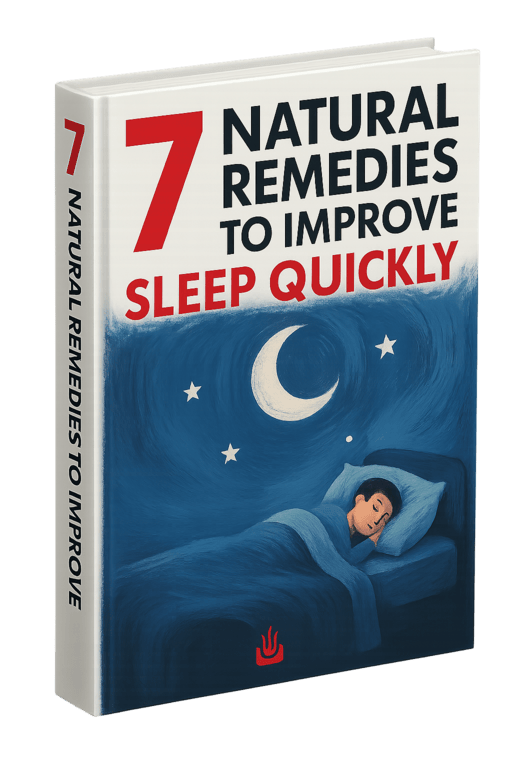
For centuries, herbs like chamomile, valerian root, and passionflower have been trusted allies when it comes to calming the mind and body for a good night’s sleep. Often taken as teas or supplements, these natural remedies gently coax your body into relaxation, without some of the side effects that heavier medications might bring along. Many find that weaving these herbs into their evening routine helps soothe stress and pave the way for a smoother transition into sleep. Of course, before diving in, it’s wise to check with a healthcare provider to make sure they’re a fit for your wellness plan.
The Power of Mindfulness and Meditation
If you haven’t already explored mindfulness and meditation, they’re definitely worth trying for sleep issues. Techniques like deep breathing, progressive muscle relaxation, or even guided imagery can work wonders by quieting that busy mind and easing bodily tension. Just a few minutes each evening of dedicated mindfulness can help sweep away the stress of the day and create a mental space that welcomes sleep. Over time, these practices don’t just lead to better sleep but also help build a resilient mindset that can handle life’s curveballs more smoothly.
Eating Your Way to Better Sleep
Believe it or not, what you eat can heavily influence how you sleep. Incorporating foods that are rich in magnesium, tryptophan, and melatonin—like bananas, almonds, or even a cozy warm glass of milk—can nudge your body into producing its natural sleep aids. On the flip side, cutting back on stimulants like caffeine or high-sugar snacks, especially later in the day, can really help maintain your energy balance through the night. Pairing mindful eating with other good sleep habits can set the stage for a much more restorative sleep cycle.
When It’s Time to Consider Medical Help
OTC and Prescription Options: A Quick Fix?
Sometimes, despite all our best efforts with natural remedies and lifestyle tweaks, sleep issues just won’t budge. In these cases, a healthcare provider might recommend over-the-counter sleep aids or even prescription medications to give you that jumpstart back to a healthier sleep routine. These options are generally meant to be used as short-term assists while you work on the underlying issues. It’s super important to have an honest chat with your doctor about the benefits and risks, as well as the correct dosages. Combining these medications with non-drug approaches can help you tackle both the symptoms and the root causes of your sleep problems.
Behavioral Therapies: Changing the Way You Think About Sleep
If medications aren’t your cup of tea, behavioral therapies—like cognitive behavioral therapy for insomnia (CBT-I)—offer an effective alternative. These therapies dig into the thought patterns and habits that may be sabotaging your sleep and help you reshape them. Through guided sessions, whether face-to-face or online, you learn strategies to manage stress, adjust your sleep-related behaviors, and eventually secure a deeper, more consistent sleep. The beauty of behavioral therapy is that it addresses the psychological side of sleep issues, giving you long-term tools to improve your nightly rest.
Long-Term Strategies for Better Sleep
Keeping Track and Tweaking Along the Way
Dealing with sleep issues isn’t a “set it and forget it” situation. It requires a proactive, flexible approach. Keeping detailed notes on your sleep patterns, what remedies you’ve tried, and how you feel during the day can be incredibly helpful. Regular self-checks—and discussions with your doctor—can reveal if your current strategy is working or if it needs a little adjustment. Embracing a mindset of constant improvement means staying in tune with your body’s signals and being ready to make changes as needed. This ongoing process is key to building a sleep routine that really sticks.
Building Lasting Sleep Rituals
Creating sustainable sleep routines is really the heart of long-term success in managing sleep issues. It’s all about forming a daily structure that respects your body’s natural rhythm. Start small—set a regular wake-up time, incorporate calming pre-sleep practices, and tweak your environment so it radiates tranquility. Patience is key here, as lasting change takes time. Once these habits become part of your everyday life, you might just find yourself drifting off effortlessly night after night. This steady rhythm not only tackles your current sleep troubles but also builds a buffer against future disruptions.
To wrap it up, battling sleep issues is a multifaceted journey that blends lifestyle tweaks, natural remedies, and sometimes professional care. Whether you’re fine-tuning your environment, revamping your daily habits, or diving into behavioral therapies and medical options, every little step can help you move toward deeper, more restorative sleep. This journey is uniquely yours—each positive change you make brings you a bit closer to nights of peaceful rest and days brimming with vitality.
At the end of the day, quality sleep isn’t just a dream—it’s totally within reach. Equip yourself with the right knowledge, don’t hesitate to consult the pros when needed, and remember that even small adjustments can have a huge impact over time. Overcoming sleep challenges is a powerful testament to prioritizing your overall well-being, paving the way for a healthier, more vibrant life. While sleep issues might be a part of your story, they don’t have to define it.