


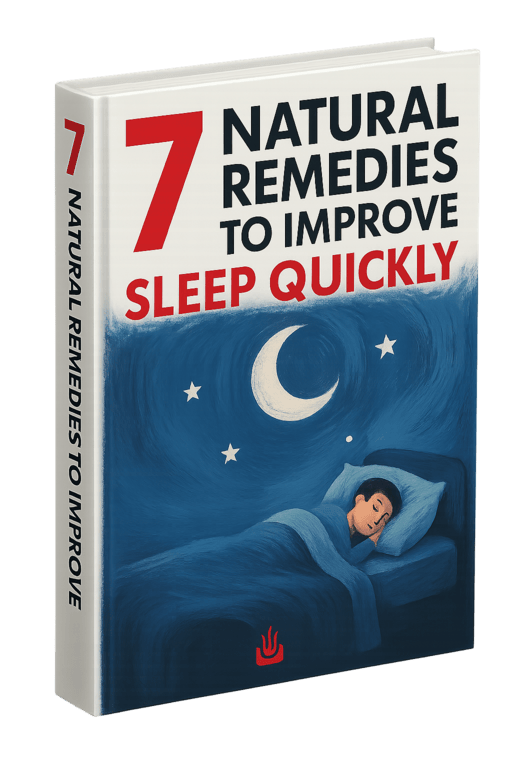
Sleep Issues? Tips for Better Night’s Sleep

Struggling with Sleep? Let’s Chat About Getting a Better Night’s Rest
What Exactly Are Sleep Problems?
In our whirlwind modern lives, sleep problems have become all too common, affecting people from all walks of life. When we say “sleep issues,” we’re talking about those nights when falling asleep, staying asleep, or even feeling truly rested in the morning just isn’t happening. It’s more than just feeling groggy—persistent sleep troubles can disrupt your day-to-day routine, work performance, and overall vibe on life. Over time, even little hiccups can snowball into bigger health headaches. With our ever-increasing screen time, jam-packed schedules, and constant stress, it’s no wonder sleep issues are on the rise. In this chat, we’ll break down what sleep issues really are, why they pop up, and the early warning signs so you can catch them before they take over.
At its core, understanding sleep issues means recognizing a whole range of symptoms—whether it’s tossing and turning, waking up repeatedly, or just not feeling refreshed after sleep. You might also notice being extra cranky, having trouble focusing, or feeling more anxious than usual. Over time, these sleep setbacks can hit both your body and your mood hard. Spotting these signs early on is key—it empowers you to make changes or get some expert advice.
Defining Sleep Troubles
Essentially, when we talk about sleep troubles, we’re referring to challenges that stop you from getting that deep, restorative sleep your body craves. This could be anything from classic insomnia and sleep apnea to restless leg syndrome or periodic limb movement disorder. Although “sleep issues” might sound like a catch-all phrase, the specific conditions vary widely in how severe they are and how much they disrupt your life. What they all share, though, is their impact on the quality of your sleep—and ultimately, your overall health. Knowing the ins and outs of these conditions can help you figure out if you need to tweak your lifestyle or seek professional help.
How Common Are Sleep Problems?
Believe it or not, sleep problems are far from rare. Studies show that a lot of adults deal with some form of sleep disruption at some point. Whether it’s a temporary thing caused by stress or environmental shifts—or a chronic issue hinting at an underlying health concern—the struggle is real. With the younger crowd constantly glued to their devices, sleep issues seem to pop up even more frequently. By opening up the conversation about sleep problems, we can better support each other with the right advice and treatments.
Spotting the Early Signs of Sleep Troubles
Catching sleep problems early can make a world of difference. Maybe you notice it’s becoming harder to fall asleep, or you wake up many times during the night. Perhaps your sleep is restless, or you’re dragging through the day feeling unmotivated. Some might even experience mood swings or struggle to focus on work or school tasks. These are your body’s way of saying, “Hey, something’s off!” Keeping an eye on these patterns can help you make timely tweaks—be it adjusting your sleep environment or chatting with a professional.
What’s Causing Your Sleep Issues?
Pinning down the culprits behind sleep problems isn’t always straightforward—they’re usually a mix of several factors rather than just one. Noisy surroundings, an uncomfortable bedroom, or even a hectic lifestyle can all conspire to rob you of quality sleep. From what you eat and how active you are, to the amount of screen time you get, our daily habits play a huge role. And sometimes, medical conditions or medications can be part of the equation. Understanding what’s going on is the first step in crafting a plan to fight back against your sleep troubles.
How Your Environment and Lifestyle Impact Your Sleep
It might sound cliché, but your surroundings and habits really do matter when it comes to sleep quality. Whether it’s the brightness in your room, the buzz of street noise, or even that less-than-perfect mattress, every little detail counts. Over time, these factors can build up, making your brain associate your bedroom with being wide awake. Add irregular work hours, a heavy dose of caffeine, or scrolling on your phone before bed, and you’ve got a recipe for disruption. Tweaking your environment and routine, even in small ways, can be a real game-changer.
When Medical Conditions Disrupt Your Sleep
Sure, lifestyle factors can wreak havoc on your sleep, but don’t discount the medical side of things. Conditions like sleep apnea, chronic pain, depression, and hormonal imbalances can seriously interfere with your nightly rest. Even diabetes or heart problems have been linked to sleep disturbances. These aren’t issues you can fix with a quick lifestyle tweak—they often need a tailored approach from healthcare professionals. If you suspect that an underlying medical problem is keeping you up at night, reaching out to a doctor is a smart move.
How Sleep Problems Affect Your Day-to-Day Life
The effects of poor sleep go way beyond looking a little tired in the morning. Sleep is the secret sauce for good health, and missing out can mess with your memory, concentration, and decision-making skills. Emotionally, you might find yourself more irritable, anxious, or even slipping into bouts of depression. These struggles can ripple out, affecting personal relationships and job performance alike. Realizing just how deep the impact of sleep issues runs can be the nudge you need to improve your habits or seek professional guidance before things spiral further.
Cognitive and Emotional Fallout from Sleep Loss
When sleep is in short supply, your brain pays the price. It struggles to process and retain information, which slows down your thinking and decision-making. This mental fog can make everyday tasks feel like a real uphill battle. On the emotional side, lack of sleep often leads to mood swings and irritation. In the long run, these issues can pave the way for bigger mental health challenges like anxiety or depression. Spotting these signs early means you can start shifting your routines or reach out for help before it worsens.
The Physical Toll of Not Getting Enough Sleep
Beyond just feeling mentally and emotionally drained, sleep issues can take a serious physical toll on your body. Chronic sleep deprivation is linked to high blood pressure, heart disease, obesity, and a weakened immune system. When you’re not getting enough shut-eye, your body doesn’t have the chance to repair and rejuvenate, making you more vulnerable to illnesses. Plus, the fatigue can kill your motivation to exercise, which just compounds the problem. Tackling sleep issues early on can help break this cycle, leading to more energy and a healthier overall lifestyle.
How Sleep Issues Spill Over into Social and Work Life
It’s not just about how you feel physically—the struggle with sleep can seep into your social and work life, too. Feeling constantly tired and irritable might make you pull back from social events or strain your relationships. At work, the fog of sleep deprivation can reduce your focus and productivity, leading to mistakes that can hinder your career progress. This, in turn, might create a cycle of stress and strained connections both at home and at the office. Recognizing this early on can help you take steps to reignite a healthier, more balanced life.
Simple Steps Tonight for a Better Sleep
When it comes to sleep, sometimes the best solutions start small. One of the easiest fixes is setting up a regular sleep schedule—going to bed and waking up at the same time every day. This consistency helps reset your body’s internal clock, making falling asleep a bit easier. Likewise, crafting a calming pre-sleep routine can work wonders. Think of it as sending a signal to your brain that it’s time to wind down. Though these changes might seem minor, they can really help if you’re caught in the grip of sleep issues.
The Magic of a Consistent Sleep Schedule
Consistency is really the secret sauce when fighting sleep troubles. By sticking to the same bedtime and wake-up time—even on weekends—you’re training your body to know when to switch into sleep mode. This might mean setting reminders, dimming the lights as bedtime approaches, and stepping away from distracting screens. Over time, this routine cements your internal clock, leading to better sleep quality, more energy during the day, and sharper mental focus.
Building a Calming Bedtime Ritual
Creating a relaxing bedtime ritual can be a game-changer for those restless nights. Try stepping away from screens and engaging in soothing activities like reading a book, listening to mellow tunes, or doing some gentle stretches before bed. Establishing this comforting ritual tells your body that it’s time to shut out the day’s chaos and slip into sleep mode. For anyone battling sleep problems, this consistent nighttime routine can make drifting off much easier, quieting both body and mind.
Transforming Your Bedroom into a Sleep Sanctuary
Your bedroom should be a haven for rest. Crafting a space that’s cool, dark, and quiet can work wonders for your sleep. Consider swapping in blackout curtains, investing in a supportive mattress, or even using a white noise machine to drown out disruptive sounds. Every little detail—from the color of your walls to the feel of your bedding—plays a part in how quickly you can drift off and stay asleep. A few tweaks to optimize your sleep environment can really pay off, turning your room into a true sanctuary for relaxation.
Making Lifestyle Tweaks to Beat Sleep Problems
Beyond immediate adjustments, long-term lifestyle changes can significantly reduce sleep issues. Altering your daily habits—like eating well, staying active, and managing stress—can vastly improve your sleep quality. A nutritious diet, regular exercise, and effective stress-relief practices (think meditation or deep breathing) help balance your body and mind, laying the groundwork for better sleep. While these changes take time, the payoff is worth it: improved sleep often paves the way for a healthier, more joyful life.
How Diet and Exercise Naturally Prevent Sleep Issues
What you eat and how you move definitely affect your sleep. A balanced diet that’s light on caffeine, sugar, and processed foods can work wonders for your sleep patterns. Foods rich in magnesium, like leafy greens and nuts, help promote relaxation. Couple that with regular exercise—even a brisk daily walk—and you’ve got a recipe for better sleep. Physical activity not only boosts your overall health but also helps lower stress hormones that might be keeping you awake at night.
Using Stress-Relief Techniques to Improve Sleep
Stress is a major sleep killer, so finding ways to manage it can be a total game-changer. Techniques like mindfulness, deep breathing, or even a few minutes of meditation during your day can help dial down that stress. You don’t have to make any drastic life changes—small, consistent practices can help quiet your mind before bed. As your stress levels drop, you’re likely to see a big boost in your sleep quality, as well as your overall mood and outlook.
Taking a Break from Screens for Better Sleep
In today’s digital age, screen time can really mess with your sleep. The blue light from phones, tablets, and computers interferes with melatonin production—the hormone that helps you sleep. Try cutting back on digital stuff at least an hour or so before bed. Instead, opt for activities that help you unwind, like reading or light stretching. This digital detox signals to your brain that it’s time to settle down, making it easier to drift off into a deeper, more restorative sleep.
Embracing Mindfulness to Soothe Sleep Issues
Mindfulness practices have a knack for quieting the mind, and that’s exactly what you need when sleep issues are creeping in. Whether it’s meditation, progressive muscle relaxation, or simply focusing on your breath, these techniques help calm the mental chatter that might be keeping you awake. Over time, regular mindfulness practice can reshape your reaction to stress, ultimately leading to more restful nights and a clearer, calmer mind.
Exploring Treatments for Persistent Sleep Problems
Sometimes, even with all the lifestyle tweaks, sleep issues just won’t quit. In these cases, it might be time to explore professional treatments. From clinical approaches like Cognitive Behavioral Therapy for Insomnia (CBT-I) to alternative options such as acupuncture or herbal supplements, there are various paths to find relief. The key is knowing when professional help is needed. By teaming up with sleep specialists, you can get a clear diagnosis and a tailored treatment plan to finally break free from relentless sleep troubles.
When It’s Time to Call in the Professionals
If you’ve tried adjusting your habits but still find yourself battling sleep issues night after night, it might be time to consult a professional. When sleep problems persist and start to affect every aspect of your life, a doctor or sleep specialist can help you dig deeper into the underlying causes and recommend treatments that go beyond simple lifestyle changes. Taking that step can be the turning point toward reclaiming both your sleep and your overall well-being.