

The Role of Technology in Solving Your Sleep Issues.
The Role of Technology in Solving Your Sleep Issues
Introduction to Sleep Issues and Technology
What Are Sleep Issues and Why They Matter
We all know that feeling when tossing and turning at night leaves us drained the next day. Sleep issues—whether it’s an occasional bout of insomnia or a more persistent struggle—affect millions around the globe. It’s not just about being tired; when you don’t catch enough quality sleep, your focus, immune system, and long-term health can really take a hit. In our busy, fast-paced lives, it pays to understand the real impact of sleep problems so you can find the right fixes and tweak your lifestyle for better rest. Thankfully, the conversation around sleep is evolving, mixing expert tips, fresh research, and proven remedies to help anyone battling sleepless nights.
The Rise of Technology in Tackling Sleep Issues
In a world that never stops, technology has stepped in to help us sleep better. Over the past few years, gadgets and digital platforms designed to improve sleep have exploded in popularity. This surge comes from a growing need for personalized solutions that fit our unique sleep patterns. Now, with tech that can analyze your sleep cycles in detail—from wearable devices to smart home setups—you’re empowered to get actionable insights about your sleep. These innovations not only catch sleep disturbances early on but also provide tailored tips so you can enjoy the kind of restorative sleep you’ve been dreaming about.
The Benefits of Digital Solutions for Sleep Issues
Digital tools are totally reshaping how we handle sleep woes. Thanks to a variety of user-friendly apps and smart devices, tracking your sleep has never been easier. These tools help pinpoint when you’re off track and suggest adjustments—from overhauling your bedtime routine to minimizing nighttime disruptions. The best part? You can usually avoid invasive procedures or costly treatments. It’s a real win-win, giving you control over your sleep issues while seamlessly fitting into your daily life.
The Science Behind Sleep Issues
How Disrupted Rhythms Contribute to Sleep Issues
Ever heard of your circadian rhythm? It’s your body’s natural clock that keeps your sleep-wake cycle ticking. But when stress, erratic schedules, or too much screen time throws it off balance, sleep issues can quickly follow. Studies show that even a slight hiccup in this cycle can make a big dent in your sleep quality, affecting your mood, energy, and overall health. Understanding the science behind these disruptions has allowed experts to create effective strategies, from light-therapy gadgets to smart apps that recommend the best times to hit the hay, helping you get back in sync.
The Role of Environment in Aggravating Sleep Issues
Believe it or not, your sleep environment plays a huge role in how well you rest. Whether it’s pesky background noise, an erratic temperature, or too much ambient light, your surroundings can make or break a good night’s sleep. Research has shown that a disruptive environment can fragment your sleep cycles, making it hard to get those deep, restorative hours you need. Thankfully, with a mix of smart technology and clever tweaks—like temperature sensors or automated blackout curtains—you can create a calm, sleep-friendly zone that helps pave the way for uninterrupted rest.
Research and Data on Sleep Issues Patterns
Over the years, researchers have dove deep into the many layers of sleep issues, gathering data from all walks of life. This wealth of information shows that sleep disturbances can come from various sources—our lifestyle choices, our surroundings, and even our body’s natural rhythms. This ongoing research not only boosts the credibility of digital sleep tools but also paves the way for smarter, more personalized diagnostic and treatment methods. With tech constantly evolving and harnessing big data, predicting and managing sleep issues is becoming more precise by the day.
Wearable Devices and Sleep Issues Management
Tracking Sleep Issues with Smartwatches and Fitness Bands
Wearable tech, like smartwatches and fitness bands, has quickly become a go-to for anyone wanting to understand their sleep better. These devices do more than just tell you if you slept well or not—they keep tabs on your heart rate, breathing, and even your movements throughout the night. They can spot subtle irregularities in your sleep routine that might otherwise fly under the radar. For many, this constant stream of feedback is a game changer, giving them the insights needed to tweak their routines and ultimately get a better night’s sleep.
Analyzing Data: How Wearable Technology Identifies Sleep Issues
So how does all this wearable wizardry work? By gathering real-time data on things like your heart rate and restlessness, advanced algorithms can pick up on patterns that may indicate sleep issues. For instance, unexpected spikes in your heart rate or bouts of restlessness might be flagged as potential triggers. This detailed feedback lets you pinpoint specific causes and adjust your habits accordingly. As a result, both users and healthcare experts can work hand-in-hand to address sleep problems with pinpoint accuracy, making wearable tech an indispensable ally in the quest for better sleep.
Smart Home Innovations for Sleep Issues
Using Smart Lighting to Alleviate Sleep Issues
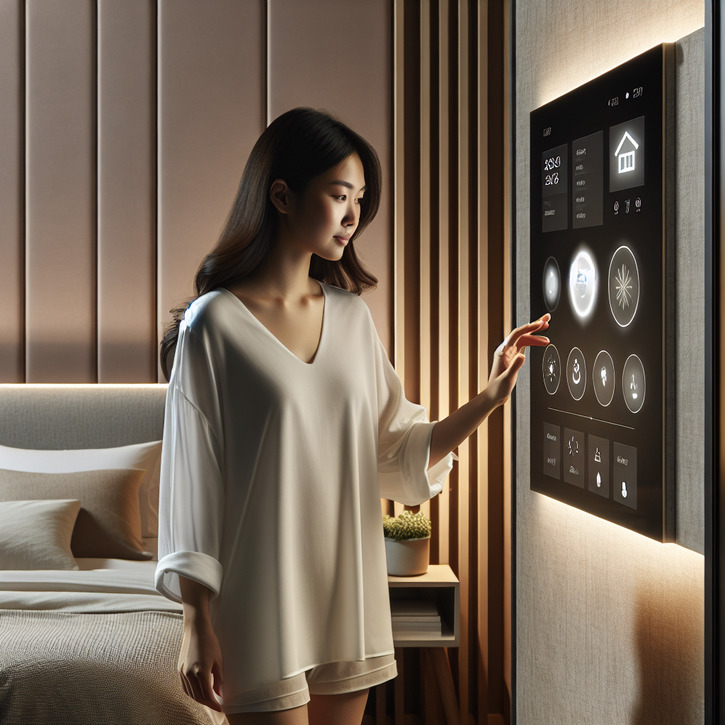
Lately, smart home innovations have been stealing the spotlight when it comes to solving sleep problems. Take smart lighting, for instance—it’s designed to mimic natural light cycles, helping your body figure out when it’s time to wake up or wind down. These systems gradually shift brightness and even color temperature to simulate sunrise and sunset, making the transition between day and night a whole lot gentler. This feature is a lifesaver for anyone whose sleep is thrown off by erratic lighting, such as night-shift workers or city dwellers.
Temperature and Noise Controls in Reducing Sleep Issues
Let’s face it, a perfect sleep environment isn’t just about the right light—it’s also about nailing the temperature and sound levels. Nowadays, smart thermostats can keep your room cool just right during the night, while noise-cancellation features or smart speakers adjust the ambient sounds to block out disruptive noise. These smart solutions work together to create an environment that supports your natural sleep rhythm, making it easier to drift off and stay asleep. It’s all about fine-tuning your space to boost your overall sleep quality.
Mobile Apps and Digital Platforms for Sleep Issues
Top Sleep Apps Designed to Mitigate Sleep Issues
If you’re looking for a digital buddy to help you tackle sleep problems, mobile apps are where it’s at. Today’s top sleep apps offer everything from meditation guides to detailed sleep tracking and personalized insights. Imagine having a smartphone app that monitors your sleep stages, tracks your light exposure, and even gauges the ambient noise—all while giving you easy-to-follow advice. With real-time feedback at your fingertips, making small, effective changes to your routine has never been simpler.
Integration of Monitoring Tools to Understand Sleep Issues
What’s really cool is how different monitoring tools are now working together to give a full picture of your sleep patterns. By combining data from wearables, smart home gadgets, and dedicated sleep apps, you get a comprehensive, easy-to-read snapshot of how you’re sleeping. This integrated approach helps spot recurring issues and track progress over time, making it easier for both you and your doctor to tailor solutions that work just right for you. With technology catching even the tiniest disturbances, managing your sleep health has never been more precise.
Telemedicine and Remote Treatment for Sleep Issues
Virtual Consultations: A New Approach to Managing Sleep Issues
One of the game-changing trends in healthcare today is telemedicine, especially for dealing with sleep issues. Virtual consultations mean you can access sleep specialists without leaving your home, breaking down the barriers that once made quality care hard to reach. These online sessions save time and allow for regular check-ups, where your digital sleep data can be shared instantly with professionals. It’s a refreshing blend of technology and healthcare that’s making personalized sleep solutions more accessible than ever.
How Remote Diagnostics Enhance Treatment for Sleep Issues
Remote diagnostics are totally transforming the way sleep issues are handled. With continuous monitoring of your sleep data, these tools give clinicians an in-depth look at what’s happening while you sleep. This real-time data is a huge help in pinpointing problems—from minor disruptions to more serious issues like sleep apnea. Plus, by cutting down on the need for expensive, in-person studies, remote diagnostics make the whole process more efficient and convenient. It’s the perfect example of how technology is making healthcare faster, smarter, and more accessible.
Future Trends in Technology Solving Sleep Issues
Emerging Gadgets and Innovations for Sleep Issues
Looking ahead, the future of sleep technology is as bright as a well-rested morning. New gadgets—ranging from advanced sensors to integrated brain-monitoring systems—promise to further revolutionize how we manage sleep. Imagine wearable devices that not only track your sleep but also analyze brainwaves and stress levels, offering insights that go deeper than ever before. And on the home front, smart systems are set to become even more responsive, automatically adjusting to your environment in real time. These cutting-edge tools represent the exciting merging of neuroscience, technology, and smart design, paving the way for highly personalized sleep interventions.
Expert Predictions: The Next Frontier in Combating Sleep Issues
Experts in sleep science are buzzing with predictions about the next big things in tackling sleep issues. Many foresee a future where AI-driven platforms create highly customized sleep improvement programs based on your habits, environment, and even genetic makeup. We might even see virtual reality experiences designed to help you relax and ease anxiety through immersive meditation or cognitive behavioral therapy. As digital health continues to intertwine with everyday life, collaborations between tech gurus, scientists, and clinicians are set to bring us innovative, tailor-made solutions that could redefine sleep medicine as we know it.
Conclusion
To wrap things up, the blend of technology and sleep health is truly a game changer for anyone struggling to catch a good night’s rest. With everything from wearable devices that track every detail of your sleep cycle to smart home features that create the perfect sleep environment, there’s never been a better time to address sleep issues head-on. Telemedicine, intuitive apps, and smart integrations are all working together to give you proactive, personalized solutions. In the not-so-distant future, expect even more innovative breakthroughs that continue to make quality sleep feel like an everyday luxury.
Whether you’re just starting to notice sleep troubles or have been dealing with them for a while, these tech advancements offer promising new solutions. With reliable, research-backed strategies right at your fingertips, you can take control of your sleep one smart step at a time. After all, better sleep is the foundation of good health, and nurturing your sleep environment can make a world of difference in your life. Stay informed, embrace these digital tools, and look forward to more tech-enhanced nights of peaceful, restorative sleep.