


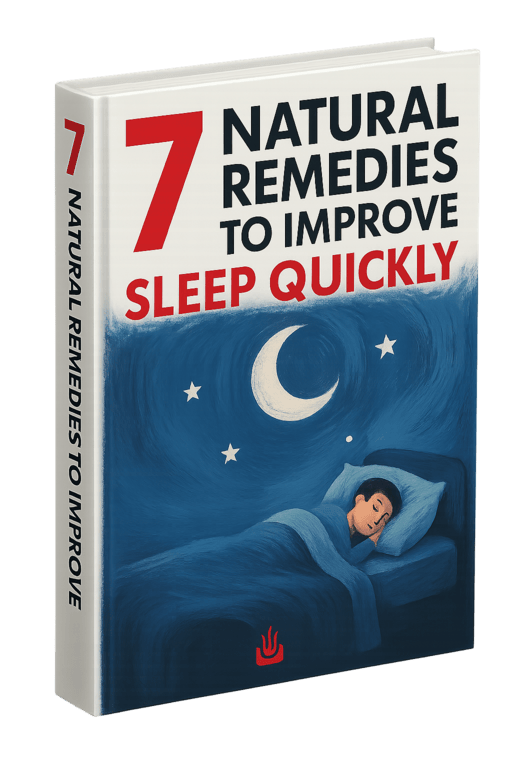
Top Causes of Sleep Issues and How to Fix Them Fast

Understanding Sleep Issues: The Basics
Let's talk about sleep problems – they're not just a minor annoyance but a real game-changer in our day-to-day lives. When we mention sleep issues, we're talking about everything from tossing and turning before bed to waking up several times during the night, and even the dreaded chronic insomnia. It might seem like a rough night's sleep is just a one-off mishap, but when it becomes a regular thing, it can set off a chain reaction affecting your health and overall performance. Today, we're cutting through some common myths and getting to the heart of what sleep troubles really mean, and why sorting them out is key not just for a good night's rest, but also for your long-term wellbeing.
You might have heard people shrugging off sleep problems as no big deal, but experts say catching the early warning signs is vital to sidestepping major health issues down the road. At its core, sleep issues cover things like how good your sleep really is, how long you snooze, and whether your sleep cycles are in sync. There’s a bunch of old wives' tales out there—like thinking you can just "catch up" on sleep over the weekend after a few short nights during the week. When we bust these myths, it becomes clear just how important a good night's sleep is to keeping our minds sharp, moods steady, and our overall quality of life in check.
Environmental Triggers of Sleep Issues
Believe it or not, your environment plays a huge role in either winding you down or keeping you wide awake. Even everyday nuisances like background noise, harsh lighting, or a slight temperature shift can mess with your sleep more than you'd expect. Picture this: a busy street or a flickering light outside your window might be just enough to break your deep sleep, leaving you feeling off the next day. And it doesn't stop there—air quality and the overall vibe of your room matter too. If sleep problems are a recurring theme for you, tweaking your surroundings to cut down on disruptions can really help you get the restorative sleep you deserve.
Temperature and air quality are often underrated players in the sleep game. Cooler temperatures help your body lower its core heat during the night, which encourages a better sleep, while poor indoor air—packed with pollutants—can cause breathing issues that jolt you awake. This is particularly troublesome for those sensitive to allergens. Tackling these triggers might mean soundproofing your room, picking up an air purifier, or simply adjusting your thermostat for a more sleep-friendly setup.
And don’t overlook the impact of light. Even a gentle glow from a gadget or a streak of streetlight through the curtains can tinker with your natural sleep rhythm. To set the stage for a great night’s sleep, you’ll want to control not just noise and temperature but also the lighting in your space. Consider layering on some heavy curtains, trying out an eye mask, or rearranging your bed to dodge those intrusive light sources. A few minor tweaks can make a world of difference when it comes to quelling recurring sleep issues.
Lifestyle Choices Impacting Sleep Issues
Our everyday habits have a big say in how well we sleep. What you eat, how much coffee you drink, and the kind of exercise you get can either fuel sleep issues or help send them packing. Sure, that morning cup of joe can jump-start your day, but drinking it too late in the day might just be calling in unintended night-time wake-ups. It pays to be mindful of your dietary timing and choices—swapping late-night snacks or cutting back on caffeine can really ease those pesky sleep disturbances.
Stress, without a doubt, is another heavyweight in the sleep struggle arena. With today’s non-stop, digitally-connected lifestyle, finding time to unwind is harder than ever, and that constant state of stress can seriously mess with your sleep. It’s like a vicious cycle—anxiety builds up, heaps on both mental and bodily tension, and before you know it, your mind just won’t hit the brakes. Simple mindfulness techniques—think meditation, deep breaths, or even some gentle stretching—can make a noticeable dent in that tension. Gradually weaving these habits into your daily routine could be your ticket to better sleep.
Don’t forget, regular exercise is a major ally in your sleep journey, too. A bit of physical activity not only drops you off into a pool of endorphins but also helps regulate your sleep-wake cycle. Whether it’s a leisurely evening stroll or a few calming stretches before bed, finding that exercise sweet spot can pave the way to a night of deep, restorative sleep. Just keep in mind that a heart-pounding workout right before hitting the sack might just backfire.
Medical and Health-Related Sleep Issues
Sometimes, sleep troubles can be a sign of something deeper going on in the body. Conditions like sleep apnea or restless leg syndrome can outright steal your chance at a peaceful night’s sleep, leaving you drowsy and unfocused during the day. Spotting and diagnosing these issues early on is key. On top of that, certain medications used for various health conditions might also come with sleep-disrupting side effects. If you start noticing your sleep taking a hit after beginning a new treatment, it’s a good idea to chat with your healthcare provider.
Chronic health issues – like heart disease or diabetes – have a complicated dance with sleep. These illnesses can worsen your sleep quality, and in turn, poor sleep can make managing these conditions that much tougher. It’s a reinforcing loop, which is why a multi-faceted approach—tackling both the health condition and the sleep disturbances—is often needed. When both fronts are addressed together, you're setting the stage for a healthier, brighter future.
Medication changes that cause sleep problems aren’t rare either. If your sleep has taken a nosedive after starting a new drug regimen, it might be time to revisit it with your doctor. Sometimes just switching up the medication or adjusting the dosage can bring back your much-needed good nights. Keeping that open line of communication with your healthcare provider is your best bet when navigating these murky waters.
Technology and Modern Sleep Issues
In today’s tech-driven world, screens have become a constant companion—but unfortunately, they’re not exactly the best bedtime buddies. Whether it’s your smartphone, tablet, or laptop, screen time can seriously disrupt your natural sleep cycle by keeping your brain overly alert at bedtime. The digital bombardment can raise stress levels and set the stage for sleep issues to crop up without warning.
One of the main culprits here is blue light, which cleverly tricks your brain into staying awake by mimicking daylight. This is why experts often advise shutting down devices at least an hour before bed. Switching on blue light filters or dimming the screen can ease the tension and let your mind drift into sleep mode more naturally.
It doesn’t help when we’re glued to our devices late into the night. Creating a tech-free wind-down routine—like turning off notifications, diving into a good book, or soaking in some quiet music—can work wonders for your sleep. By intentionally stepping away from digital distractions before bed, you're setting up a calm mental state that's perfectly tuned for a peaceful night’s sleep.
Fast-Acting Home Remedies for Sleep Issues
When those sleep problems hit, sometimes you need a quick fix to get back on track. Simple lifestyle adjustments can work magic in resetting your sleep rhythm. Think about dimming the lights, sticking to a consistent wake-up time, and crafting a calming pre-bed routine that signals to your body, "Hey, it's time to wind down." A steady, predictable nighttime ritual can really help break the cycle of restless nights.
Besides tweaking your environment, natural remedies often provide that extra nudge toward better sleep. Many have turned to herbal teas like chamomile or valerian root for generations because they promote relaxation and help ease sleep issues. Supplements like melatonin or magnesium are also popular, though it’s always wise to check with a pro before diving in. Blending natural remedies with lifestyle changes can offer a well-rounded approach to tackling sleep troubles head-on.
Techniques for immediate relaxation—such as deep breathing, progressive muscle relaxation, or even a bit of mindfulness—can offer rapid relief when sleep issues start to overwhelm you. Focusing on your breath and gently working through the day's stress can be the perfect bridge to an undisturbed night’s rest. Sometimes, it’s these simple techniques that turn a frazzled evening into a night full of sweet dreams.
When to Seek Professional Help for Sleep Issues
Knowing when to tackle sleep issues on your own and when to get some expert help is crucial. If you've tried self-help methods and still find yourself struggling—if your sleep troubles are dashing your mood, concentration, or overall health—it might be time to reach out to a specialist. Persistent fatigue, constant nighttime wake-ups, and a regular battle with falling asleep are all red flags that shouldn't be ignored.
Consulting a sleep specialist can really open the door to understanding the root of your sleep dilemmas and setting up a plan that works just for you. These experts might use sleep studies or personalized consultations to get to the bottom of your issues. Remember, seeking professional advice isn’t a sign of weakness—it’s a proactive step towards reclaiming your nights and energizing your days.
Often, managing sleep issues in the long run is a mix of medical guidance and personal lifestyle changes. It could mean trying out cognitive behavioral therapy for insomnia, scheduling regular check-ins with a sleep specialist, or even tweaking your current medications. By tackling both the health side and the lifestyle adjustments, you’re giving yourself the best shot at overcoming sleep issues once and for all. Investing in your sleep means investing in a brighter, healthier future.